Hackney Walk's Decade of Disappointment: Luxury Dream Becomes Graffiti-Covered Reality
A decade has passed since Hackney Walk promised to transform Hackney Central into a luxury fashion destination, but today the site is largely defined by empty units, boarded-up storefronts, and vibrant graffiti. What was once heralded as East London's answer to Bicester Village now stands as what locals describe as an "abject failure" and a "waste of money."
A Vision Unraveled
The development, which opened in 2016, was funded with £1.5 million in public money allocated to Hackney following the 2011 riots. This investment was intended to revitalize railway arches previously occupied by local businesses like garages and mechanics. Instead, the project has left a legacy of frustration and unrealized potential.
Peter Croker, a 20-year resident of Hackney, expressed a sentiment shared by many: "We knew before it was being built it was never going to work but here we are. It's annoying. It's a waste of money. A big failure." He highlighted the displacement of longstanding businesses that supported families, noting, "They were businesses putting food on the table for their families and they had to get moved out."

Structural Flaws and Community Neglect
The site comprised two tower blocks and a series of shops beneath train line arches. Initially, luxury brands such as Gieves and Hawkes, Zadig and Voltaire, Matches, Present, and Nicole Farhi occupied spaces, with Nike taking one tower block. However, these retailers began closing within a few years, with Nike and Present shutting permanently in 2023.
Residents point to fundamental flaws in the concept. Tatiana, a local who has monitored the project since its announcement, criticized the lack of infrastructure: "There's no parking, only the Overground. There's no restaurants or cafés for people to stay. How do you want people to go shopping and then have nowhere to stay after?" She emphasized that the development ignored community needs, stating, "I wish they asked the community post-riots what we actually wanted. It was never going to work. It wasn't what people wanted."
Current State and Future Uncertainties
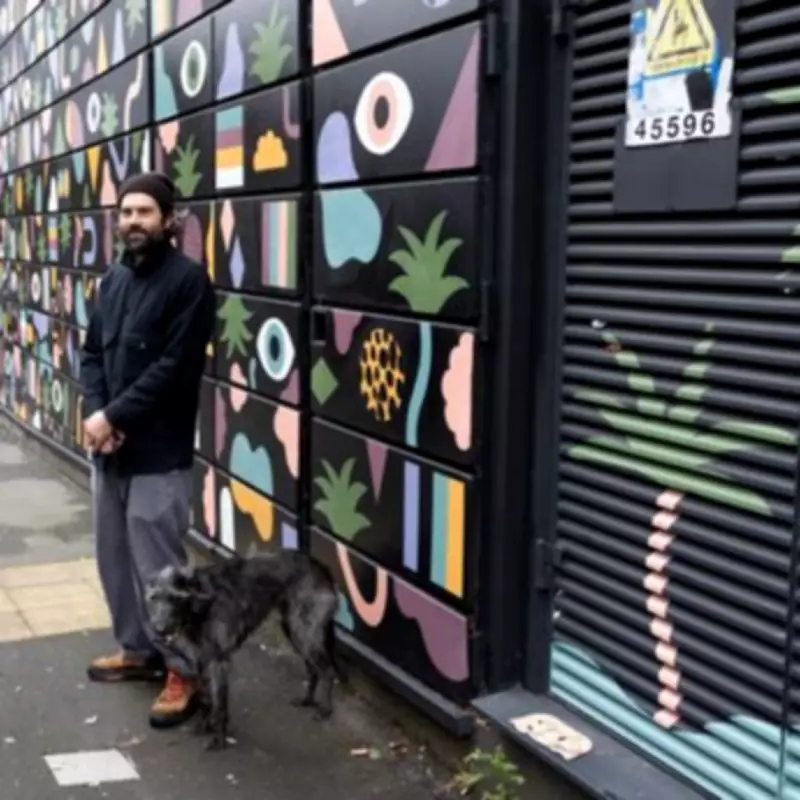
Today, The Arch Company owns the site, having taken over in 2019. While one tower block remains unoccupied from the Hackney Walk era, the other now leases spaces to businesses like barbers, masseuses, and tattoo studios. The once-golden frontages are covered, with graffiti artists leaving their mark on the derelict structures.
Scarlett, who works at a tattoo studio within the building, voiced concerns about affordability and community impact: "Knowing that £1.5m of public money went to a private company to build a string of shops that nobody could afford doesn't seem like good value to money for the community." She added that the project failed to provide hope or opportunities for young people in one of London's poorest boroughs.
Reflections and Hopes for Redemption
Julia Barrett-Mowatt, 50, recalled initial optimism: "I thought it was going to work. The Burberry shop has been there since I was a child so I thought maybe — then I saw the reality." She lamented the missed chance to support sole traders and make the area accessible, concluding, "The legacy of Hackney Walk will be deemed as a waste of money."
Hackney Council, which does not manage the arches, emphasized in 2023 the need for the site to benefit the local community. The Arch Company has announced plans for public realm improvements, including enhanced lighting and urban greening, with completion scheduled for the second half of this year. However, residents remain skeptical, hoping future developments will prioritize community input and practical benefits over unrealistic luxury aspirations.