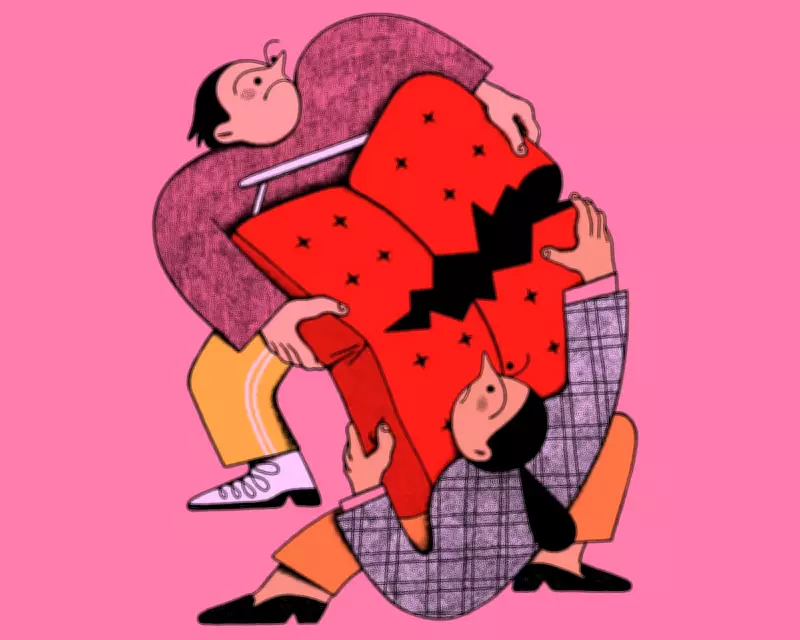
When wandering around Ikea arm-in-arm, most newly cohabiting couples are too excited about their new sofa, or Billy bookcase, or the enormous house plant they are about to wrestle into an Uber, to think too deeply about what might happen to those items were their relationship to sour. But at a time when many young couples cannot afford to buy property or have children, furniture can end up being the only thing to fight over at the end of a relationship. And, as the cost of living rises, having to replace furniture after a breakup can have a huge impact on people's finances.
Personal Stories of Loss
Becca, 35, from Leeds, recalls her 2022 breakup. She had been in a relationship for about a year when her then-girlfriend invited her to move in. Becca left her own flat, which she describes as 'amazing: big garden, really bright and lovely,' to move in with her partner. She reluctantly agreed to get rid of all her furniture because her girlfriend did not want it in her place. Becca suggested storing some items, but her partner reacted angrily, accusing her of not being committed. Becca eventually sold some furniture and left the rest behind.
After moving in, she paid half the cost of furnishing a second bedroom converted into an office. When the couple broke up six months later, Becca did not consider taking any furniture or asking for reimbursement. A year later, she realized she had lost approximately £3,000, including money from unsold furniture. She regrets selling a cabinet her mother gave her as a graduation gift. 'It's replaceable, but it's really expensive. I'm really sad about it because I'd always wanted it,' she says.

Emily, 30, from London, split up with her boyfriend after a year of living together. She brought most of the furniture from her old place; he had none. After the breakup, they had to live together for two months due to their tenancy. Her ex asked to take various items, including a rug from her aunt. Emily agreed, but now feels she should ask for it back out of duty to her aunt. 'Excuse me, can I have my rug back?' she says, dreading the conversation.
Matt, 45, lost items after a breakup two years ago. His ex took the living room table and some vases that were his, but he decided not to fight. 'The new chapter is so much more important,' he says.
Jade, 32, left her shared home in Bedfordshire, taking only a desk. She left behind furniture and appliances she co-owned, including a fridge, washing machine, and a bed she bought before the relationship. She estimates losing close to £5,000. She is particularly sad about a handmade whale-shark candle holder the couple bought together. 'We deliberated over buying that for a while. As I was moving out, I was like: Well, who is going to get the whale shark? But we did not decide,' she says.
Expert Advice
Couples and family therapist Kalanit Ben-Ari says furniture often reflects power dynamics and resistance to letting go. She advises clients: 'If something costs you your peace of mind, it is too expensive. Let go, and put your energy into moving forward.'
James Davies, a family lawyer, notes that the law is not designed for unmarried couples. He recommends employing a trained mediator rather than lawyers, as legal fees can quickly exceed the value of the furniture. He advises couples to enter into a cohabitation agreement before moving in together. 'It is not hugely romantic, but it really is worth its weight in gold in preventing problems in the future,' he says.
Zoe, 29, wishes she had a written agreement with her former housemate. They bought furniture together for €200 each, with a verbal agreement to buy out the other if one moved out. When Zoe left, her housemate calculated depreciation, leading to a frustrating back-and-forth. Zoe eventually relented and they never spoke again.
Jade thinks clearer allocations of ownership would help in future relationships. Despite the losses, she feels free from items associated with her ex. 'Those pieces of furniture feel like part of that chapter of life. And I think it will be nice, even if it is not cost-effective, to have the freedom to do things differently next time,' she says.
Names and some locations have been changed.