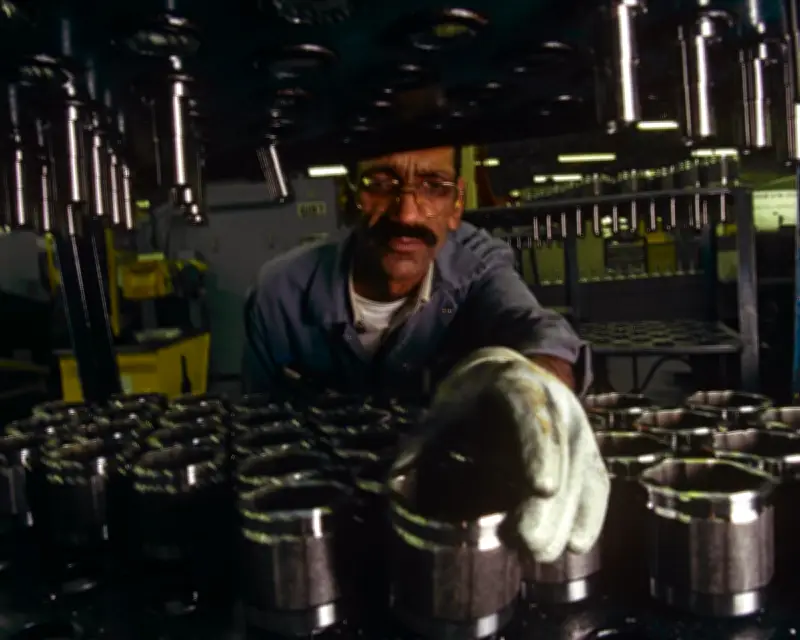
The UK's manufacturing sector is facing a dual threat from Donald Trump's tariff policies and escalating tensions with Iran, according to industry analysts. These geopolitical pressures could significantly undermine the recent growth momentum in British factories, which have been recovering from a prolonged period of stagnation.
Tariff Threats and Trade Uncertainty
Donald Trump's aggressive tariff stance, particularly his threats to impose new duties on UK goods, has created a climate of uncertainty for manufacturers. The former US president has repeatedly signaled his intention to use tariffs as a bargaining chip in trade negotiations, with the UK being a potential target due to its post-Brexit trade relationship with the US.
Industry data shows that the US is the UK's largest single export market, accounting for approximately 15% of all UK goods exports. Any significant tariff imposition could therefore have a disproportionate impact on the manufacturing sector, which employs around 2.7 million people and contributes roughly £200 billion to the UK economy annually.
Iran Tensions Compound the Problem
Simultaneously, the escalating crisis in the Middle East, particularly the heightened military confrontation between the US and Iran, is disrupting global supply chains and driving up energy costs. Oil prices have spiked by over 20% in recent weeks, directly impacting manufacturers who rely heavily on energy-intensive processes.
According to Make UK, the manufacturers' organisation, "The combination of tariff threats and geopolitical instability is creating a perfect storm for UK manufacturers. Many firms are now holding back on investment decisions, which will inevitably slow down the sector's growth trajectory."
Impact on Growth Projections
The Office for National Statistics reported that UK manufacturing output grew by 1.2% in the second quarter of 2026, a positive sign after a weak start to the year. However, economists warn that this growth is fragile and could easily be reversed if the tariff threats materialise or if the Iran situation worsens further.
Analysts at Oxford Economics have revised their growth forecast for UK manufacturing from 2.1% to 1.4% for 2026, citing the external risks. They note that "the sector is highly exposed to trade policy shifts and energy price volatility, both of which are currently elevated."
Sector-Specific Vulnerabilities
The automotive and aerospace industries are particularly vulnerable to US tariffs, as they rely heavily on transatlantic supply chains. UK car manufacturers exported over 200,000 vehicles to the US last year, making it their second-largest market after the EU. A 25% tariff on these imports would make UK cars uncompetitive, potentially costing the sector billions in lost revenue.
Similarly, the chemical and pharmaceutical sectors, which export significant quantities to the US, could face severe disruptions. These industries are also sensitive to energy costs, making them doubly exposed to the current geopolitical tensions.
Government Response and Industry Calls
The UK government has acknowledged the risks but has so far adopted a cautious approach. A spokesperson for the Department for Business and Trade said, "We are closely monitoring the situation and are in ongoing dialogue with US officials to protect UK manufacturing interests. We are also exploring ways to mitigate the impact of energy price increases on our industrial base."
Industry bodies are urging the government to take more proactive measures, including establishing emergency support packages and accelerating trade agreements with other countries to reduce dependence on the US market. Make UK has called for "a comprehensive strategy that addresses both the immediate tariff threats and the longer-term structural challenges facing the sector."
Broader Economic Consequences
The stakes extend beyond manufacturing itself. The sector accounts for about 10% of UK GDP and supports millions of jobs in related services. A slowdown in manufacturing would have ripple effects across the economy, affecting logistics, professional services, and regional employment, particularly in the Midlands and the North of England.
Furthermore, the uncertainty is already impacting business confidence. The latest CBI industrial trends survey showed that only 18% of manufacturers expect output to increase over the next three months, down from 32% in the previous quarter.
Looking Ahead
While the immediate outlook is concerning, some experts argue that the UK's flexible economy and diversified export base provide a buffer. The UK has been expanding trade with non-traditional markets, including the Commonwealth countries and Asia, which could partially offset any losses from the US.
Nevertheless, the next few months will be critical. As one industry insider put it, "Manufacturers are resilient, but they need stability. The current environment is anything but stable, and without decisive action from policymakers, we risk losing the gains made over the past year."
The situation remains fluid, with developments in both Washington and Tehran capable of shifting the landscape rapidly. For now, UK manufacturers are bracing for a bumpy ride, hoping that diplomacy prevails and that the sector can navigate through these treacherous waters.