
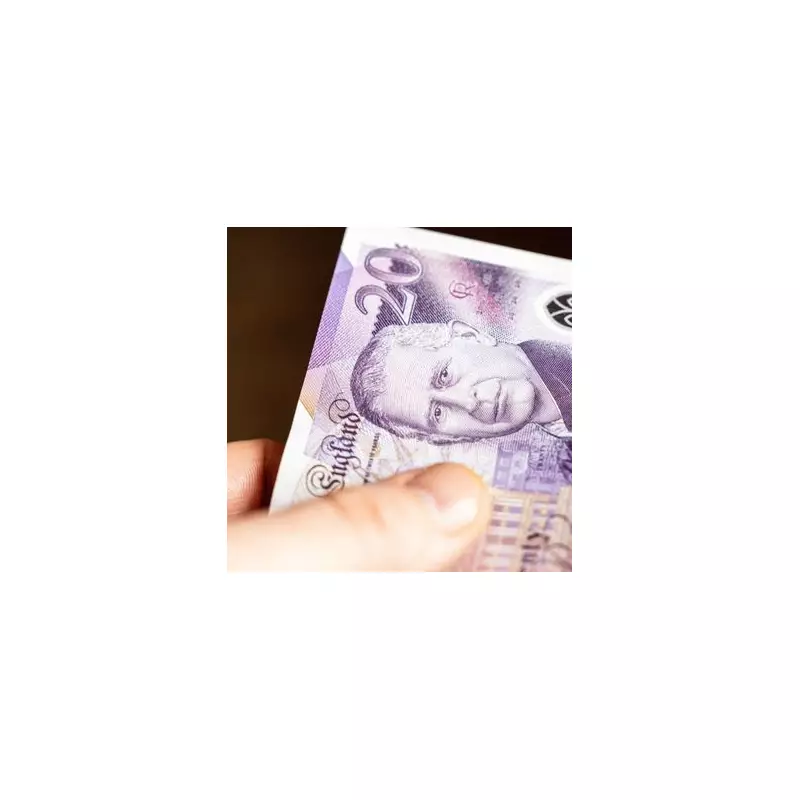
British police forces have issued an urgent public alert following a significant increase in counterfeit £20 notes circulating across the country. Authorities are urging businesses, retailers, and private individuals to exercise heightened vigilance when accepting cash payments.
Surge in Counterfeit Activity
Cheshire Police have reported receiving more than thirty separate incidents involving fake notes since last month alone. The counterfeit currency has been presented at various establishments including supermarkets, bakeries, pubs, and fast-food restaurants. The problem appears to be spreading beyond local boundaries, with similar reports emerging from other regions.
Private Sellers Particularly Vulnerable
Detective Sergeant Jordan Trentini of Cheshire Police highlighted that private sellers dealing with high-value items through online platforms are especially at risk. "Many businesses have verification equipment, but individuals selling on platforms like Facebook Marketplace often lack these resources," he explained. Numerous victims have reportedly handed over expensive items like mobile phones only to discover the payment consisted of worthless counterfeit notes when attempting to deposit the cash.
Major Counterfeit Operation Uncovered
The scale of the counterfeit currency problem was underscored by a recent police operation in Worcestershire. West Mercia Police conducted a raid in Kidderminster that uncovered over £100,000 in forged £20 notes. During the operation, officers also seized equipment and tools specifically designed for manufacturing fake currency. A forty-two-year-old man was arrested on suspicion of supplying counterfeit notes and has been released while investigations continue.
How to Identify Fake Notes
Police have provided comprehensive guidance to help the public distinguish genuine currency from counterfeits:
- Check serial numbers: Ensure each note has a unique serial number
- Tilt the note: Observe colour-change features that shift when viewed from different angles
- Examine microtext: Look for tiny, clear lettering that should be sharp and legible
- Feel for tactile features: Genuine notes have raised print you can feel with your fingers
- Inspect the clear window: Check for intricate details within the transparent section
- Use UV light: Verify hidden security elements that glow under ultraviolet light
Authorities emphasise that genuine notes feature "sharp, well-defined lines and print without blurred edges" and display "clear, distinct colours rather than hazy tones."
National Crime Agency Warning
Neil Harris, Head of the National Counterfeit Currency Unit at the National Crime Agency, issued a stern warning about so-called 'prop notes' sold online. "Bank notes marketed on social media as prop notes are actually counterfeit currency," he stated. "Possessing, selling, or using these notes as payment constitutes a criminal offence."
Harris revealed that counterfeiters often add foil stickers to conceal 'prop notes' labelling, and these stickers themselves are illegal to possess or sell. The NCA is actively collaborating with online platforms and social media companies to remove advertisements for counterfeit currency and identify those responsible for distribution networks.
Protecting Yourself from Currency Fraud
Police advise always comparing suspicious notes against known genuine currency. For private sellers conducting transactions through online marketplaces, authorities recommend meeting in secure locations and verifying payment authenticity before handing over goods. Businesses should ensure staff receive proper training on currency verification procedures and maintain up-to-date detection equipment.
The counterfeit note problem represents a growing concern for both commercial enterprises and individual citizens across the United Kingdom. By familiarising themselves with security features and remaining vigilant during cash transactions, the public can help combat this criminal activity while protecting themselves from financial loss.




