World Cup Pub Hours Extension: Government's Olive Branch to Hospitality Sector
The Labour government has announced a significant policy shift that will allow pubs across England and Wales to extend their opening hours during the upcoming FIFA World Cup knockout games. This move comes as an apparent attempt to ease tensions with a hospitality industry that has been vocal in its criticism of recent government policies affecting their businesses.
Late-Night Football Viewing Permitted
Home Secretary Shabana Mahmood revealed the plans that will permit pubs to remain open until 1am for most knockout games and until 2am for matches with 10pm kick-off times. The policy, developed following a six-week consultation period, grants legislative powers specifically for the duration of the tournament which begins in June.
"With later kick-offs at this year's World Cup, we don't want to blow the final whistle before the winning goal," Mahmood stated, using football terminology to emphasize the government's intention to "give red tape the red card" during the international sporting event.
Background of Industry Tensions
This announcement follows months of strained relations between the government and pub owners, particularly after November Budget changes to business rates resulted in substantial tax increases for thousands of establishments. According to trade body UKHospitality, the average UK pub faced a £1,400 rise in business rates bills.
These increased costs, combined with national insurance hikes, rising employment expenses, and the conclusion of pandemic-era tax relief measures, pushed many pubs toward financial breaking point. The situation escalated when landlord Andy Lennox coordinated a campaign endorsed by hundreds of pub owners to bar Labour MPs from their establishments until the government offered meaningful support to the hospitality industry.
The government responded last month with a £300 million emergency relief package for pub business rates, and the World Cup opening hours extension represents a further concession to the sector.
Industry Reactions: Cautious Optimism
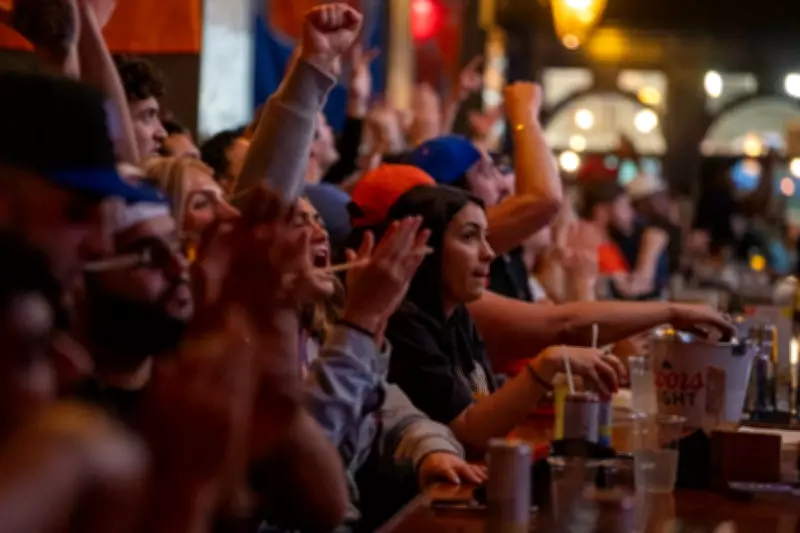
Hospitality trade bodies have generally welcomed the government's initiative, though with varying degrees of enthusiasm. Kate Nicholls, chair of UKHospitality, told Capital Post that extended opening hours will "create a brilliant atmosphere" for supporters of England and Wales during the tournament.
"With the World Cup fast approaching, pubs and fans alike will be delighted to know they'll be able to get behind the home nations and cheer them on from their local this summer," Nicholls said.
The British Beer and Pub Association (BBPA) also expressed support for the measure, with chief executive Emma McClarkin describing it as "crucial" for allowing Britons to fully enjoy the World Cup experience. However, she emphasized that more substantial reforms are needed, including long-term business rates reform and reductions to beer duty and VAT.
Simon Dodd, chief executive at Young's & Co which operates nearly 280 pubs in London and the South East, confirmed that all their establishments would take advantage of the new regulations to show every minute of the tournament. He noted that major sporting events represent "vital trading periods" that drive significant footfall and spending while reinforcing pubs' role as community hubs for live sports.
Potential Economic Impact
According to Dr. Samir Alamad, a senior lecturer in finance at Coventry University, the extended opening hours could generate up to £100 million in additional cashflow for the hospitality and nightlife sector. This stimulus would provide much-needed support for a struggling industry while potentially benefiting related sectors including transportation and food suppliers.
Dr. Alamad suggested that pub owners might use the World Cup as evidence to advocate for more permanent deregulation if the extended hours demonstrate significant financial benefits. However, he acknowledged that some independent pubs may lack the resources to remain open longer and could therefore miss out on the increased customer traffic.
"Some will not be able to cope but the majority will," Dr. Alamad explained. "The measure is aimed at the wider sector, but that doesn't mean every pub will benefit in the same way from this policy relaxation."
Skeptical Voices Remain
Despite the generally positive reception from industry bodies, some pub owners remain unconvinced about the government's intentions. Andy Lennox, who barred Labour MPs from his establishments in December, dismissed the extended hours as "complete spin" that fails to address the sector's fundamental challenges.
Lennox argued that changing consumer habits mean fewer people want to stay out late, stating: "By the time nine o'clock comes, everyone wants to be in bed." He also noted that landlords already have the ability to apply for temporary event notices (TENs) to extend opening hours for special occasions, making the emergency legislation potentially redundant.
"They're not doing anything for us. We've always got that power," Lennox told Capital Post. "People's habits have changed, and if the government actually listened to the industry rather than going off and doing whatever the hell they think we want them to do, they would know that."
Uncertain Implementation
Major pub chains including Wetherspoons and Nicholson's have indicated they have not yet determined which of their establishments will take advantage of the extended hours during the tournament. This uncertainty highlights potential implementation challenges and varying business strategies within the sector.
The Home Office declined to provide additional comment when contacted about the policy announcement and its reception within the hospitality industry.
As the World Cup approaches, the extended pub hours represent both a practical accommodation for football fans and a symbolic gesture toward an industry that has felt increasingly marginalized by government policy. Whether this measure will significantly improve relations between pub owners and the Labour government remains to be seen, but it undoubtedly provides a temporary financial opportunity for establishments capable of capitalizing on the late-night football viewings.