Walking the Mortimer Trail: A Journey Through England's Turbulent Borderlands
In the United Kingdom, there exists a proud tradition of naming long-distance walking paths after infamous historical figures, from opium enthusiasts to royal schemers. The Mortimer Trail, a 30-mile weekend hike dedicated to the Mortimer family and their most notorious member, Sir Roger Mortimer, fits perfectly into this tapestry. Sir Roger, a marcher lord on the Welsh border, allegedly slept with Queen Isabella, likely killed her husband King Edward II, and ruled as a de facto tyrant in the 1320s, amassing wealth and power. This trail, winding through the serene countryside between Ludlow in Shropshire and Kington in Herefordshire, offers a stark contrast to his brutal legacy, yet is rich with reminders of the area's turbulent past.
Starting in Ludlow: A Town Steeped in History
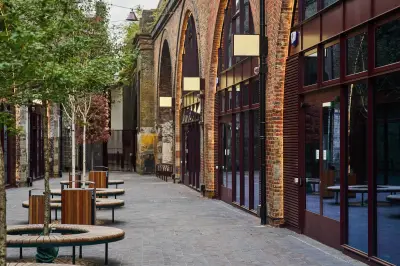
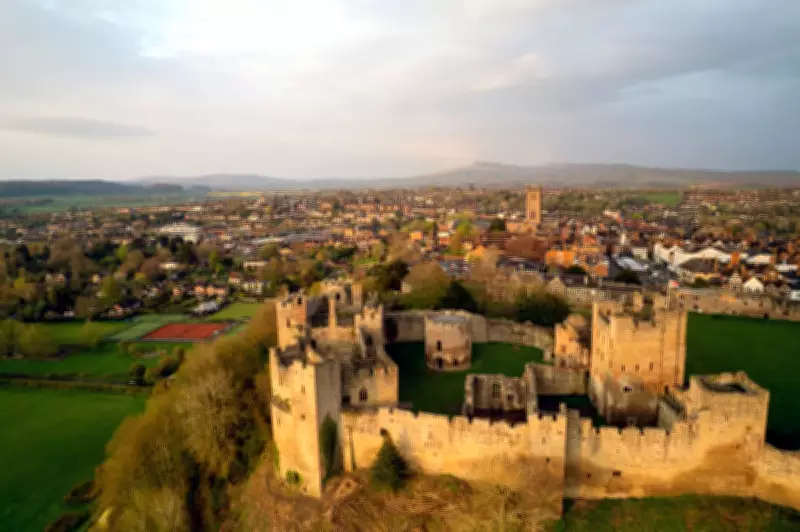
The journey begins at Ludlow Castle, the historic seat of English borderland power. Ludlow is renowned for its culinary traditions, with excellent cafes like CSONS under the castle walls, a vibrant farmer's market, and quaint "parlour pubs" marked only by a lamp outside. Walking down Broad Street, one can admire The Angel, where Horatio Nelson famously waved in 1802, accompanied by his mistress Emma Hamilton and her husband Sir William. The castle itself features a solar wing built for Queen Isabella in 1328, adding to the historical intrigue. From here, the trail crosses Dinham Bridge, climbing into Mortimer Forest, where deer and goshawks roam ancient woodlands.
Accommodation and Ambiance at Salwey Lodge
The first night is spent at Salwey Lodge, owned by Arabella and Hugo, who organize walks and provide a handy guiding app for the trail. They offer shuttle services, making the hike accessible without a car, as Ludlow is on the main railway line between Shrewsbury and Hereford. The lodge immerses visitors in the regicidal atmosphere of Sir Roger, with ancestral oil portraits and a history tied to anti-monarchial plots like the Farnley Wood Plot of 1663. Nearby, Richard's Castle offers a decommissioned 12th-century church to explore. Meals are sourced from the lodge's vegetable garden and local suppliers, enhancing the authentic experience.
Day Two: Exploring Ancient Forts and Borderland Reminders
The second day leads through more woodland to Croft Ambrey, an iron age hill fort abandoned around AD 43, offering stunning views of the Shropshire countryside. Along the path, few people are encountered, but numerous reminders of the militarized borderland era abound. Throughout the middle ages, Welsh resistance to Norman conquerors was met with brutality, with Sir Roger deeply involved until his execution by Edward III. Although the trail does not pass Wigmore Castle, his main residence, it can be seen from Croft Ambrey. The day ends at the Riverside Inn in Aymestrey, known for excellent food that requires restraint to avoid hindering the next day's hike.
Final Day: From River Walks to Offa's Dyke
The third day starts with a riverside ramble along the River Lugg, ascending into quiet woodlands and high heaths. Historical sites like the serene church at Byton, sacked by Welsh nobles including Llywelyn ap Gruffudd and Owain Glyndŵr, highlight the Mortimers' involvement in conflicts. The trail can be shortened to 12 miles at Titley, but continuing offers a meeting with Offa's Dyke, an ancient security wall now a subtle earthwork used by sheep. Reflecting on human folly here, the hike concludes in Kington at the Border Bean cafe, where Arabella provides collection. This trip, supported by Visit Shropshire, includes a four-night package with accommodation, meals, and transfers for £560 per person, with guidebooks available for download or purchase in Ludlow.