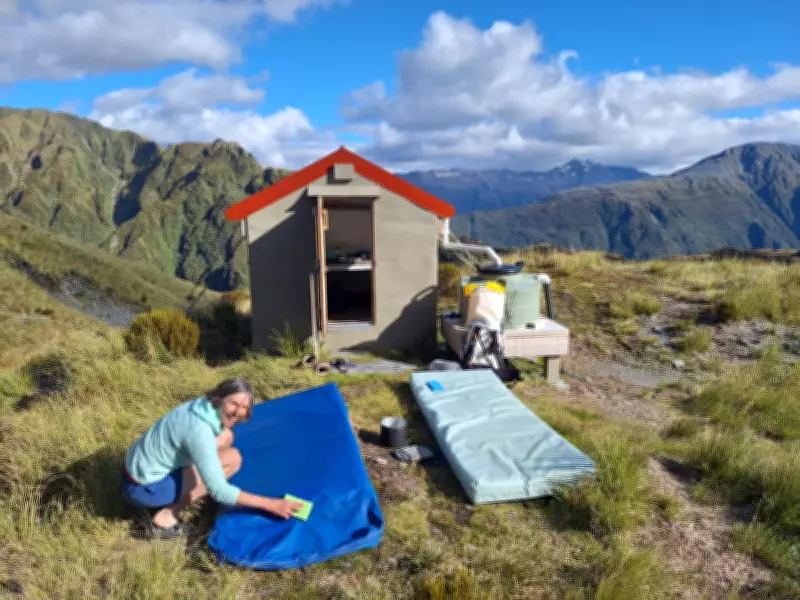
In the rugged wilderness near Hokitika, New Zealand, Sonja Risa diligently scrubs mattresses clean at a basic two-bunk hut. This scene is part of a growing movement where ordinary citizens are taking up the mantle to preserve the country's iconic network of remote hiking shelters.
The Volunteer Effort to Preserve Hiking Heritage
Armed with rubber gloves and cleaning supplies, hundreds of volunteers are trekking through challenging terrain to spruce up remote huts dotted across New Zealand's dramatic landscape. From modest two-person shelters to expansive 54-bunk fortresses, these structures offer weary trampers safe refuge amidst some of the world's most breathtaking scenery.
A Network Too Vast for Government Alone
With more than 950 huts scattered across the country, the publicly owned network presents a maintenance challenge that exceeds government resources. The Department of Conservation manages these structures, many of which date back to the late 1800s when they served gold miners, surveyors, and musterers before becoming essential shelters for modern hikers.
"We could not maintain our network without the enthusiastic New Zealanders giving their energy and labour to keep our special, much-loved huts and tracks safe and maintained," says Eamonn Whitham, the conservation department's acting director of heritage and visitors.
Personal Connections to the Huts
Suzie Bell, who moved from the UK to New Zealand in 2010, recalls her initial amazement at discovering these remote shelters during her tramping adventures. "The fact that there are these epic huts in the middle of nowhere that you can go and stay in for next to nothing, I was just blown away," she explains.
Bell particularly values the community spirit found in these isolated locations, noting: "I love the honesty box payment system in huts, the fact that everyone clears up after themselves and the total strangers that you meet, have dinner, play cards with and chat to."
The Love Our Huts Campaign
This volunteer movement gained formal structure through the "Love our Huts" campaign initiated by the Federated Mountain Club (FMC), New Zealand's outdoor recreation advocacy group. More than 300 people have signed up to participate in the initiative that has seen over 500 huts cleaned this summer alone.
"People really value our huts, they're part of our cultural heritage, and we want them to last for ever," says Liz Wightwick, FMC executive committee member and keen tramper. "This campaign shows people are prepared to care for their huts."
Family Involvement and Environmental Lessons
For many volunteers, the cleaning missions represent more than practical maintenance—they're opportunities for family bonding and environmental education. Psychologist Jo Clark recently embarked on a five-hour hike with her two daughters to clean Clark Hut in Fiordland National Park, carrying rubber gloves, newspaper for window cleaning, and dissolvable cleaning sachets.
Thirteen-year-old Freda Clark describes the experience: "We wiped down mattresses, cleaned windows and pulled out surrounding weeds. The huts don't really get cleaned unless people like us do it."
Teaching Stewardship to the Next Generation
Suzie Bell incorporates the cleaning missions into her family's outdoor adventures, recently spending four hours tramping through rolling tussock hills to reach A-Frame Hut in Hakatere Conservation Park with her young sons Liam and James.
"I'm always trying to teach the kids to leave things better than you find them, and do something nice for the next person," Bell explains. She connects this philosophy to the Māori concept of kaitiakitanga, which emphasizes environmental guardianship and protection for future generations.
Remote Challenges and Personal Rewards
The hut network faces significant challenges due to its sheer size, remoteness, and vulnerability to severe weather conditions. Some huts, like Top Otoroh Bivvy in the Kelly Ranges, require an eight-hour hike to reach and might see visitors only a few times each year.
For volunteers like Bell, these efforts provide meaningful action in a world that often feels overwhelming. "Many horrendous things are going on around the world, and it feels overwhelming. But I'm a big believer in finding stuff you can fix within your circle of control," she reflects. "Like we can take care of the huts in our backyard."
This grassroots movement demonstrates how community action can preserve important cultural assets while fostering environmental responsibility and strengthening family connections through shared purpose in New Zealand's magnificent wilderness.