Trump's Immigration Policies Create Crisis for London's Hospitality Sector
The hospitality industry in London is confronting an unprecedented staffing crisis and significant economic disruption, directly linked to the Trump administration's intensified immigration enforcement measures. These policies, which specifically target foreign workers, have created a climate of fear and uncertainty that is severely impacting businesses across the capital.
Aggressive Enforcement and Its Immediate Consequences
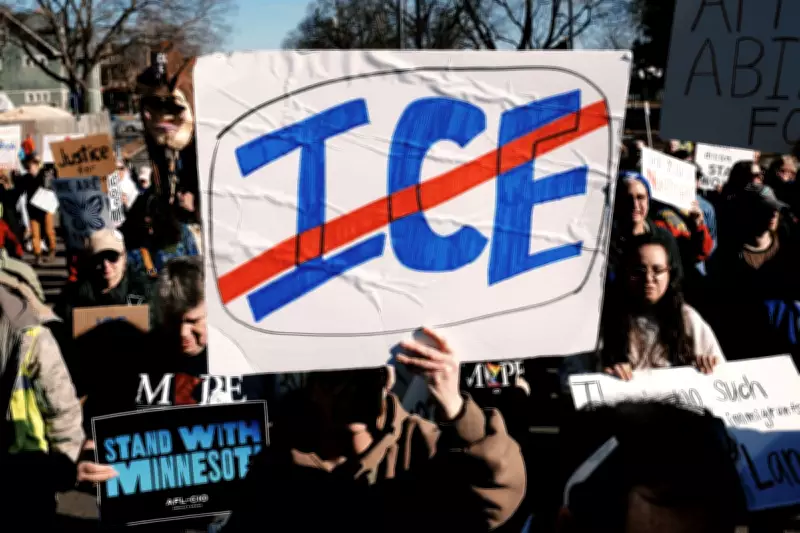
Under the Trump administration, Immigration and Customs Enforcement (ICE) has dramatically increased its operations, leading to widespread apprehension among immigrant communities. This has resulted in a sharp decline in the availability of foreign workers, who traditionally form a substantial portion of the hospitality workforce in London. Restaurants, hotels, and other service-oriented businesses are struggling to fill vacancies, with many reporting staffing shortages of up to 30%.
The economic ramifications are profound. Businesses are facing increased operational costs due to the need for higher wages to attract local talent, reduced service quality, and in some cases, forced closures. The uncertainty surrounding visa renewals and the threat of deportation have made it difficult for employers to plan for the future, further destabilizing the sector.
Broader Economic and Social Impact
Beyond immediate staffing issues, the crackdown is affecting London's economy on multiple levels. The hospitality sector contributes significantly to the city's GDP and employment rates. Disruptions in this industry ripple through related sectors such as tourism, retail, and transportation. Additionally, the social fabric of London, known for its cultural diversity, is being strained as communities feel targeted and marginalized.
Industry leaders are calling for urgent government intervention to mitigate the impact. Proposals include streamlined visa processes for essential workers, increased support for training local employees, and diplomatic efforts to address the policies at an international level. However, with the political landscape remaining volatile, long-term solutions remain elusive.
Looking Ahead: Challenges and Adaptations
As the situation evolves, London's hospitality businesses are being forced to adapt. Many are investing in automation and technology to reduce reliance on human labor, while others are exploring partnerships with educational institutions to develop homegrown talent pipelines. Despite these efforts, the sector faces an uphill battle in maintaining its competitiveness and vibrancy.
The ongoing crisis underscores the interconnectedness of global immigration policies and local economies. For London, a city built on diversity and international appeal, the Trump administration's approach poses not just an economic threat, but a challenge to its very identity. Stakeholders emphasize that without cohesive and supportive measures, the hospitality industry's recovery could be prolonged and painful, with lasting effects on the city's economic landscape.