The Japan Train Mistake That Instantly Shows Locals You're a 'Rookie' Tourist
In Japan, a nation renowned for its politeness and adherence to social rules, tourists often stand out not just by their attire or expressions but through subtle missteps in public transport etiquette. While a bum bag or confused look might be obvious giveaways, a more nuanced error involves luggage handling on the country's famed bullet trains, revealing a deeper cultural disconnect.
Survey Highlights Local Frustrations with Tourist Behavior
A study commissioned by the Japan Private Railway Association, representing 72 rail companies nationwide, surveyed 5,202 people and found that 69% are highly bothered by loud behavior on trains, buses, or subways. This underscores a broader issue of visitors failing to align with local norms of silence and mutual respect in shared spaces.
The Oversized Baggage Policy: A Key Etiquette Point
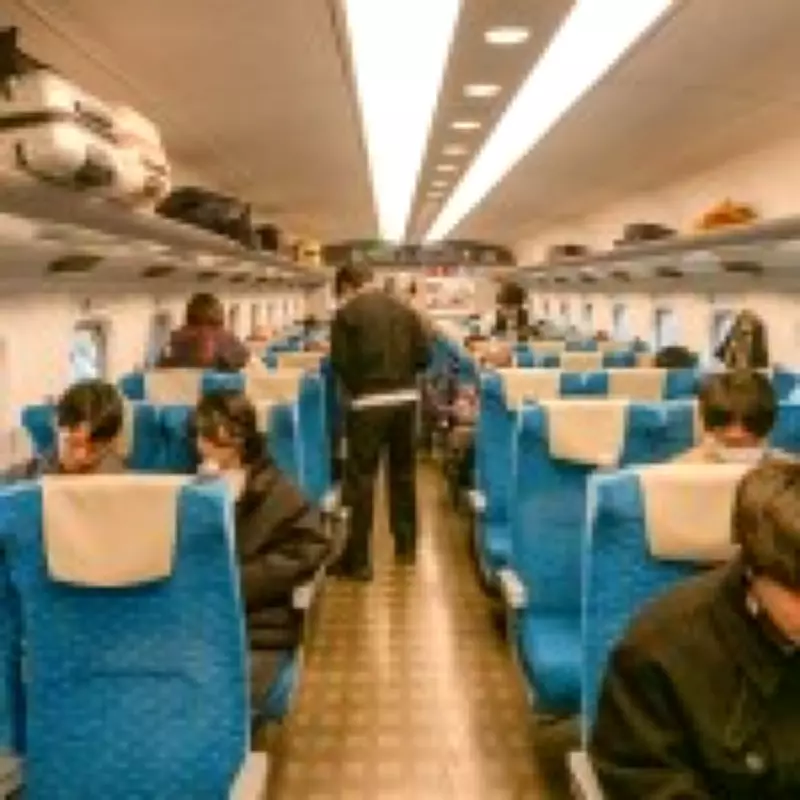
Chieki Ikemoto, a Tokyo tourism expert, emphasizes a specific travel habit that frustrates locals: ignorance of the "reserved seat with oversized baggage area" policy on Shinkansen lines. She advises long-term travelers with substantial luggage to book seats at the back of train cars, where extra space is designated for large bags to keep aisles clear.

This policy primarily applies to bullet train routes, which serve around 432,000 passengers daily and reduce travel time from Tokyo to Osaka to just two hours, compared to 8-10 hours on local trains. However, many tourists, unaware of this option, end up struggling with luggage squished against their legs or blocking aisles, a scenario frequently documented in TikTok videos.
Why This Mishap Matters in Japanese Culture
According to Japanetic, a Japanese etiquette blog by resident Niko Mezuro, public transportation in Japan operates on a culture of silence and harmony, rooted in the concept of not bothering others (meiwaku wo kakenai). The survey reinforces this, with 42% of respondents expressing low tolerance for tourists carrying oversized suitcases, highlighting how such actions disrupt communal harmony.
How the Oversized Baggage Tickets Work
These tickets are designed for luggage with total dimensions between 161 and 250 cm and are priced the same as reserved seats in ordinary cars. However, demand is high, with an average of only five seats available per train. They can be purchased online or at JR station ticket offices, and signage on the floor indicates where ticket holders can place their luggage behind the back row of seats.
To avoid confusion, travelers should check their tickets for the phrase "Your reservation is seats with an oversized baggage area." If reservations are unavailable, alternatives include using baggage racks, footwell spaces, or deck storage areas.
Alternative Solutions for Luggage Management
For those unable to secure oversized baggage tickets, luggage forwarding services like Yamato and Bounce offer affordable options to ship bags between airports, hotels, or other destinations. Social media users have praised these services as "game changers" and "life savers," providing a practical workaround to avoid etiquette pitfalls.
This issue serves as a reminder for tourists to educate themselves on local customs, ensuring a smoother and more respectful travel experience in Japan's meticulously ordered public transport system.