What It’s Really Like to Sleep in an Arctic Snow Hotel
I’m shivering on a bed of ice, with nothing but the chattering of my teeth and the sound of howling huskies for company. The temperature is a brisk -4°C, the zip on my sleeping bag has jammed, and my breath swirls like Marlboro smoke in the frigid air. I am, quite literally, freezing. This isn’t everyone’s idea of a holiday, but it’s exactly what’s on offer at the Snow Hotel Kirkenes, an ice hotel located near a remote town in northernmost Norway, right on the border with Russia and 250 miles north of the Arctic Circle.
A Subzero Getaway for the Brave
I should start by admitting that subzero getaways are not my usual preference. I’ve never been skiing, and I have Raynaud’s, a condition that causes my fingers to swell and turn purple in the cold. I’ll spare you the pictures, but it’s not a flattering look. However, with the rise of ‘coolcations’—the trend of traveling to destinations that offer a reprieve from stifling weather—I was curious to see if a night in the world’s most northerly snow hotel is worth your time and money. It certainly won’t be the most comfortable sleep of your life, but it might well be the most memorable.
Inside the Snow Hotel Kirkenes
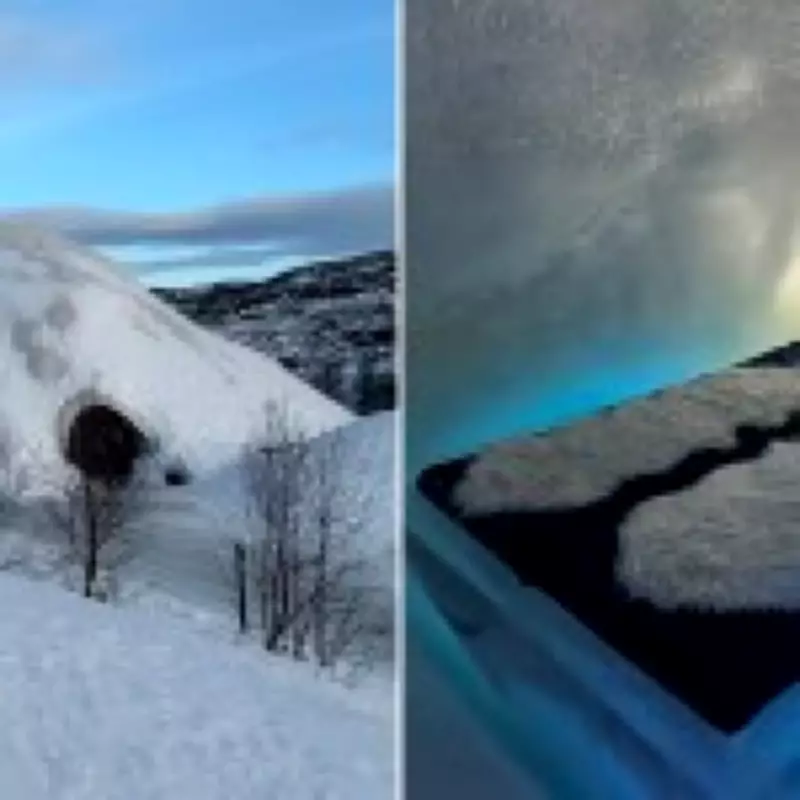
Some 250 miles north of the Arctic Circle, the Snow Hotel Kirkenes (pronounced shir-ken-is) is set in dramatic surroundings beside a fjord. Free from light pollution, it’s an excellent spot for viewing the Northern Lights. It’s also the permanent home to hundreds of huskies, whose affectionate howls greet you upon arrival. There are two ways to stay here: achingly cool cabins that could have been plucked straight from a Scandi noir series, featuring sheepskin rugs, sleek wooden furniture, and floor-to-ceiling windows perfect for aurora watching; and the snow hotel itself, a separate building hidden under a rather rough-looking mound of snow.
The snow hotel has 20 rooms, each separated from the corridor by a curtain—not exactly private, though I can’t imagine anyone feeling the urge to get frisky in such cold conditions. All rooms are individually themed; some feature characters from Frozen, while others boast a gigantic cat. At intervals, the decor is both cool and twee. I had imagined the rooms to be cosy, something like an igloo, but the open corridor and curtain in lieu of a door suggest otherwise. Ice sculptures line the hallway, and temperatures remain at a stable -4°C, allowing you to see your breath as you fall asleep.
The beds are giant blocks of what I assume is chemically treated ice, topped with a thin but surprisingly comfortable mattress and reindeer skin. Unlike other ice hotels, which are rebuilt each winter, this one stays open year-round, welcoming guests long after the Christmas lights are taken down.
Dining and Activities
There are two restaurants on-site, one serving an excellent crème brûlée, and a traditional Sami hut called Gabba, where you can try reindeer and warm lingonberry juice over a crackling fire. During the day, activities include dog-sledding and king crab safaris. By night, the focus shifts to aurora hunting, making for an unforgettable experience.
What Nobody Tells You About Staying in a Snow Hotel
Despite its remote location, the Snow Hotel receives a steady stream of guests, largely due to Kirkenes being the final stop for Hurtigruten cruise ships sailing the Norwegian coastal route. Passengers can add a night at the hotel to their voyage, and many of the hotel guests I spoke to had done just that. To prepare us for a night on the ice, we were given a late afternoon tour of the snow hotel. It felt colder inside than on the fjord, and the discovery that one corridor leads directly outside—again, with no door—raised the group’s collective eyebrow.
At one end of the hotel is a slightly shabby ice bar, where someone had spilled a drink, leaving a crimson trail on the floor. The bar connects to a tunnel that leads to the main building (not made of snow), which houses bathrooms, a large luggage store, and, joy of joys, central heating. This is also where you get kitted out for bedtime: sleeping bags, bedsheets, balaclavas, and knitted boots are provided. Once you cross the threshold ice-side, there are no creature comforts: no wardrobe, not even a bedside table, only frozen blocks to rest your head. Moisturiser and serum should be applied in the luggage room before you bid farewell to your belongings and the feeling in your toes.
The Nighttime Experience
As we changed into nighttime gear, one person literally got cold feet and asked to stay in a cabin instead. I can’t say I wasn’t tempted to bail out, but the rest of us soldiered on. Hauling a heavy sleeping bag down an icy hallway wasn’t the most relaxing way to unwind before bed, and shimmying into a sheet in subzero temperatures was a bit of a struggle. But eventually, I was in, every inch cocooned apart from my nose. Then I realized I’d forgotten to turn off the light. Try as I might, sleep would not come under the clinical glare of the blue lamp. This left me no choice but to untangle myself from my shroud and hop on stocking feet across the ice to turn it off. The boots were too cumbersome to put back on. Shattered with teeth chattering, it took 30 minutes to get comfortable again. In the end, I nuzzled my face under the sleeping bag for warmth and drifted off after wondering why the hell I had agreed to sleep there in the first place.
The Verdict
After the light fiasco, the room was dark and quiet. And, despite the flimsy curtain, I wasn’t disturbed by the snores of my fellow ice dwellers. The bed was surprisingly comfortable, and I slept without waking—though some of our group needed to use the bathroom in the middle of the night, and their dash across the glacial floor sounded less than ideal. Would I do it again? No. Would I recommend you try it once, if you ever have the chance? Absolutely. I’d go back to a snow hotel for the magic that comes with it: husky sledging, snowmobiling, and chasing the Northern Lights. But next time around, I’ll be booking a cabin.
Ice rooms at the Snow Hotel, inclusive of breakfast and dinner, start from £275 per person per night; cabins start from £280 per person per night.