Portugal's Serra da Estrela: A Winter Mountain Escape Beyond the Algarve
Forget the Algarve – Portugal's premier winter getaway lies in the majestic Serra da Estrela mountains. A century ago, this region rivaled Swiss health resorts like St Moritz and Davos. Today, a historic sanatorium has been transformed into a modern hotel, drawing visitors back to these rugged hills for a unique alpine experience.
Navigating the Wild Slopes
Traversing the high slopes of Serra da Estrela in midwinter demands resilience against the elements, but guide João Pedro Sousa makes it seem effortless. Leaning into the wind, he secures his snowshoes into a steep drift, scanning the white ridgeline for mariolas – small ice-fused rock cairns marking the trail. "The landscape changes every day, so you must learn to read it anew," he remarks, highlighting nature's artistry during this season.
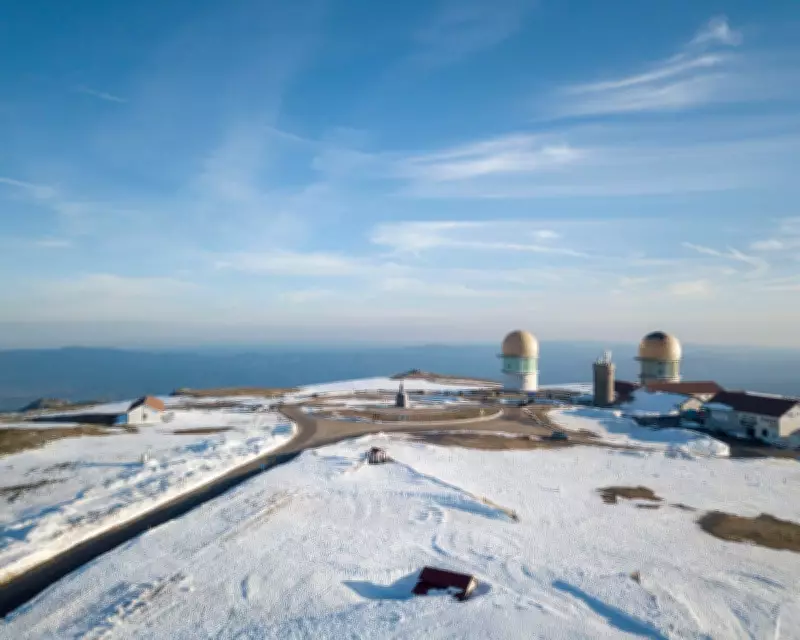
Following him, I struggle with snowshoe frames to avoid sinking into the powder. At a quartzite outcrop tinged with rose and amber, we pause to admire the view. Below, nestled in the glacial Zêzere valley, lies Manteigas, a 12th-century town with terracotta roofs, now the modest tourism hub. Ahead, João Pedro points to Torre, mainland Portugal's highest peak at 1,993 meters, home to a beginner-friendly ski resort. "This region is full of surprises," he smiles.
A Historic Sanatorium Reborn
As head of activities at Casa das Penhas Douradas, a design hotel inspired by Alpine lodges and opened in 2006, João Pedro leads treks across the massif year-round. Over 100 miles of trails wind from the property, following old shepherd paths through pine forests, around lagoons, and across barren passes strewn with granite boulders from the last ice age. This wild area, recognized as a UNESCO Global Geopark in 2020 for its biodiversity and geology, also boasts a rich human history.
The hotel, a renovated century-old sanatorium, features 17 birch-panelled rooms and suites with vast sliding windows to welcome the curative mountain air. A gallery of sepia photographs along the main corridor commemorates the 1881 Lisbon Geographic Society expedition that sought to treat tuberculosis here. "The refined air, pure water, and protein-rich diet worked wonders for patients. For a time, this was Portugal's answer to Swiss health resorts," João Pedro explains over apple cake and carqueja mountain tea.
The surrounding chalets, with steep roofs and sunrooms, echo northern European styles but are built from stone, blending with Lusitanian mountain architecture. During my stay, a snowstorm halted hiking, allowing me to explore the hotel's amenities: an indoor sauna, warm swimming pool, sports massages, and exquisite three-course meals featuring tender Iberian pork. Afternoons were spent with port and mountaineering books in a library adorned with antique skiing gear, while a Nordic-style wooden hot tub offered a starry late-night soak.
Reviving Local Crafts and Community
Beyond enhancing tourism, the hotel's founders have revitalized burel fabric, a medieval water-resistant weave from bordaleira sheep's wool used for shepherds' capes. Owner Isabel Costa recounts falling in love with the material while upholstering the hotel. "Nine mills had closed when this one shut – we had to save it," she says, leading a tour of the Burel Factory, where antique looms now produce vibrant modern designs for wall art, furniture, and fashion.
Rehiring experienced artisans has trained a new generation, preserving a delicate craft. Seamstress Marta Neves notes, "Generations of Manteigas women have worked here. With bespoke commissions, every day is different." This success spurred Isabel to open Casa de São Lourenço, the town's first five-star hotel in 2018, with a third property underway. Job opportunities have encouraged youth to stay, even reopening the local school, and burel shops now grace Lisbon and Porto's upmarket streets.
Exploring Manteigas and Its Charms
Staying in Manteigas, I checked into Casa das Obras, a historic mansion from the late 18th to early 19th centuries, now a guesthouse. Oil paintings of ancestors line the stone staircase, with a tapestried billiards room and antique-filled breakfast room showcasing original ceiling art. Though bedrooms are modest, a camellia-filled garden and central location add appeal.
The town itself is quaint, with a lane offering knitted socks, wool slippers, and the syrupy pastel de feijoca sweet treat, plus delis selling creamy Serra de Estrela cheese. Its cobbled streets and snow-dusted churches, framed by dramatic valleys and forested peaks, create a storybook setting. In summer, activities like biking and paragliding abound, but winter invites visitors to slow down, breathe crisp air, savor hearty cuisine, and hike scenic trails when weather permits.
Travel Details: The trip was supported by Casa das Penhas Douradas, with rooms from €189 B&B, including guided hikes and a Burel Factory tour. Casa das Obras offers rooms from €55 B&B. Manteigas is accessible via taxi or twice-daily bus from Belmonte, which has direct trains from Lisbon taking 3 hours 50 minutes.