
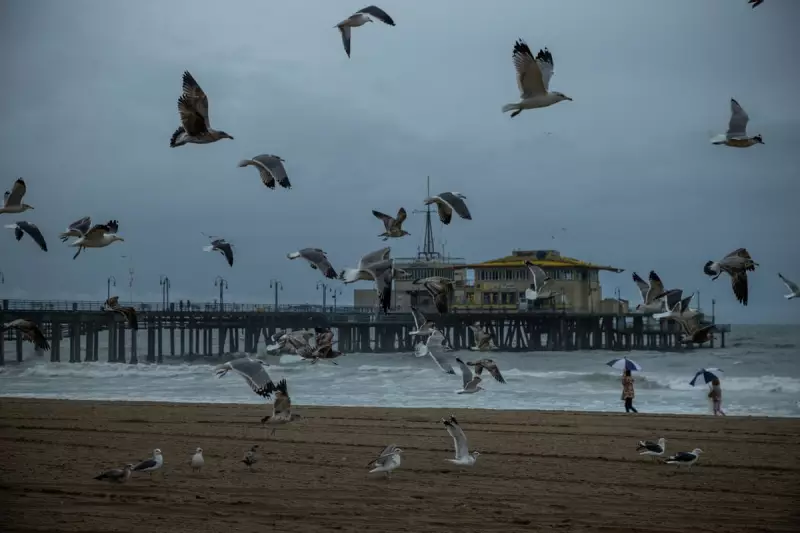
Santa Monica, the iconic Californian beach city celebrated for its golden sands, palm-fringed pier and Hollywood glamour, finds itself at a critical crossroads. Despite its enviable location and cultural heritage, the city confronts a perfect storm of economic challenges, safety concerns and governance issues that threaten its very identity.
The Unravelling of a Coastal Paradise
Recent years have witnessed a dramatic decline in Santa Monica's fortunes. The city currently grapples with a 16% increase in public order offences and an alarming number of vacant commercial properties. Tourist numbers have halved from previous levels, while the municipal budget has deteriorated so severely that council members declared a state of financial distress.
Oliver Chi, Santa Monica's city manager, acknowledges the severity of the situation. In a remarkably candid assessment, he stated that the city has lost much of the focus, capacity and confidence that once defined it. The perception growing among residents and visitors alike is that Santa Monica's best days may belong to the past.
The Third Street Promenade, once thronged with shoppers and entertainment seekers, now sees significantly reduced footfall. Santa Monica Place, an adjacent outdoor shopping centre, has lost two major department stores and a multiplex cinema. Numerous beloved restaurants have permanently closed their doors, with few new businesses willing to occupy the empty spaces.
Root Causes of the Decline
Several interconnected factors have contributed to Santa Monica's current predicament. The collapse of traditional retail and office cultures following the COVID-19 pandemic hit the city particularly hard. Office vacancy rates now stand at 35%, while one in six storefronts remain empty along the city's prime commercial corridors.
Business owners point to multiple challenges, including restrictive planning permissions, slow permit issuance compared to neighbouring Los Angeles, and regulations governing seemingly straightforward matters like sidewalk seating. Josh Loeb, whose Rustic Canyon restaurant group has closed three of its eight Santa Monica establishments in the past year, described regular break-ins and disturbing incidents involving unstable individuals confronting customers.
The homelessness crisis affecting Los Angeles County has significantly impacted Santa Monica. Officials report that an explosion in methamphetamine and fentanyl use has made many unhoused individuals unusually volatile, leading to increased calls to law enforcement and growing safety concerns among residents and business operators.
A Bold Plan for Recovery
City Manager Oliver Chi has introduced what he terms a realignment plan – a comprehensive strategy aiming to balance the city budget and revitalise Santa Monica's business and cultural sectors over the next thirty months. The proposal includes increased police patrols in downtown areas, more prosecutions for minor offences, enhanced streetscape improvements with additional trees and public art, and the reopening of library facilities that have remained closed for years.
The plan also addresses bureaucratic hurdles by promising faster permitting processes and reduced regulations surrounding outdoor dining. Among the more controversial revenue-generating suggestions are the installation of large digital advertising billboards and the introduction of New Orleans-style rules allowing people to consume alcoholic beverages on designated streets.
Gleam Davis, a former mayor of Santa Monica, has praised the initiative as an attempt to be bold, suggesting that such ambitious thinking is precisely what the current situation demands. However, the business community remains cautiously optimistic, noting that previous well-intentioned plans have foundered on the rocks of bureaucratic complexity and competing interests.
As Santa Monica confronts its most significant challenge in decades, the success or failure of this revival plan will determine whether this iconic beach city can reclaim its status as one of Southern California's premier destinations, or whether its golden age has indeed passed into history.




