
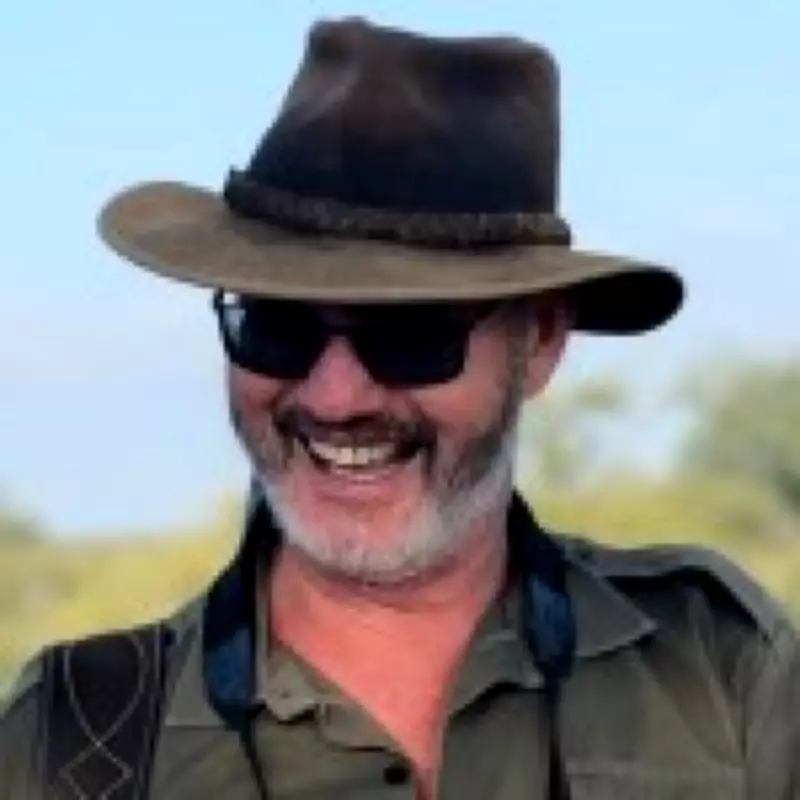
Tragic Elephant Attack Claims Life of Safari Reserve Co-Owner
Gary Freeman, the 65-year-old co-owner of Klaserie Private Nature Reserve in South Africa, was tragically killed by a charging elephant while leading a guided walking tour on April 9, 2026. The experienced guide, who had dedicated nearly four decades to environmental education, was conducting the wilderness excursion with four tourists when the fatal incident occurred in the northeastern region of the country.
Fatal Encounter During Wilderness Walk
According to police reports and witness accounts, Freeman and his group had alighted from their vehicle to explore the reserve on foot when a female elephant suddenly emerged and charged directly at him. In a desperate attempt to deter the massive animal, which can weigh up to 3 tons and stand approximately 8 feet 6 inches tall, Freeman drew his firearm but deliberately refrained from firing shots. This decision aligned with his previously stated philosophy that he would rather die in an elephant attack than harm one of the majestic creatures.
The tourists, driver, and tracker immediately assisted the severely injured guide into their vehicle after the attack and summoned emergency medical personnel. Despite their swift response, Freeman succumbed to what authorities described as "dreadful injuries" before medical help could effectively intervene. Brigadier Hlulani Mashaba, spokesperson for Limpopo Police, confirmed that investigation revealed no evidence suggesting the firearm had been discharged during the incident.
Legacy of a Conservation Advocate
Freeman had been actively involved in environmental education since 1987 and founded Gary Freeman Safaris in 1993. His company specialized in immersive walking tours designed to expose participants to all aspects of the game reserve environment, from large wildlife to smaller, often overlooked species. The reserve's official tribute highlighted his profound impact, stating: "His presence, kindness, and contribution to this landscape will be deeply missed by all who knew him."
Colleagues and friends flooded social media with remembrances, describing Freeman as a "true gentleman" whose passion for wildlife conservation was evident in every aspect of his work. The tribute from Klaserie reserve extended heartfelt condolences to his wife Hanneke, family, friends, and colleagues while requesting privacy during this difficult period. The statement emphasized the reserve's community strength, noting how such tragedies underscore the importance of mutual support, care, and compassion.
Broader Implications for Wildlife Tourism
This tragic incident raises important questions about safety protocols in wildlife tourism, particularly concerning walking safaris in areas populated by large, potentially dangerous animals. While such experiences offer unparalleled immersion in natural environments, they inherently carry risks that even experienced guides like Freeman cannot completely eliminate. The attack serves as a sobering reminder of the unpredictable nature of wildlife encounters, even in professionally managed reserves.
Freeman's death represents not only a personal tragedy but also a significant loss to South Africa's conservation community. His nearly forty-year commitment to environmental education and ethical wildlife tourism leaves behind a legacy that will continue to influence how people interact with and appreciate natural ecosystems. As the investigation concludes, the focus remains on honoring his memory while ensuring that future wilderness experiences balance educational value with appropriate safety measures.




