
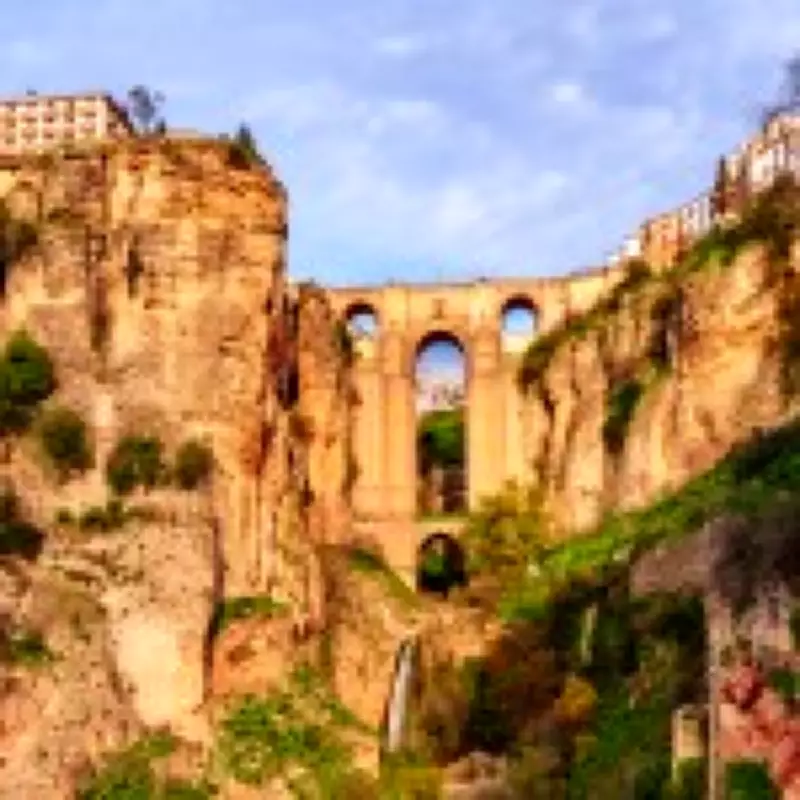
Ronda, often called the 'City of Dreams,' is a Spanish destination that has managed to avoid the pitfalls of mass tourism. Perched dramatically on a gorge about 100 kilometers from Malaga, this ancient city is one of the oldest in Spain and offers a unique blend of history, culture, and natural beauty. According to a recent survey by Airbnb and Duolingo, 66% of Gen Z travelers prefer lesser-known destinations, and Ronda is emerging as a top trending rural spot in Europe.
Why Ronda Stands Out
Unlike the overcrowded coastal resorts of the Costa del Sol, Ronda retains its authentic 'Old Spain' charm. You won’t find big chain hotels or high-rise buildings here. Instead, the city boasts chalk-white streets, sleepy squares, and the sound of flamenco guitars. Its cultural significance is immense, with a history stretching back to Neolithic times and a romantic allure that has attracted poets like Ernest Hemingway and Orson Welles.
Exploring the Puente Nuevo
The Puente Nuevo is Ronda’s crown jewel, a stunning 18th-century bridge that spans the El Tajo gorge. It connects the old and new parts of the city and offers breathtaking views. For the best perspective, climb the 200 steps down to the Guadalevín River or view it from the Balcón del Tajo viewpoint. After snapping photos, enjoy a jug of sangria at a nearby café.
Tapas and Local Cuisine
Ronda’s culinary scene is a highlight. Influenced by Celtic, Roman, and Moorish history, local dishes include oxtail stew, black pudding tostadas, fried aubergine with honey, and gazpacho. Head to the small restaurants under the arches of the Balcón del Tajo for authentic tapas. For upscale options, try Pura Cepa wine bar with its terrace for sundowners, or La Tragata for marinated fish and orange cold soup. Don’t miss a bocadillo with local Iberian ham from street cafes.
Practical Tips for Visitors
Ronda is best explored on foot. Start at the top of the old town and wander through its maze-like alleys. Consider buying a 'bono turistico' for €12, which grants access to the Puente Nuevo museum and the 13th-century Arabic Baths. The bullring, one of Spain’s oldest, offers insight into the controversial tradition of bullfighting (entry €9).
Best Time to Visit
The ideal times are shoulder seasons: April to June and September to October, when weather is pleasant and crowds are thin. Even in June, Ronda remains relatively quiet.
Getting There and Beyond
Ronda is accessible by train from Malaga or Granada, avoiding winding roads. It’s also well-connected to Seville, Marbella, and other Andalusian cities, making it perfect for a twin-city trip. For a longer stay, consider combining Ronda with a visit to Estepona or Nerja.
With its dramatic setting, rich history, and unspoiled atmosphere, Ronda offers a dream escape for travelers seeking an authentic Spanish experience without the crowds.




