Restaurateur Jeremy King Declares War on 'Influenza-Like Outbreak' of Influencers in London Dining Scene
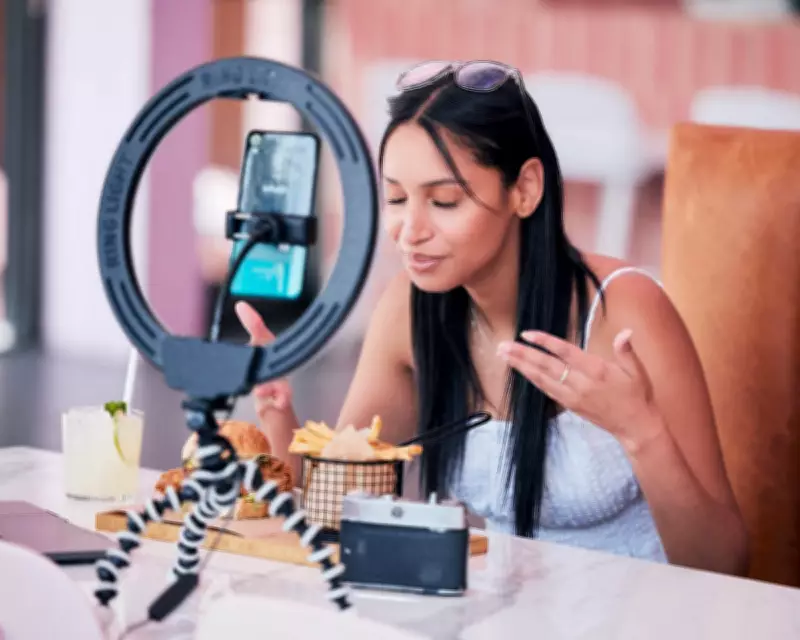
Legendary London restaurateur Jeremy King has sounded the alarm about what he describes as an "influenza-like outbreak" of social media influencers infiltrating his establishments. The hospitality veteran, known for iconic venues like The Wolseley and The Delaunay, has reported increasingly disruptive behavior from content creators seeking the perfect Instagram shot.
Toilet Takeovers and Suitcase Styling Sessions
King detailed the extreme measures influencers are taking at his restaurant The Park in Bayswater, west London. "They're arriving with suitcases full of outfit changes," King revealed in The Standard. The beautiful toilets at The Park have become particularly problematic, with groups of women reportedly bringing their own sound systems and occupying facilities for extended periods, blocking access for other diners.
"It's reached a point where we've had to put up signs," King explained, though he acknowledged this might prove insufficient against determined influencers. The restaurateur's frustration highlights a growing tension between traditional dining experiences and the demands of social media content creation.
Instagrammable Food Versus Traditional Excellence
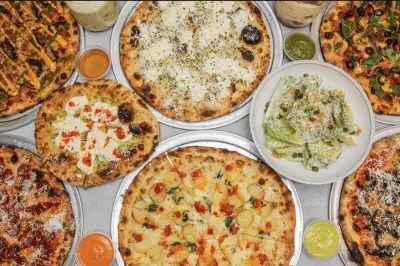
The phenomenon extends beyond bathroom disruptions to fundamental changes in restaurant economics. King's concerns echo broader industry trends where establishments producing "food porn" - visually spectacular, photogenic dishes - attract influencer attention, while those focusing on traditional culinary excellence struggle for visibility.
The term "food porn" entered common parlance around the 1980s, with Rosalind Coward using it in her 1984 book "Female Desire." Today, this concept has evolved into a powerful economic force reshaping restaurant priorities and customer demographics.
Poilâne's Plight: A Case Study in Changing Tastes
The legendary French bakery Poilâne provides a sobering example of these market shifts. The institution recently entered receivership after posting more than €2 million in losses in 2024. While director Apollonia Poilâne cited multiple factors including rising flour prices, increased labor costs, and changing French bread consumption habits, she also acknowledged competition from Instagram-friendly bakeries.
"We can't compete with jazzy new bakeries that have more social media pull," Poilâne noted. Establishments like the popular chain The French Bastards offer the wider variety of artisanal loaves and pastries that Generation Z consumers supposedly crave and document online.
Poilâne, famous for its distinctive round sourdough loaves, represents traditional baking excellence that struggles against competitors optimized for social media aesthetics. "We're reworking all the basics to enable Poilâne to bounce back," Poilâne stated, emphasizing that "there are very few bakeries like us, known throughout the world."
Industry Adaptation and Resistance
The hospitality industry faces divergent strategies for addressing the influencer phenomenon. Some establishments actively court social media attention by investing in Instagrammable backdrops, visually striking dishes, and yes - even particularly photogenic toilets.
For restaurateurs like Jeremy King, however, the solution appears more confrontational. His establishments' very excellence - including those beautiful toilets - has become part of the problem. King suggested drastic measures might be necessary, joking about "busting a few pipes" or creating less appealing restroom conditions to deter influencer occupation.
As the industry grapples with these changes, fundamental questions emerge about whether restaurants should prioritize culinary excellence or social media appeal, and how traditional establishments can survive in an increasingly visual digital landscape.
The situation remains fluid, with Poilâne's Paris and London locations continuing operations while restructuring occurs. Meanwhile, restaurateurs across London watch Jeremy King's battle against the "influenza-like outbreak" as a potential bellwether for broader industry trends.