Escape the Summer Crowds: Greece's Hidden Island Gems for 2026
Sunbeds packed tightly together, identical souvenirs lining every shop, and staggering prices for food, drinks, and accommodation. These are common complaints from travelers who avoid Greece's most popular islands during the peak summer months when tourists arrive by the thousands. Greece's tourist hotspots are currently grappling with the severe impacts of overtourism, leading to new measures like the tax introduced in Santorini and Mykonos in July 2025.
The Overtourism Challenge
To counteract the overwhelming influx of cruise ship passengers, Santorini and Mykonos implemented a fee system that took effect on July 1, 2025. From now on, any visitor arriving at these islands via cruise ship between June 1 and September 30 must pay €20. This rate decreases to €12 in October and drops further to just €4 from November 1 to March 31. While intended to manage crowds, it represents an additional cost that many travelers would prefer to avoid.
Skopelos: A Cinematic Paradise
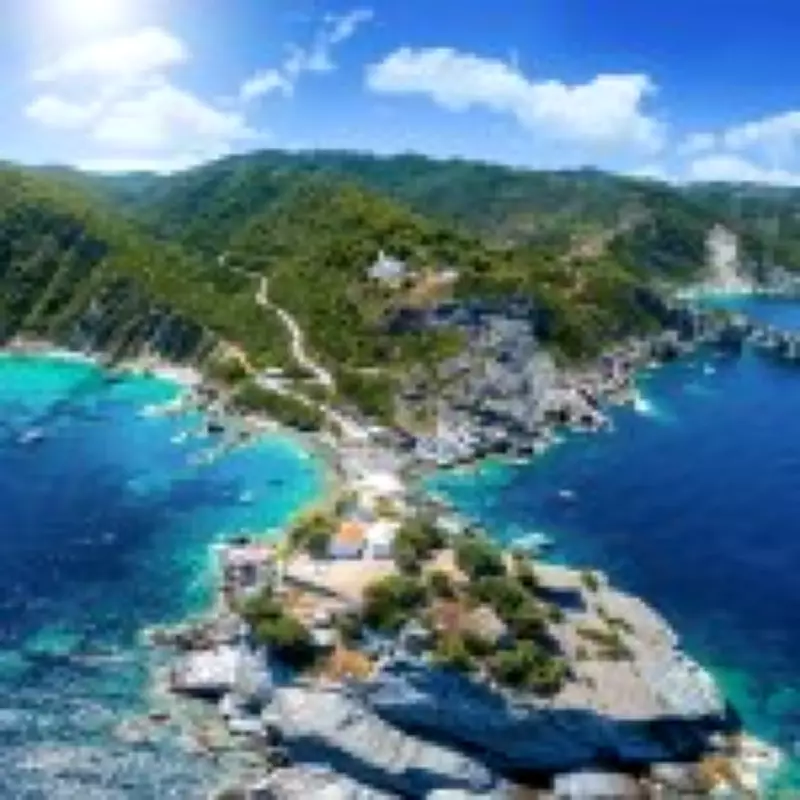
Famous as the filming location for the beloved musical rom-com Mamma Mia!, Skopelos has managed to retain its authentic charm despite its Hollywood fame. Its relative isolation—requiring a ferry ride to access—helps preserve its pristine shores, making it a true slice of Greek paradise. Visitors are rewarded with stunning white pebble beaches, turquoise waters, and lush pine forests. Fans of the film can explore iconic spots like the Chapel of Agios Ioannis, where Donna and Sam married, offering panoramic views from its perch on a sea rock.
How to get there: The fastest route is to fly directly to Skiathos Airport, served by Jet2 and easyJet. From there, a seven-minute taxi ride to Skiathos Port connects you to a ferry to Skopelos.
Lefkada: The Caribbean of Europe
Dubbed the 'Caribbean of Europe' for its breathtaking beaches like Porto Katsiki and Milos—often featured in Lonely Planet's top 10—Lefkada is arguably Greece's most underrated island. It is the only Greek island accessible by car, making it ideal for those seeking to dodge crowds. While popular with German and Scandinavian tourists, it has remained off the radar for many British travelers. However, this is set to change with the launch of a new direct flight from Manchester Airport to nearby Preveza starting June 24, 2026. This route will operate twice weekly on Wednesdays and Sundays, providing easier access to the Ionian Sea and islands like Lefkada and Paxos.
How to get there: Preveza airport is served daily by budget airlines Ryanair and easyJet from April to October. In winter, the best option is to fly to Athens and take a €40 bus to the island, a journey of four to five hours.
Paxos: Tranquility and Natural Beauty
Part of the stunning Ionian Islands, tiny Paxos is a hidden gem accessible only by boat. It features breathtaking cliffs, secluded beaches, olive groves, vineyards, and unique hot springs. With just three main villages, Paxos epitomizes tranquility, yet offers plenty of traditional tavernas and restaurants, some hosting traditional Greek dancing. Metro's Gergana Krasteva, who visited in 2023, praised its captivating Blue Caves and rugged charm, noting that it's often overlooked in favor of more famous islands like Santorini and Mykonos.
How to get there: The closest airport is on Corfu, served by Ryanair, easyJet, and Jet2. From there, a 15-minute taxi to the ferry terminal followed by a one-hour and 20-minute ferry ride costing €39 one way will get you to Paxos.
Naxos: History and Authenticity
As the largest and greenest of the Cyclades Islands, Naxos offers a refreshing alternative to overcrowded Mykonos. Adorned with white cubic homes, ancient ruins, and historical landmarks, it's a must-visit for history enthusiasts. The Portara, or Temple of Apollo, is a top attraction—an enormous marble gate whose construction began in the 6th century BC and remains standing on the islet of Palatia over 2,000 years later. Metro's Martina Andretta described Naxos as having a 'matter of fact' feel, less staged than Santorini, and highlighted its unique citron fruit used in local liqueurs.
How to get there: The quickest route from the UK is to fly to Athens and then take a connecting flight to Naxos Airport with Greek airline SKY Express, offering returns from £44.
Ikaria: A Blue Zone of Longevity
Named after Icarus, who famously fell into the sea, Ikaria is one of only five designated 'Blue Zones' worldwide, known for its healthy, long-living populations—with one in three residents reaching their 90s. Popular with campers, it's an ideal destination for connecting with nature and embracing a slow pace of life. Visitors can relax on Seychelles Beach, with its marble pebbles and crystal-clear water, or explore hot springs for therma tourism. The island is also famed for its red wine, with family-owned wineries like Tsantiris and Afianes Wines offering tastings.
How to get there: There are no direct flights from the UK, but travelers can take a connecting flight from Athens for as little as £50, with Sky Express operating daily flights.
Sifnos: Gastronomy and Pottery
Sifnos is renowned for its culinary delights and pottery traditions. Visitors can participate in pottery workshops, purchase handcrafted ceramics, and sample Greek delicacies such as revithada (chickpea stew), mastello (slow-cooked goat), and loukoumia (Turkish delight). The annual Cycladic Gastronomy Festival in Artemonas is a highlight for foodies. Crowned by the striking white Chrysopigi Monastery perched on a rocky peninsula, and home to hidden, protected beaches, Sifnos deserves a top spot on any travel list.
How to get there: Sifnos lacks an airport, but ferries from Athens' Piraeus port run daily during high season. The journey takes 2.5 to 5.5 hours, with tickets costing €43.50 to €68.70.
Planning your 2026 escape to these lesser-known Greek islands promises an authentic experience free from the crowds and costs associated with overtourism. Embrace sun, sea, and ancient history in these hidden paradises.