February's Persistent Rainfall Dampens UK Hospitality Sector Performance
The United Kingdom's hospitality industry faced challenging conditions during February 2026, as unusually wet weather patterns significantly impacted consumer footfall and sales performance across restaurants, bars, and pubs. According to the latest data from NIQ's comprehensive hospitality business tracker, total like-for-like sales experienced a 0.2 per cent decline compared to February 2025, extending a difficult start to the year following January's 0.1 per cent year-on-year decrease.
Weather Impacts Create Divergent Performance Across Hospitality Segments
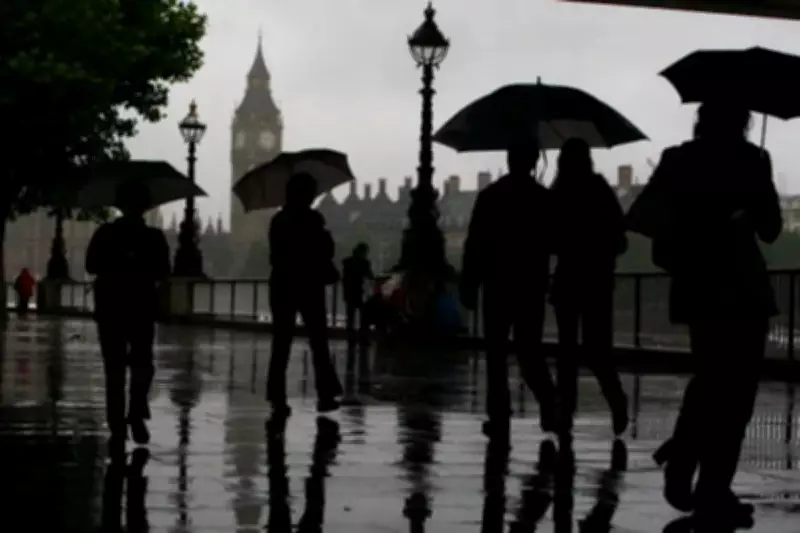
England experienced particularly challenging weather conditions during February, with rainfall levels reaching 42 per cent above seasonal averages. This persistent precipitation created significantly different outcomes across hospitality segments. While pubs demonstrated resilience with a one per cent increase in like-for-like sales, marking their thirteenth consecutive month of growth, restaurants struggled considerably with a 1.1 per cent year-on-year decline. Bars faced even more substantial challenges, recording a significant 4.1 per cent decrease in sales performance during the same period.
Karl Chessell, director of hospitality operators and food at NIQ, emphasized the growing normalization of modest growth patterns within the sector. "February's figures represent continued trends we've been observing," Chessell noted. "These results serve as another clear reminder of how substantially hospitality venues depend on favorable weather conditions to drive customer footfall and revenue generation."
Inflation Management and Future Outlook
Despite the challenging sales environment, the hospitality sector managed to maintain approximate pace with inflationary pressures, which eased to three per cent in January 2026. When accounting for new venue openings alongside existing establishments, overall sales growth reached 2.9 per cent during the period. Industry representatives now anticipate that upcoming seasonal events including Mother's Day celebrations, St. Patrick's Day festivities, and the approaching Easter holiday period may provide much-needed momentum for improved performance.
Energy Cost Concerns Loom Over Hospitality Sector
Beyond immediate weather-related challenges, the hospitality industry faces additional pressures from geopolitical developments. Saxon Mosely, head of leisure and hospitality at RSM UK, identified the ongoing conflict in the Middle East as creating "another unwanted threat" for UK landlords and restaurant proprietors. Industry analysts have warned that hospitality businesses could face potentially devastating energy cost increases as independent operators' short-term contracts leave them particularly vulnerable to supply chain disruptions and market volatility.
The chief executive of JD Wetherspoon, one of the United Kingdom's most prominent pub chains, suggested that customers might eventually see increased energy costs reflected in beverage pricing. "The 2022 energy crisis demonstrated how rapidly consumer confidence can deteriorate and how slowly it typically recovers," the executive explained. "If current geopolitical tensions persist, we could experience increased input costs across food supplies, logistics networks, and utility services, creating potential challenges of higher operational expenses and potentially reduced consumer demand later this year."
The hospitality sector's performance continues a challenging period that began with contentious debates over business rate reforms during late 2025. Industry stakeholders now monitor both weather patterns and geopolitical developments as they navigate an increasingly complex operating environment while seeking to maintain customer engagement and financial stability.