
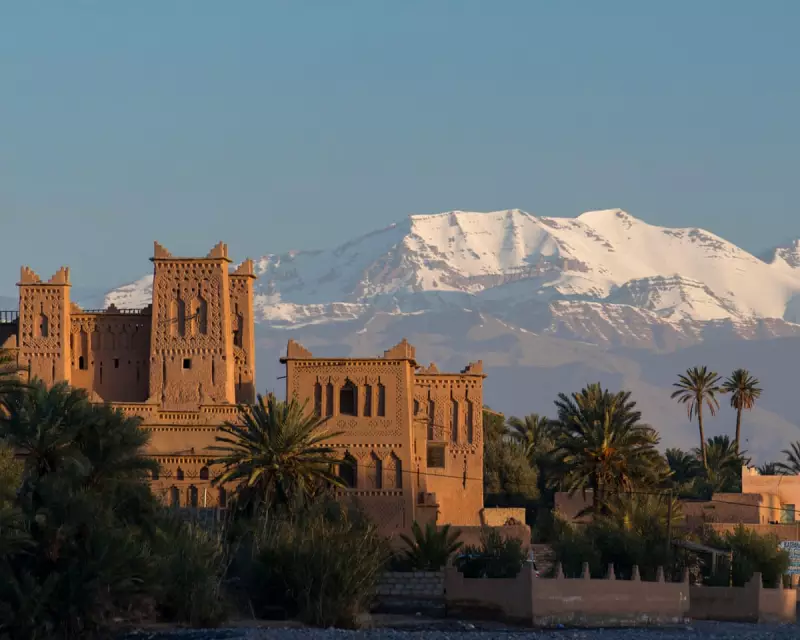
An Oasis of Calm in the Moroccan Desert
Walking into the Skoura oasis brings an immediate sense of transformation. The temperature drops noticeably, the harsh desert sun softens, and the air fills with birdsong and the gentle rustling of palm leaves. For explorer and author Alice Morrison, this four-hour drive from Marrakech represents the perfect place to decompress from modern life.
The oasis town of Skoura, backdropped by the majestic Atlas Mountains, offers visitors a glimpse into a world that has remained largely unchanged for centuries. Founded in the 12th century by Sultan Yaqub al-Mansur, it once served as a crucial stop for trans-Saharan trade routes carrying everything from gold to ostrich feathers from southern Africa to Europe and the Middle East.
Exploring the Valley of a Thousand Kasbahs
Today, Skoura sits in the Dadès valley, nicknamed the Valley of a Thousand Kasbahs, though it has transformed from a trading hub into primarily an agricultural centre. With approximately 3,000 residents living in a small town bordering 10 square miles of agricultural land, it has become one of Morocco's most significant date producers.
The journey from Marrakech can be made by bus with CTM or Supratours services taking around six hours, or visitors can hire a car or driver from either Marrakech or Fez. Located less than an hour from Ouarzazate, Skoura makes an ideal stopover for a couple of days or can be combined with a Marrakech city break.
Kasbah Amridil: A Living Museum
Among Skoura's most remarkable attractions is Kasbah Amridil, founded in the 17th century and still occupied by the Nassiri family who established it over three centuries ago. This magnificent structure functions as a living museum, showcasing traditional kasbah architecture with its central courtyard for merchants and animals, surrounding rooms and stables, and upper storeys where families and guests lived, ate and prayed.
The kasbah features defensive turrets on each corner and contains a small museum displaying artefacts from rural Moroccan life that is gradually disappearing. Visitors can even stay in some of the rooms, experiencing historical accommodation firsthand.
Cycling Through Ancient Palm Groves
Alice Morrison recommends exploring Skoura by bicycle, which many local lodges provide for guests or can be rented through Skoura VTT Aventures. Cycling along the dirt paths winding through date palms offers an intimate way to discover the oasis's secrets.
During her explorations, Morrison learned about the agricultural practices that sustain the oasis. Farmers explained that date palms come in male and female varieties, with only one male tree planted for every 20-50 females since males don't bear fruit but are essential for pollination. In spring, the male trees produce heavy clusters of pollen-filled flowers.
The harvest season from October to November brings particular excitement to Skoura, which specialises in producing the fat, soft medjool dates. This period offers visitors a chance to witness the bustling activity and traditional harvesting methods, where farmers climb the palms barefoot using sharp curved scythes and ropes.
Ancient Engineering and Traditional Architecture
The oasis thrives thanks to an intricate irrigation system called khettara that dates back more than 2,500 years. These engineering marvels use gravity to channel water all the way from the Atlas Mountains through a series of round tunnel-like canals.
The local architecture represents some of North Africa's finest remaining examples of rammed-earth construction. Houses built from natural materials like mud, palms and wood remain naturally cool in summer and warm in winter due to their thick walls. The flat roofs feature grass or palm fronds protruding above gutters to direct rainwater away.
This traditional building method requires constant maintenance as houses effectively "melt" when it rains, leading many residents to rebuild with cheaper concrete alternatives.
Accommodation and Culinary Delights
Skoura offers accommodation options for various budgets, from family-run auberges with double rooms from €25 to more luxurious ecolodges like Sawadi starting at €89 per double room. The town's charm lies in its relatively undeveloped nature compared to more tourist-heavy Moroccan destinations.
Culinary highlights include traditional tagines found in local restaurants, featuring lamb with vegetables, chicken with olives and preserved lemon, or meatballs in tomato sauce. For something special, Morrison recommends L'ma Lodge, created by French/Belgian couple Vanessa and Xavier on an old football pitch site. Their €25 lunch and pool afternoon package features produce from their organic garden, with dishes often incorporating pomegranate salads and orange blossom water-infused desserts.
For those seeking brief escapes from Skoura's tranquillity, Ouarzazate lies just 45 minutes away, offering film studios used for major productions from Gladiator to Game of Thrones, quad biking adventures and diverse dining options. The striking red clay town of Aït Benhaddou is also within an hour's reach.
Ultimately, Skoura serves as what Morrison describes as "decompression therapy" - a world away from Marrakech's crowded markets, Casablanca's clubs or Taghazoute's surfing scene. While it once formed part of Morocco's trading lifeline, today it stands as a peaceful reminder of simpler living in harmony with nature.




