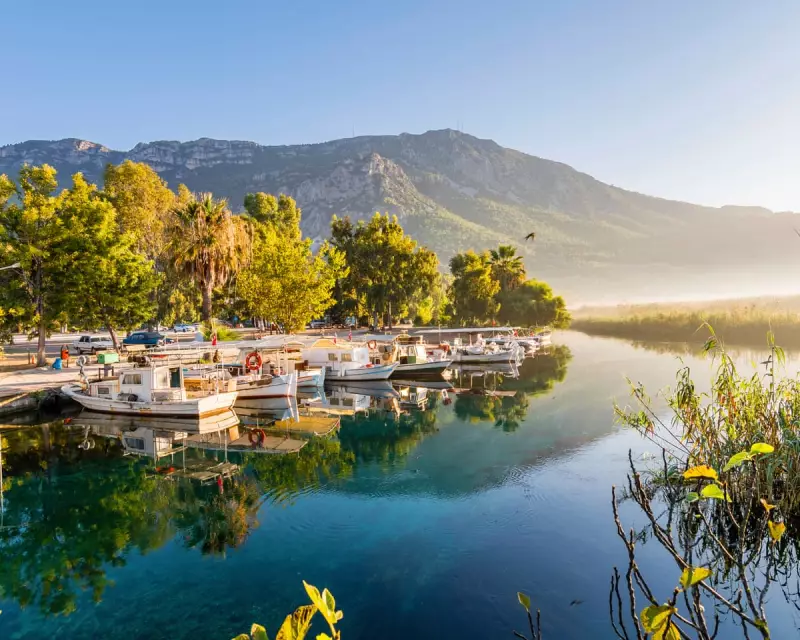
Nestled at the eastern end of the shimmering Gökova Bay, the small Turkish town of Akyaka offers a rare glimpse into a more authentic, slower-paced side of the country. Thirty years after a writer first visited as a holiday representative, a recent return trip revealed a place that has remarkably retained its ramshackle charm, successfully swerving the worst excesses of tourist development that have transformed so many other Mediterranean hotspots.
The Enduring Charm of a 'Slow Town'
The secret to Akyaka's preserved character lies partly in its official status as one of Turkey's designated 'slow towns' or 'Cittaslow'. This philosophy focuses on protecting local traditions, promoting quality of life, and consciously avoiding the pitfalls of rampant overdevelopment. The town's distinctive aesthetic is also a legacy of the late Turkish poet and architect Nail Çakirhan, who retired there in 1971.
Çakirhan built a home that masterfully blended traditional Ottoman design with local materials, inspiring a wave of similar constructions. By the 1990s, his architectural standards were adopted for most new builds. The result today is streets lined with elegant wooden houses, their intricately carved balconies overflowing with bougainvillea, with not a modern glass-walled hotel block in sight.

A Haven of Authentic Experiences
Unlike many Turkish resorts now dominated by all-inclusive complexes, Akyaka remains primarily the preserve of Turkish domestic tourists. Visitors flock to the fish restaurants lining the crystal-clear Azmak River, hike through the fragrant pine forests (orman) that rise from the beach, or simply relax on the sand. The scene is one of unpretentious calm, where groups of friends might sit knitting as the sun sets, a world away from the preening oligarchs and influencers found elsewhere.
Accommodation reflects this ethos. The writer's preferred stay is the İskelem Otel, located a short drive from town across the pine forest. With rooms costing from £105 to £260 for bed and breakfast, it offers stunning sea views and a magical transformation each evening, as sun loungers are replaced by linen-clad tables for candlelit dinners on the jetty. In town, the beachfront Yücelen hotel offers traditional Ottoman design with doubles from £95 B&B.
The culinary experiences are a highlight, from perfectly grilled sea bream and spiced Adana kebabs to lavish breakfast spreads of börek, tomatoes, parsley, and fresh omelettes. For a reasonably priced meal, the Azmak Çorba Salonu serves fresh pide, grilled chicken, and salads for around £30 for two, showcasing the value found in spots catering to a local clientele.
A Watersports Paradise and Beyond
Beyond its sleepy charm, Akyaka has earned a reputation as one of the Mediterranean's leading watersports destinations. From May to November, reliable thermic winds blow across the gulf daily, reaching 15 to 18 knots. A ten-minute drive away, Akçapinar Beach becomes a kaleidoscope of kite-surfing flags, its shallow, sandy waters making it an ideal spot for beginners in kitesurfing or wing-foiling.
The surrounding region offers further exploration. The nearby sailing hub of Göcek, the serene Lake Köyceğiz surrounded by sweetgum forests, and the weekly Thursday market in Muğla—reached via a breathtaking mountain road—provide authentic cultural experiences far from the typical tourist trail.
A Contrast to Turkey's Changing Tourist Landscape
Akyaka's enduring appeal stands in stark contrast to the broader shifts in Turkish tourism. The country's landscape is becoming fractured, split between ultra-luxury resorts charging over £1,000 a night, health tourism hubs, and vast all-inclusive compounds. Hyperinflation and economic policies have driven prices up, moving Turkey away from its former budget-destination status.
Yet Akyaka proves there are still enclaves that defy categorisation. It is not a place for late-night cocktail bars or Michelin-style dining, but for Turkish coffee, simit, backgammon on the jetty, and iced Efes beers as Gökova Bay turns iridescent at dusk. For those seeking a slice of Turkey as it used to be—beautifully unpolished and genuinely welcoming—this slow town remains a compelling answer.