
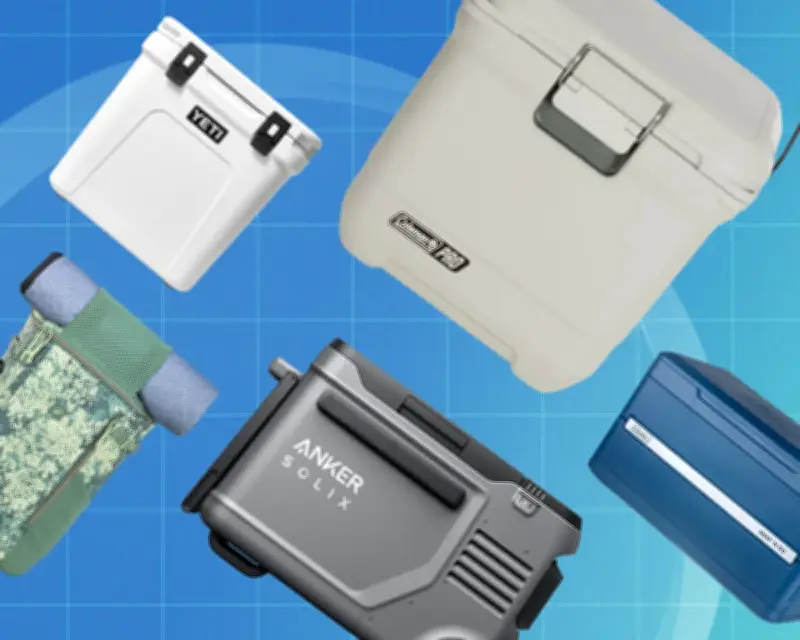
The Coleman Pro cooler box is the best overall choice for keeping provisions frosty during outdoor trips, according to rigorous testing of 18 models. It maintained temperatures below 8°C for 28 hours and kept milk partially frozen for 30 hours, outperforming most competitors. The Campingaz Icetime Plus offers reliable budget performance at £29.99, while the Yeti Roadie 48 wheeled cooler excels in durability and ice retention, lasting nearly six days with half a load of ice.
How the Cool Boxes Were Tested
Linda Geddes, a former Guardian science correspondent and keen camper, devised a battery of tests focusing on ice retention, temperature consistency, portability, and durability. Each cool box was prechilled with one standard ice pack per 6-7 litres of capacity, then loaded with a frozen one-pint flagon of milk. Digital wireless thermometers monitored internal temperatures, and boxes were opened every four hours to simulate campsite use. Shortlisted models were half-filled with ice cubes to measure complete melt time. Electric cool boxes were tested for cooling speed and then unplugged to assess thermal performance. Portability was evaluated by lifting 10kg of provisions into a car boot and carrying them 100 metres.
Best Cool Box Overall: Coleman Pro Cooler Box
The Coleman Pro, priced from £99.09, features thick polyurethane foam insulation in both lid and body, claiming up to 3.5 days of cold retention for the 24-litre version. Larger 42.5-litre and 52-litre models promise even longer performance. The metal latch reduces spill risk, and the antibacterial liner helps prevent odours. In testing, it stayed below 8°C for 28 hours and kept milk frozen for 30 hours. When half-filled with ice in an 18°C room, it took four days and six hours for ice to fully melt. The cooler is sturdy enough to double as a seat and includes a padded shoulder strap. However, it lacks cup holders in the lid.
Best Budget Cool Box: Campingaz Icetime Plus
At £29.99, the Campingaz Icetime Plus delivers surprising performance for short trips. With thick foam insulation and a lid-locking handle, it claims 24-hour cooling. In tests, the internal temperature dipped to 2.6°C and stayed below 8°C for 15 hours, while the milk remained partially frozen for 22.5 hours. When half-filled with ice, it took nearly three days to melt completely. The lid is robust enough for seating, and the tough plastic shell withstands campsite conditions. The hinged lid may slightly hinder cleaning.
Best Cool Bag: Quechua Backpack Cooler 100
The Quechua Backpack Cooler 100, priced from £24.99, is designed for day hikes with hands-free carrying. It features an insulated inner zone, two zipped compartments, and mesh side pockets. Despite its soft-sided design, it outperformed many solid cool boxes in tests, staying below 8°C for 23 hours and keeping milk frozen for 27 hours. The bag is comfortable to wear with adjustable straps and a foam back. However, the insulated compartment is not fully waterproof, as Decathlon states, so condensation or spills may leak through seams.
Best Cool Box on Wheels: Yeti Roadie 48
The Yeti Roadie 48, priced at £425, is a rugged wheeled cooler with PermaFrost insulation and a five-year warranty. It features puncture-resistant tyres and tough hinges. In tests, internal temperature took 22 hours to rise from 1.9°C to 8°C, and milk fully defrosted after 24 hours. When half-filled with ice, it took five days and 20 hours to melt completely. The cooler is easy to manoeuvre over various surfaces. However, the interior is large and difficult to organise; an additional dry goods basket is sold separately. The water drain leaves a small amount of water even when tipped.
Best Collapsible Cool Box: Coleman Snap 'N Go 45QT
The Coleman Snap 'N Go 45QT, priced from £139.99, collapses to roughly one-third of its height for easy storage. It features a leakproof antibacterial liner. In tests, milk took 24 hours to fully defrost, and a half-filled load of ice lasted 79.5 hours before melting. There were no leaks during testing. However, ice retention is shorter than rigid models, and the collapsible design prevents use as a seat. There is no drain plug, making water removal awkward.
Best Cool Box for Off-Grid Adventures: Anker Solix EverFrost 2 40L
The Anker Solix EverFrost 2, priced at £749, is an electric cooler with a removable battery that can be recharged via mains, car 12V, USB-C, or a 100W solar panel (sold separately at £179). In tests, it cooled from 18°C to 0°C in 15 minutes and ran for 71 hours on battery at 2°C. Even unpowered, it kept milk frozen for 41 hours. The motor is quiet, and the wheels and pull handle are sturdy. The removable battery can also charge phones. However, it is heavy at 23kg and expensive.
Other Notable Cool Boxes
The Outwell Ecocool (£142.95) offers excellent cold retention with a split-lid design and internal divider that doubles as an ice pack, but has audible fan noise and a flimsy handle. The Ninja FrostVault wheeled cooler (£249.99) features a dry-storage drawer and excellent drainage, but is bulky for its 28-litre capacity. The Oyster Tempo cooler (£434) uses vacuum insulation for exceptional ice retention (up to 49.5 hours below 8°C with its branded ice packs), but is expensive and its aluminium interior dents easily. The Hydro Flask Carry Out soft cooler (£68.87) is stylish and effective for picnics, staying below 8°C for 19 hours, but does not fold down for storage. The Coleman 28QT Xtreme Marine cooler (£86.48) offers sturdy design with cup holders and 25 hours below 8°C, making it a solid weekend option.
Passive vs Electric Cool Boxes
Passive cool boxes rely on ice or ice blocks, requiring no power but taking up space and potentially causing sogginess. Electric cool boxes offer consistent cooling without ice but need a power source and are bulkier. Preparation is key for both: prechill the box, precool food, and pack tightly with a 2:1 ice-to-contents ratio. Keep the box in the shade and open it as little as possible. For disposal, donate usable cool boxes or recycle hard plastic at household waste centres; electric models should be recycled as small electrical appliances.




