Austrian Ski Resort Rejects Fake Snow for Sustainable Nature Park
In the heart of the Alps, where declining snowfall threatens traditional winter sports, one Austrian community has taken a bold stand against artificial snow. Villach, a town in Carinthia, faced a critical decision as the climate crisis brought warmer temperatures and reduced snow cover to its beloved Dobratsch mountain. Instead of resorting to energy-intensive snow cannons, the town chose to reinvent itself, closing the ski resort in 2002 and developing a community-focused nature park that prioritises environmental protection and authentic outdoor experiences.
The Environmental Cost of Artificial Snow
Artificial snow, known as Maschinenschnee in Austria, comes with a high environmental price tag. It requires significant amounts of energy and water, often pumped from valleys to service slopes. According to hydrologist Professor Carmen de Jong, this practice introduces potentially harmful bacteria into snow, meltwater, and soils, damaging fragile alpine ecosystems. For residents of Villach, concerns about contamination of their drinking water, sourced through the mountain's karst limestone system, were paramount. They deemed the risks unacceptable, leading to the closure of the ski resort and the creation of the Dobratsch nature park.
This transformation has allowed the park to safeguard local flora and fauna, including species like mountain hares, chamois, ptarmigan, and black grouse. Educational programmes for schoolchildren are regularly held on the mountain, fostering a connection with nature. Visitors are encouraged to stick to designated trails, which are maintained daily, while avoiding specific nature zones to minimise human impact.
Year-Round Outdoor Recreation in Dobratsch
The Dobratsch nature park offers affordable year-round activities for both locals and tourists. Accessible via a €5 bus from Villach or through paid parking spots, the park features:
- Three winter hiking routes, ranging from 30 minutes to two hours in duration.
- Four ski touring routes, taking between one and a half to three hours to complete.
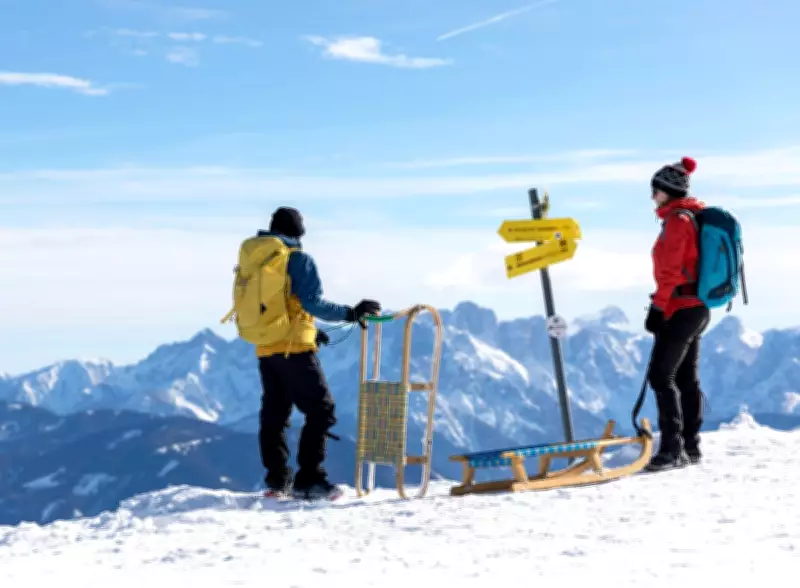
- A cross-country skiing circuit and a dedicated toboggan slope.
During a visit, one can experience the joy of hiking on real snow, with its characteristic squeak underfoot, evoking nostalgia for traditional winter holidays. In contrast, artificial snow is often described as icy, hard, and unpleasant for skiing or walking, lacking the intricate beauty of natural snowflakes.
Contrasting Approaches in Austrian Ski Tourism
While Dobratsch embraces sustainability, other Austrian resorts like St Anton rely heavily on snow cannons to maintain operations. In St Anton, the constant whirr of machines produces ribbons of white pistes amidst green hills, creating a surreal and gritty experience for skiers. This approach, though financially necessary for many businesses dependent on tourist spend, highlights the growing dilemma in Alpine regions.
In the village of Mallnitz, a scenic 50-minute train ride from Villach, the effects of climate change are starkly visible. Klaus Alber, a mountain guide and hotel owner, notes that snow levels have dramatically decreased, with the local Ankogel ski resort closed due to lack of natural snow. He encourages guests to adapt, promoting activities like snow touring, where participants hike up mountains using adhesive skins before skiing or snowboarding down.
The Joy of Natural Snow in Hohe Tauern National Park
Snow touring in the Hohe Tauern national park offers a pristine alternative to crowded ski resorts. Amidst a wild, high mountain landscape, the experience is enhanced by the presence of natural snow, which appears brighter and more dazzling under blue skies. Klaus Alber points out areas that were nearly developed into ski resorts in the 1960s, now preserved within the national park. Descending through untouched snow, with no prior tracks, provides a rare and exhilarating sensation, underscoring the irreplaceable value of snow that falls from the sky.
This shift towards sustainable tourism not only protects ecosystems but also offers unique, authentic adventures that cannot be replicated by machines. As Alpine communities grapple with climate challenges, Villach's model demonstrates that embracing nature can lead to rewarding and environmentally conscious alternatives.