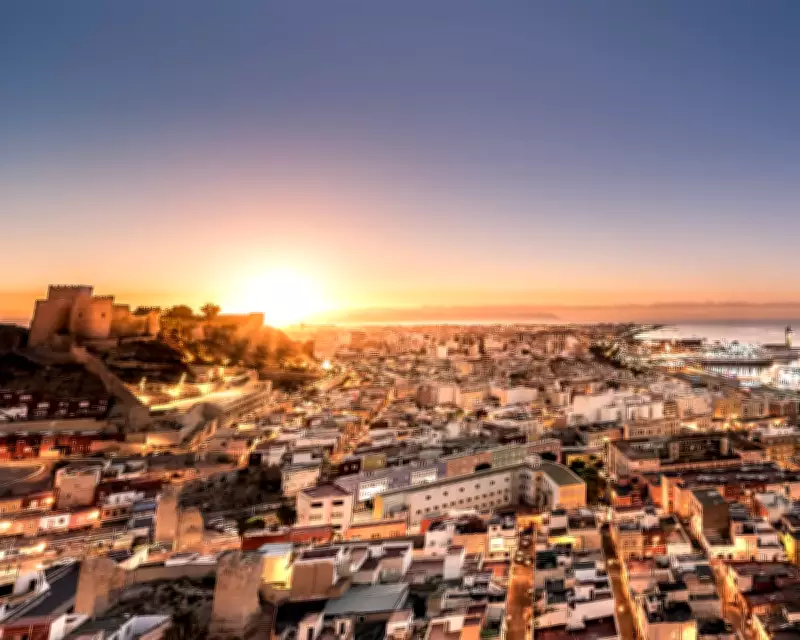
Unveiling the Desert City of Almería in Andalucía
Nestled in the southeastern corner of Andalucía, Spain, Almería stands as a captivating desert city that defies conventional expectations of Spanish destinations. With its unique blend of historical depth, cinematic landscapes, and vibrant local culture, this often-overlooked gem offers travelers an authentic and enriching experience far from the crowded tourist trails.
A Rich Tapestry of History and Architecture
At the heart of Almería lies the Alcazaba, one of the largest Moorish fortresses in Spain, dating back to the 10th century. This imposing structure, perched on a hill overlooking the city, provides panoramic views and a tangible connection to Almería's Islamic past. Visitors can wander through its well-preserved walls, gardens, and towers, imagining the city's role as a key medieval trading port.
Beyond the Alcazaba, the city's cathedral, built in the 16th century, showcases a unique fortress-like design, reflecting the need for defense against pirate attacks. Its blend of Gothic, Renaissance, and Baroque elements tells a story of resilience and adaptation. The old town, with its narrow, winding streets and whitewashed houses, invites leisurely exploration, revealing hidden plazas and traditional tapas bars where locals gather.
Cinematic Landscapes and Natural Wonders
Almería's surrounding desert landscapes have earned it the nickname "Europe's only desert," thanks to the Tabernas Desert. This arid region, with its dramatic badlands and rugged terrain, has served as a backdrop for countless Spaghetti Western films and modern productions like Game of Thrones. Tourists can visit film sets, such as Mini Hollywood, to step into the world of classic movies and learn about the area's Hollywood connections.
The natural beauty extends to the Cab de Gata-Níjar Natural Park, a protected coastal area featuring pristine beaches, volcanic cliffs, and crystal-clear waters. Ideal for hiking, snorkeling, or simply relaxing, this park offers a stark contrast to the desert interior, highlighting Almería's diverse geography. The region's mild climate, with over 3,000 hours of sunshine annually, makes it a year-round destination for outdoor enthusiasts.
Vibrant Culture and Culinary Delights
Almería's culture is deeply rooted in its agricultural heritage, particularly in the production of greenhouse-grown fruits and vegetables, which supply much of Europe. Visitors can explore local markets to sample fresh produce or take guided tours of the vast greenhouse complexes, known as "the sea of plastic," to understand the region's economic backbone.
The culinary scene is a highlight, with traditional dishes like gurullos (a pasta-based stew) and ajo colorao (a garlic and pepper soup) showcasing local flavors. Seafood is abundant along the coast, with restaurants serving freshly caught fish and tapas in bustling waterfront areas. Cultural events, such as the annual Holy Week processions and summer festivals, add to the city's lively atmosphere, offering insights into Andalusian traditions.
Practical Tips for Travelers
Getting to Almería is convenient, with an international airport offering flights from major European cities and a well-connected train and bus network linking it to other parts of Spain. Accommodation ranges from budget-friendly hostels in the city center to luxury resorts along the coast, catering to all types of travelers.
For the best experience, consider visiting in spring or autumn when temperatures are mild, and crowds are thinner. Key attractions include:
- The Alcazaba fortress for historical immersion
- Tabernas Desert for cinematic adventures
- Cab de Gata-Níjar Natural Park for natural beauty
- Local markets and tapas bars for culinary exploration
Almería's charm lies in its ability to surprise—a desert city where history, nature, and culture converge to create a truly unique destination in Andalucía.