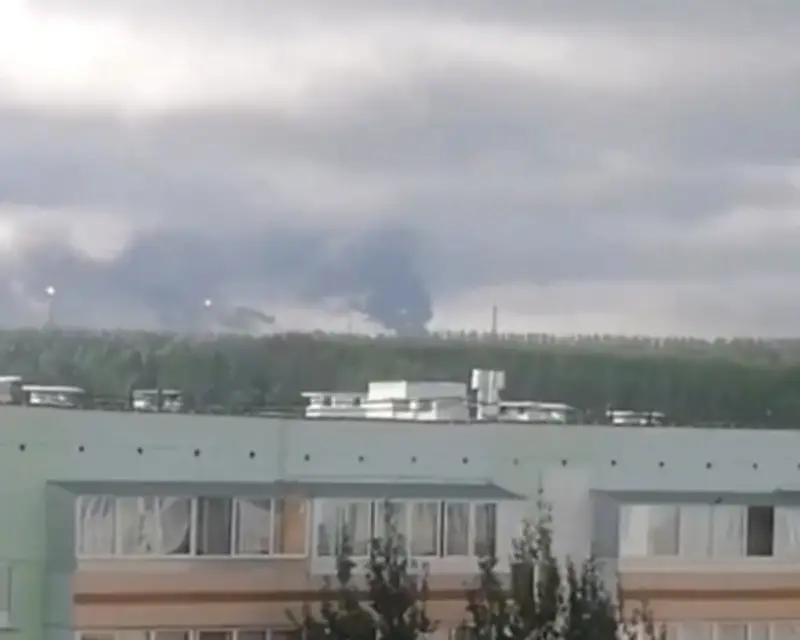
Ukraine carried out a drone strike on a major oil refinery in Russia, igniting a massive fire and causing significant disruption to fuel production, according to Ukrainian and Russian officials. The attack, which took place on August 10, 2026, targeted the refinery in the city of Ryazan, approximately 200 kilometers southeast of Moscow.
Attack Details and Immediate Impact
The strike involved multiple drones, some of which were intercepted by Russian air defenses, but at least one managed to hit the refinery's processing unit, triggering a large blaze. Local emergency services were deployed to contain the fire, and nearby residents were advised to stay indoors due to smoke. Video footage shared on social media showed thick black smoke billowing from the facility.
According to the Ukrainian military, the operation was part of a broader effort to undermine Russia's fuel supply chain, which is critical for its military operations. The refinery, operated by Rosneft, processes about 340,000 barrels of crude oil per day, making it one of the largest in Russia. The disruption could lead to fuel shortages in the region, affecting both civilian and military logistics.

Russian Response and Regional Repercussions
Russian officials condemned the attack, calling it a terrorist act and vowing retaliation. The governor of Ryazan Oblast, Pavel Malkov, stated that there were no casualties but acknowledged the significant damage to the refinery's infrastructure. He added that repair work would take several weeks, during which the refinery would operate at reduced capacity.
This strike is part of a series of Ukrainian drone attacks on Russian oil infrastructure in recent months, aimed at reducing Russia's revenue from energy exports. According to analysts, such attacks have already forced Russia to temporarily halt exports from some ports, leading to a slight increase in global oil prices. The latest incident is likely to exacerbate these effects.
Strategic Implications and International Reactions
The attack comes amid ongoing diplomatic efforts to de-escalate the conflict, but both sides show no signs of backing down. Western observers note that Ukraine's use of domestically produced long-range drones has proven effective, despite Russia's claims of intercepting most incoming threats. The strike also raises concerns about the safety of nuclear facilities, as the Ryazan region hosts a nuclear power plant, though it was not affected.
International reactions have been mixed, with the United States urging restraint to avoid further escalation, while some European allies expressed support for Ukraine's right to defend itself. Meanwhile, Russia's defense ministry announced that it would increase the protection of critical infrastructure, including deploying additional air defense systems around oil refineries.
As the conflict continues, the economic and environmental consequences of such strikes are becoming more pronounced. The fire at the refinery has led to a temporary spike in air pollution levels in the surrounding areas, prompting health warnings. The long-term impact on global energy markets remains uncertain, but analysts predict volatility in the coming weeks.