UK Government Explores Speed Limit Reductions to Address Oil Supply Concerns
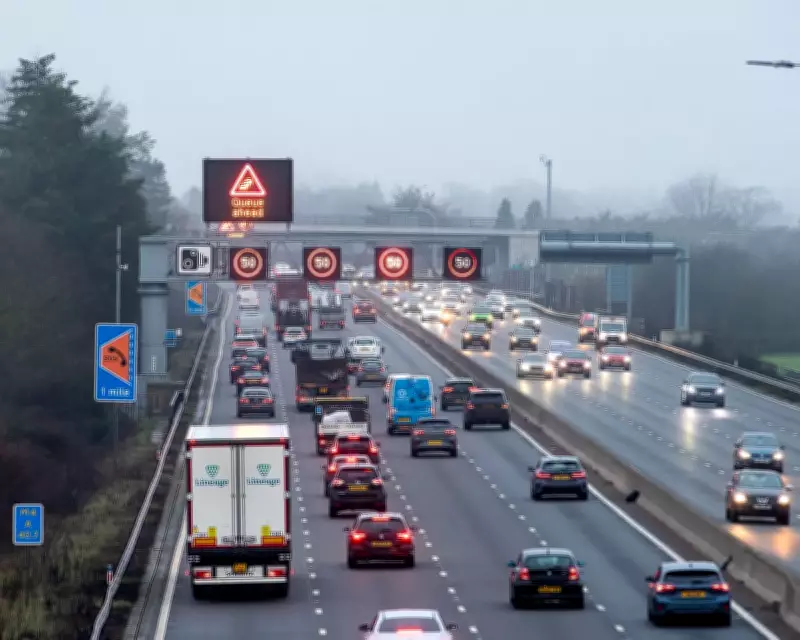
The UK government is actively developing contingency plans to reduce national oil consumption, with proposals including lowering motorway speed limits by up to 10mph. This initiative comes as escalating tensions in the Middle East pose significant threats to global fuel supplies, prompting urgent evaluations of demand-curbing measures.
International Energy Agency Recommends Emergency Actions
The International Energy Agency has advised member countries, including the United Kingdom, to implement a series of emergency protocols reminiscent of pandemic-era restrictions. These recommendations include promoting remote work, encouraging shared transportation through public transit or carpooling, advocating for fuel-efficient driving practices, and reducing non-essential air travel.
While the Department for Energy Security and Net Zero maintains confidence in the UK's diverse and resilient fuel infrastructure, officials are collaborating with the Department for Transport to analyze potential interventions. The IEA's guidance extends globally, suggesting the diversion of liquid petroleum gas from transportation to preserve supplies for essential domestic needs like cooking, a strategy already impacting nations such as India.

Existing National Emergency Fuel Plan
The UK's national emergency strategy for fuel shortages, last updated in 2024, outlines severe measures that would only activate during critical supply constraints. These protocols include:
- Implementing petrol rationing systems
- Restricting operating hours at fuel stations
- Prioritizing fuel access for essential service vehicles
- Ensuring continued public transportation operations
- Limiting private fuel purchases per visit
- Potential overnight closures of fuel pumps
In extreme circumstances, the government could assume control over crude oil distribution within the country. However, the IEA's proposed measures aim to moderate demand proactively before supplies reach critical levels.
Practical Implementation of Speed Reductions
Government sources indicate that reducing traffic speeds represents one of the most immediately implementable options. Motorways equipped with electronic signage could easily adjust limits downward, capitalizing on existing infrastructure. This approach builds upon previous regional initiatives, such as the 60mph restriction on the M6 near Birmingham implemented to combat pollution.
The technical capacity for enforcement exists through the UK's extensive network of traffic cameras. National Highways operates over 4,000 monitoring devices across strategic routes, while Transport for London maintains 1,500 number plate recognition cameras. However, implementing driving restrictions in urban areas would require significant technical development and legislative authorization.
Economic and Political Considerations
Fuel prices have already increased substantially since Middle East conflicts intensified, with petrol rising 9% and diesel increasing 17%. The RAC forecasts further escalations, predicting average unleaded prices could reach 150p per liter by Easter, adding significant costs to household budgets.
Political responses reveal divergent perspectives. Shadow Transport Secretary Richard Holden criticized potential restrictions as "eco zealotry," advocating instead for increased domestic energy production. Conversely, Green Party transport spokesperson Siân Berry emphasized Britain's vulnerability due to fossil fuel dependence and called for accelerated renewable energy investment.
Industry and Employer Responses
The Department for Energy Security and Net Zero aims to prevent panic-buying incidents similar to those experienced in September 2021. Officials emphasize that fuel production and imports continue normally, with more than half of UK crude oil sourced from the United States and Norway.

Business sectors express reservations about reinstating remote work policies. Manufacturing representatives indicate reluctance to adopt flexible working arrangements without official government mandates, citing concerns about workplace equity between remote and on-site employees. Human resources professionals acknowledge fuel costs as the "latest shock" for employers, who must balance short-term flexibility with long-term operational continuity.
Automobile associations urge calm, with AA's Jack Cousens advising drivers to maintain normal fueling habits while adopting efficient driving techniques like reduced speeds and smoother braking. These practices offer dual benefits of conserving fuel and reducing expenses regardless of broader supply conditions.