Conflicting Messages for UK Motorists Amid Iran Conflict Fuel Price Surge
British drivers are receiving mixed guidance about their behavior on the roads as fuel prices continue their dramatic climb nearly a month into the Iran conflict, with fears of a full-scale energy crisis beginning to materialize across the nation. The International Energy Agency has issued recommendations for motorists to reduce their highway speeds, participate in ride-sharing programs, and work from home whenever possible to decrease petrol and diesel consumption during this volatile period.
Government Minister Insists on Business as Usual
Energy Minister Michael Shanks has taken a contradictory position, publicly stating that all citizens should "go about their business as normal" and emphasizing that no fuel shortages currently exist anywhere in the United Kingdom. "They should do everything as absolutely normal because there is no shortage of fuel anywhere in the country at the moment," Shanks declared during a recent media appearance. "We monitor this every single day, I look at the numbers personally. There's no issue at all with that."
When specifically questioned about whether drivers should consider reducing their speeds to conserve fuel, Shanks told Times Radio: "Look genuinely, people shouldn't change their behaviour or their habits in the slightest." This stance directly conflicts with the International Energy Agency's conservation recommendations and has created confusion among the driving public.

Drivers Already Implementing Personal Conservation Measures
Despite the government's insistence on maintaining normal routines, numerous motorists have already begun adjusting their behaviors in response to skyrocketing fuel costs. Metro readers have reported various personal strategies, including switching from traditional vehicles to electric alternatives, reducing non-essential driving, and increasing bicycle usage for urban transportation.
Sue Thomson explained her family's adaptation: "My son bought an electric scooter to go to and from work to save using his car." Bruce Macefield reported that he has "reduced driving for pleasure" due to the extraordinary price increases, while Salman Mirza described his shift toward cycling: "Fuel has been expensive for a while, city and town driving, you're in traffic sitting in queues, I try to ride my bicycle as much as possible, it's quicker, better for your health and better for the environment."
Practical Fuel-Saving Techniques and Price Monitoring
Some drivers have implemented specific mechanical adjustments to improve their vehicles' fuel efficiency. David Reeves detailed his approach: "I blew my tyres to the maximum safe limit and emptied my boot" to reduce rolling resistance and vehicle weight. Others have modified their purchasing patterns, with one motorist reporting they now purchase only £20 worth of fuel at a time instead of their previous £30 fill-ups.
Several drivers expressed frustration with what they perceive as "price gouging" at certain fuel stations. Richard Hopes commented: "I haven't changed anything but have taken note of the garages who have hiked their prices more than others and won't be giving them my business from now on." This sentiment reflects growing consumer awareness of pricing disparities during the crisis.
Current Fuel Prices and Market Analysis
According to the latest RAC Fuel Watch data, diesel prices in the UK have reached 173.83p per litre, while unleaded petrol averages approximately 148.55p per litre. Simon Williams, the motoring group's head of policy, revealed that diesel prices have increased by 22% since February 28, with petrol rising 11.8% during the same period.
"Diesel looks likely to break the 180p-a-litre mark in the next week or so," Williams projected. "If it goes on to reach 182p the price of a tank for a family car would breach £100. If petrol climbs to 150p, as seems inevitable, it will take the cost of a fill-up to £82.50." These projections indicate that fuel expenses for typical family vehicles could soon reach unprecedented levels.
Supermarket Fuel Price Comparison
The RAC provides regular monitoring of supermarket fuel prices, with current averages showing:
Supermarket Petrol Prices (average per litre):

- Tesco: 142.3p
- Asda: 142.4p
- Sainsbury's: 142.7p
- Morrisons: 143.5p
Diesel Supermarket Prices (average per litre):
- Tesco: 165.6p
- Asda: 166.3p
- Sainsbury's: 167.2p
- Morrisons: 168.4p
Geopolitical Context and Government Response
The current fuel price crisis stems directly from escalating tensions in the Middle East, where Iran has implemented a blockade of the vital Strait of Hormuz oil trade route. The situation intensified last week when gas prices jumped 20% following Israeli missile strikes on Iran's South Pars gas field, the world's largest natural gas facility. Iran retaliated with airstrikes targeting Qatar's Ras Laffan oil refinery, further destabilizing global energy markets.
Energy Secretary Ed Miliband has warned retailers that price gougers will face "a range of powers" from both government authorities and industry regulators. "The government was introducing measures to make sure that consumers are not ripped off during this situation," Miliband told Metro previously, indicating increased regulatory scrutiny of fuel pricing practices.
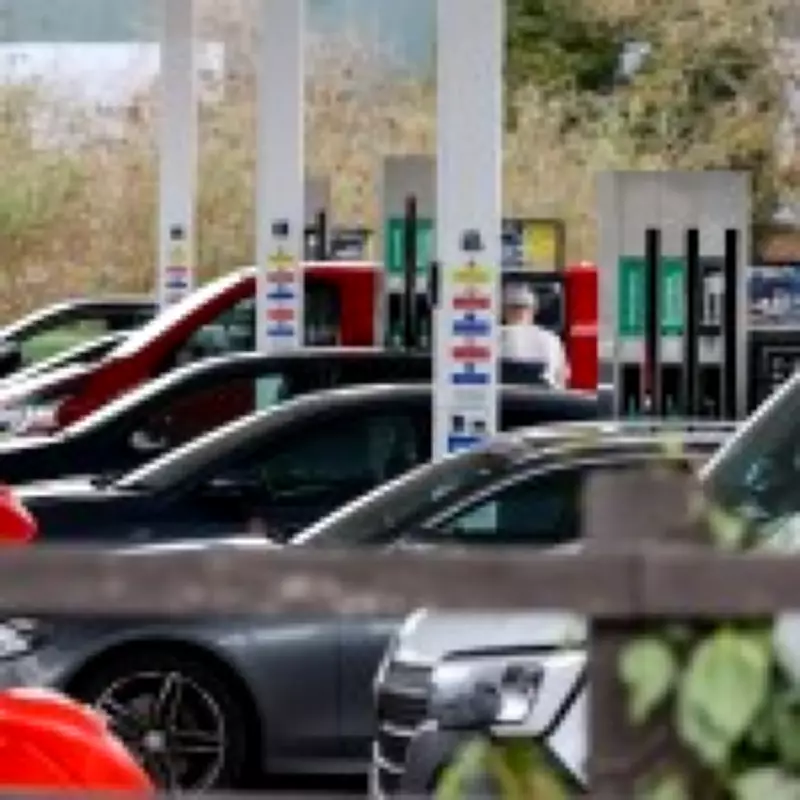
Despite official assurances about fuel reserves, images emerged early in the conflict showing lengthy queues forming at some British petrol stations, demonstrating public anxiety about potential shortages. The price volatility continues as geopolitical developments unfold, with brief price reductions occurring after former President Donald Trump suggested negotiations with Tehran might soon end the conflict, followed by renewed increases the following morning.