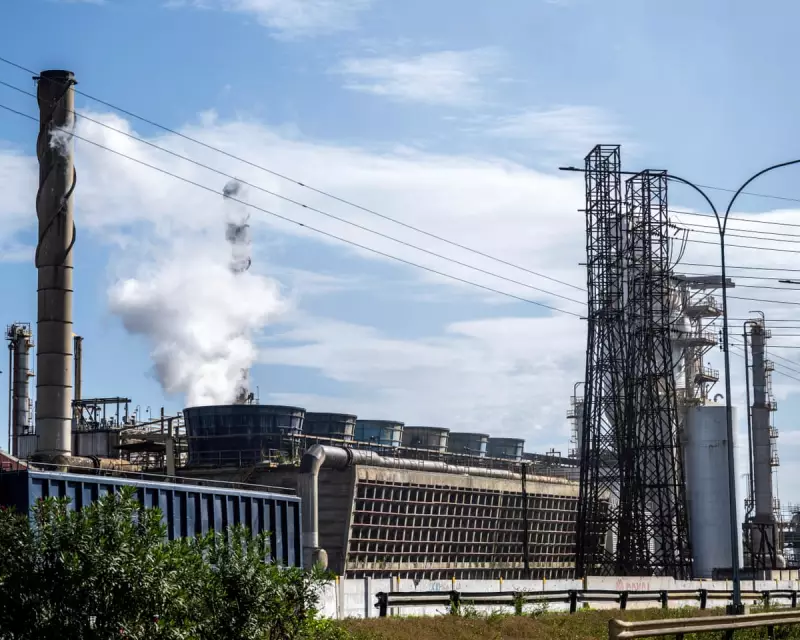
Former US President Donald Trump has declared he may prevent ExxonMobil from operating in Venezuela, following critical comments from the oil giant's chief executive. The confrontation stems from a high-profile White House meeting where Exxon's CEO, Darren Woods, described the South American nation as "uninvestable" in its current state.
A Heated Exchange Over a $100bn Proposal
The dispute erupted during a gathering last Friday, which included executives from at least 18 major oil firms, including industry leaders Exxon, ConocoPhillips, and Chevron. Trump had urged the group to commit a staggering $100 billion to revitalise Venezuela's crippled oil industry. This push came less than a week after US forces reportedly captured and deposed the country's president, Nicolás Maduro, in a dramatic overnight operation.
However, the administration's hopes for a swift corporate endorsement were undermined by Woods's sceptical response. The Exxon CEO pointed to the company's fraught history in Venezuela, where its assets were seized twice during the nationalisation under the late President Hugo Chávez. "We’ve had our assets seized there twice, and so you can imagine to re-enter a third time would require some pretty significant changes," Woods told Trump.

Legal Hurdles and Historic Debts
Woods emphasised that durable legal protections and reform of the country's hydrocarbons law were essential prerequisites for any future investment. Venezuela currently owes over $13 billion collectively to ConocoPhillips and Exxon due to rulings on past expropriations, a significant financial shadow over any new deal.
ConocoPhillips CEO Ryan Lance, noting his firm is the largest non-sovereign creditor in Venezuela, also called for a comprehensive restructuring of the country's debt and its state oil company, PDVSA. Trump assured him that ConocoPhillips would recover much of its money, but insisted the US would start with a "clean slate," blaming past losses on the companies' own decisions.
Trump's Ultimatum and Executive Action
Clearly irritated by Exxon's stance, Trump issued a stark warning to reporters while travelling on Air Force One. "I didn’t like Exxon’s response," he stated. "I’ll probably be inclined to keep Exxon out. They’re playing too cute." He further asserted that firms would be dealing directly with the US administration, not with Venezuelan authorities. "You’re not dealing with Venezuela at all," Trump told the executives. "We don’t want you to deal with Venezuela."
In a related move, Trump signed an executive order on Saturday designed to shield revenue from Venezuelan oil sales held in US accounts from being seized by courts or other creditors. This action aims to create a more stable financial environment for potential future transactions.
The public clash highlights the complex challenges facing Trump's ambitious plan to quickly resurrect Venezuela's oil sector, which has been devastated by years of mismanagement, sanctions, and political turmoil. The reluctance of a major player like ExxonMobil, with its bitter historical experience, suggests the road to attracting massive foreign investment will be fraught with legal and commercial obstacles.