Southeast Asia Grapples with Energy Crisis as Oil Prices Skyrocket
In response to severe instability caused by surging energy prices, nations across Southeast Asia are deploying emergency measures to conserve resources and shield their populations from financial hardship. The International Energy Agency has labeled this the largest supply disruption in global oil market history, driven by conflict in the Middle East, which heavily impacts Asia due to its reliance on imported energy passing through the Strait of Hormuz.
Government Actions and Public Impact
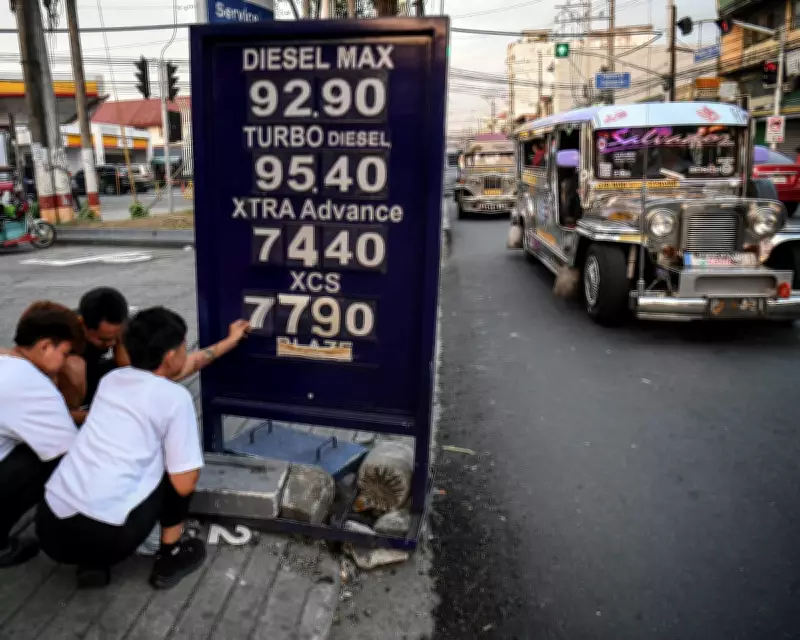
The Philippines, which depends on the Gulf for 90% of its oil, has initiated emergency powers for President Ferdinand Marcos Jr. to suspend excise taxes on oil. Measures include cash handouts for public transport drivers, a four-day workweek for government employees, and mandates to cut electricity and fuel use by 10-20%. Elmer Carrascal, a jeepney driver in Mandaluyong City, exemplifies the crisis: his daily income has plummeted from 1,000 pesos to 400 pesos, barely covering basic necessities like rice.
In Thailand, the government has urged citizens to reduce air conditioning use, with news anchors ditching jackets on air. Officials are wearing short-sleeved shirts, setting air-conditioning temperatures at 26-27°C, and promoting carpooling. Panic buying at petrol stations has led to rationing and stock shortages, affecting even services like temple cremations and elephant transport in Ayutthaya.

Vietnam has encouraged work-from-home policies and sought assistance from Japan and South Korea to increase crude oil access. Across the region, temporary subsidies and price caps are in place, but budget pressures limit their longevity, with Thailand's diesel subsidies costing over 1 billion baht daily.
Long-Term Strategies and Regional Vulnerability
Governments are racing to find alternative supplies and implement conservation strategies. Thailand is increasing biofuel blends from 5% to 7% and suspending most oil exports, while Indonesia accelerates a biodiesel program using 50% palm oil. According to Eurasia Group analysis, Thailand, the Philippines, and Vietnam are particularly vulnerable as large net importers of Middle East oil and gas.
The crisis has led to innovative yet desperate adaptations, such as elephants walking 5km to work due to fuel rationing. Financial support, like the 5,000-peso handout for jeepney drivers, offers temporary relief but falls short of sustained solutions. As diesel prices in the Philippines surpass 100 pesos per liter, up from 52-53 pesos before the conflict, the region faces an uncertain future with governments balancing immediate aid against long-term economic stability.