South East Water has warned there is “material uncertainty” over its survival, after a disastrous year in which the lossmaking company paid millions of pounds in fines and its chief executive was forced out. The water supplier to 2.4 million customers said it had sufficient funds to make it through to July 2027. However, “shortly after” the utility will need “new loan facilities in order to continue as a going concern”, it said in its annual report published on Friday.
Financial Strain and Outages
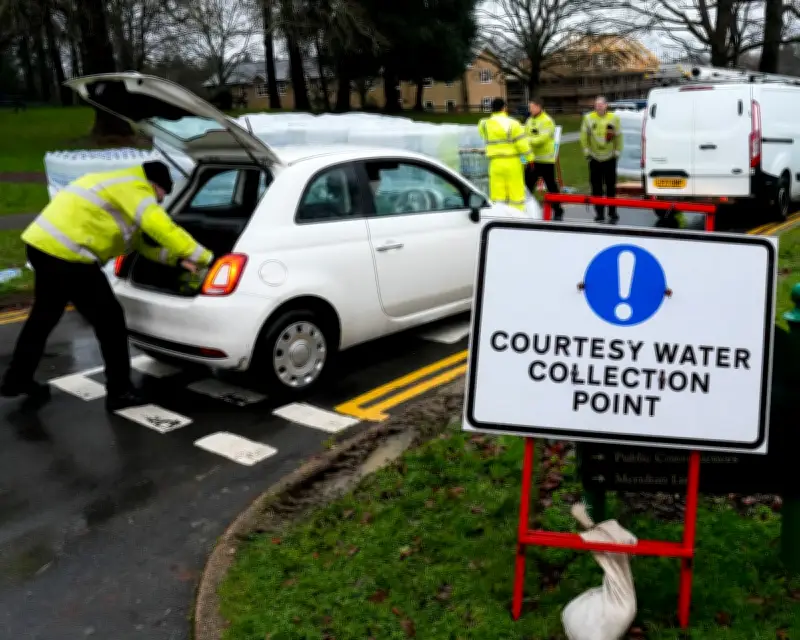
South East Water, which serves customers across Kent, Sussex, Surrey, Hampshire and Berkshire, added that “discussions with lenders to provide funds are at an advanced stage and are expected to conclude over summer 2026” but were not legally committed. The company has gone through one of its worst years since privatisation in 1989, with a series of outages that infuriated customers and politicians. Its chair, Chris Train was forced to resign, while the chief executive, David Hinton, has also promised to step down after months of heavy criticism over the company’s response to major supply failures in Kent and Sussex between November and January.
Regulatory Penalties and Climate Pressures
Ofwat, the regulator for water companies in England and Wales, this week said South East would pay a £30.5m redress package related to those and other outages – putting further pressure on its finances. South East was also forced to introduce a hosepipe ban in Kent last month, which it blamed on high temperatures caused by global heating. “We are experiencing more severe and more frequent extreme weather events fuelled by climate change, which appears to be accelerating faster than previously observed,” the company said. Its struggles underline the challenge the water industry poses for the government, with the incoming prime minister considering putting Thames Water into special administration, a form of temporary nationalisation.

Financial Details and Executive Pay
South East’s directors said that because new funds from shareholders are not yet legally committed they had concluded that “the risk that the funding will not be received constituted a material uncertainty”. Its annual report revealed losses had widened to £33m, up from £14m last year. That came despite revenues soaring from £285m to £352m after Ofwat allowed it to increase bills by 7%. The company is already struggling with £80m a year in finance costs, which could rise if lenders demand higher interest rates on new loans. It raised the prospect of borrowing from “non-traditional credit markets and high-yield alternative credit providers” – hedge funds and private debt investors – if it could not persuade banks and other mainstream lenders to provide funding. South East said it had £90m in cash drawn from a revolving credit facility at the end of June, enough to cover 14 months.
Despite that performance, the annual report showed that Hinton’s pay increased compared with the previous year. He received £488,000 in total pay, even after forgoing his bonus under pressure from MPs – up from £458,000 the previous year. Hinton’s planned resignation means he will not be paid a heavily criticised £400,000 “service award” he would have received had he made it to July 2030. Hinton will be replaced by John Halsall, who previously worked at South West Water, Network Rail and Thames Water.

Ownership and Related News
South East Water is owned by the NatWest Group Pension Fund, the Utilities Trust of Australia and the Desjardins cooperative financial group based in Quebec, Canada. They put £200m of new money into the company in May 2025, after an injection of £75m in December 2024. Separately, United Utilities suffered a shareholder rebellion on Friday over pay proposals for its chief executive, Louise Beardmore. 24% of its shareholders voted against the new remuneration policy for directors, after adviser Institutional Shareholder Services said they should reject it because it raised pay without any link to performance. The company, which supplies water and sewerage services to 7.3 million customers in north-west England, will give Beardmore £435,000 in an “annual allowance” that might not be blocked by the government’s bonus ban. A United Utilities spokesperson said: “None of the remuneration paid to our executive directors is paid for by customers”. He added that it needed “timebound and targeted retention payments to ensure we have the right people”.