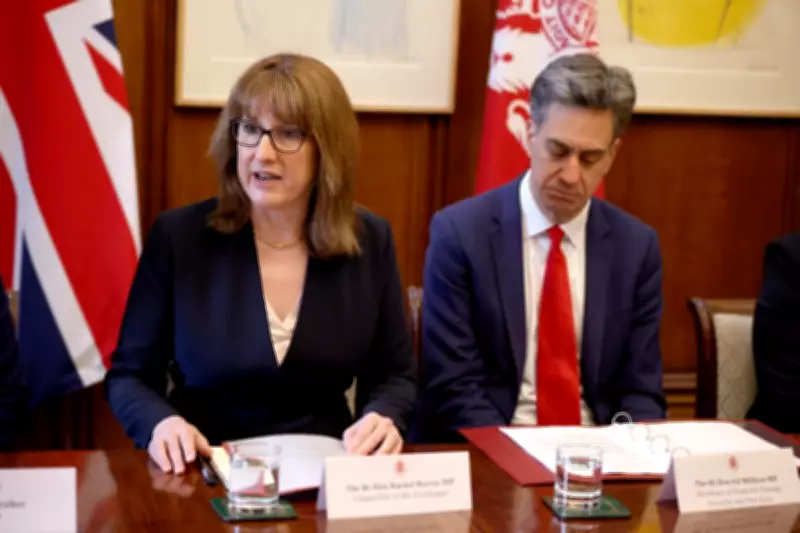
Reeves and Miliband to Urge G7 Nations to Follow UK's Renewable Energy Lead
Chancellor Rachel Reeves is poised to call upon fellow G7 nations to emulate the United Kingdom's ambitious strategy in transitioning toward renewable and nuclear power sources. This urgent appeal comes as a deepening global energy crisis continues to send shockwaves through economies worldwide. Reeves, alongside Net Zero Secretary Ed Miliband, will attend a critical summit on Monday with G7 finance ministers, energy ministers, and central bank governors.
A Coordinated Push for Energy Security
The Chancellor is expected to strongly advocate for a coordinated international effort to commit to long-term energy security. Her central argument will focus on stabilizing volatile energy markets and safeguarding critical supply chains as fundamental drivers for sustained global economic growth. Reeves will encourage G7 partners to follow the UK's lead by significantly boosting investment in renewable energy infrastructure and nuclear power capacity. This strategic pivot aims to reduce collective reliance on the fluctuating prices of oil and gas, which have been severely disrupted.
The call for action follows concerning new data from the Organisation for Economic Co-operation and Development (OECD). The OECD forecasts that UK economic growth will slow to approximately 0.7 percent, positioning it as the second slowest-growing economy among the G7 nations. This economic backdrop adds urgency to the need for a robust, collaborative energy policy.

Global Crisis Triggered by Middle East Conflict
The ongoing war in Iran has forced governments globally to urgently re-evaluate their energy security plans. The conflict has triggered a sharp spike in oil and gas prices, creating widespread market instability. A key factor in this disruption is the blockade of the Strait of Hormuz, a narrow but crucial maritime chokepoint located between Iran and the Arabian Peninsula.
This vital waterway, which facilitates the transit of roughly one-fifth of the world's global oil supply, has remained closed for approximately four weeks since the conflict began. The resulting supply squeeze has intensified political pressure within the UK, with renewed calls for the government to authorize new drilling in the North Sea to achieve greater energy self-sufficiency.
Domestic Political Divisions on Energy Strategy
Prime Minister Keir Starmer has clarified that he does not possess the legal authority to approve fresh exploration of North Sea oil and gas fields. This decision ultimately rests with Net Zero Secretary Ed Miliband. In contrast, Tory leader Kemi Badenoch has launched a campaign dubbed "get Britain drilling," positioning it as a central proposal in her party's plan to combat the surge in energy prices caused by the Middle East conflict.
On the domestic front, Chancellor Reeves is also expected to outline Labour's mission to streamline regulatory processes—or "cut red tape"—in the energy sector. This includes exploring new governmental powers to accelerate the development and delivery of new nuclear energy capacity.
Supermarket Backlash and Postponed Summit
However, Reeves's domestic energy policies have faced significant criticism, particularly from retail leaders. As she prepares to launch a targeted energy support package for British households, her accusations of corporate "profiteering" during the crisis have sparked a fierce backlash.
In an address to the House of Commons, Reeves stated that contingency plans were being drafted for scenarios where high energy prices persist. She also announced intentions to bolster the powers of the Competition and Markets Authority to "crack down" on perceived market abuses.
Supermarket executives have forcefully rejected these claims. The backlash was so pronounced that industry leaders are understood to have snubbed a scheduled meeting with the Chancellor, compelling the Treasury to postpone a summit that was set for Thursday. Asda Chairman Allan Leighton dismissed the ministers' profiteering allegations as having "zero credibility," labeling the campaign a "waste of time."

Similarly, Marks & Spencer Chief Executive Stuart Machin argued that government-imposed "policy costs" on retailers have been a primary factor in pushing up energy bills, directly pointing the finger at policymakers. This incident follows a similar pattern from earlier this month, when petrol retailers withdrew from a meeting with the Chancellor. They claimed that the government's warnings against "price gouging" had inadvertently led to the abuse of forecourt staff by the public.
The dual challenges of advocating for a global energy transition while managing intense domestic criticism will define Chancellor Reeves's agenda as she and Ed Miliband present the UK's vision to the G7 on Monday.