Iran Conflict Drives Oil Prices Past $90, Sparking Global Inflation Concerns
The escalating conflict between the US, Israel, and Iran has sent shockwaves through global energy markets, pushing oil prices above $90 per barrel for the first time since April 2024. This dramatic surge represents the largest weekly gain since the COVID-19 pandemic began six years ago, threatening to reignite global inflation pressures that central banks have been struggling to contain.
Kuwait Production Cuts and Storage Crisis Amplify Market Volatility
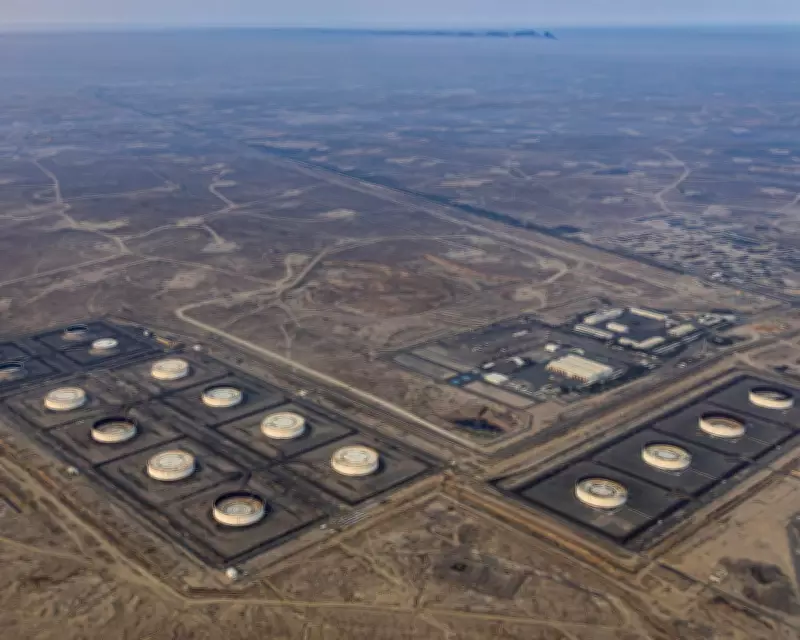
Reports that Kuwait had begun cutting production at some oil fields after running out of storage capacity drove the price of Brent crude to $91.89 at one point on Friday. This represents a staggering increase of more than 25% since the US-Israel attack on Iran last weekend, with prices jumping from approximately $72.50 just before hostilities broke out.
The storage crisis extends beyond Kuwait, with industry consultants warning that holding facilities in Saudi Arabia and the United Arab Emirates could reach their limits within 20 days. This could force the world's largest oil producers to halt extraction entirely—a last resort measure that would have devastating consequences for global energy supplies.

Gulf Production Shutdowns and LNG Disruptions Loom
Qatar's energy minister, Saad al-Kaabi, has issued a dire warning that if the conflict continues unabated, all Gulf energy exporters could shut down production within weeks, potentially driving oil prices to $150 per barrel. Even if hostilities ceased immediately, Qatar would need "weeks to months" to resume liquefied natural gas exports after Iranian drone strikes damaged a key terminal.
This is particularly concerning given that Qatar accounts for approximately 20% of global LNG exports. While Britain relies on Qatar for only about 2% of its total gas supplies, UK gas prices surged to three-year highs this week amid fears that Europe may need to pay premium prices to compete with Asian buyers for available cargoes.
Shipping Security Threats and Market Response
Iran's Islamic Revolutionary Guard Corps has threatened to "set ablaze" any Western tanker attempting to pass through the Strait of Hormuz, a vital trade route for about one-fifth of the world's oil and LNG. According to Lloyd's List, at least nine vessels have been attacked in the Gulf since the US and Israel began strikes on Iran on February 28.
The market has remained skeptical of the Trump administration's attempts to calm nerves by offering insurance and military escorts for tankers navigating the narrow waterway. With approximately 600 vessels currently in the Gulf—including 15 LNG carriers and 195 oil tankers—the security situation remains precarious.
Financial Markets React with Bond Yields and Stocks Under Pressure
The energy market turmoil has fueled inflation fears, putting significant pressure on UK government bond prices. Yields on five- and ten-year bonds are on course for their biggest one-week jump since former Prime Minister Liz Truss's "mini-budget" in September 2022.
Hopes for a UK interest rate cut this month have dwindled dramatically, with money markets now pricing in just a 15% chance compared to 80% last week. Eurozone government bond prices also fell this week, putting yields on track for their largest weekly rise since March of last year.
Stock Market Declines and Airline Sector Suffers
Asian-Pacific stock markets, which rely heavily on energy imports from the Gulf region, experienced their worst week since the pandemic began six years ago. In the UK, the FTSE 100 share index fell by more than 5%, marking its worst performance since April 2025 when Donald Trump announced sweeping global tariffs.
The airline sector has been particularly hard hit. IAG, parent company of British Airways, fell by more than 12%, while low-cost carrier Wizz Air lost approximately one-fifth of its value after issuing a profits warning. The airline predicted the Middle East crisis could wipe €50 million off its profits.

Currency and Commodity Movements Reflect Market Anxiety
While the US dollar has strengthened since the Iranian attacks began, the gold price fell by about 3.5% during the week to below $5,100 per ounce. This unusual movement reflects the complex interplay of safe-haven flows and dollar strength in times of geopolitical uncertainty.
The combination of production cuts, storage limitations, shipping security threats, and broader market reactions creates a perfect storm for global energy markets. As the conflict shows no signs of abating, analysts warn that the worst may still be ahead for consumers and economies worldwide.