As war in Iran drives oil and gas prices to alarming heights, ministers are grappling with a critical question: how to respond effectively to the escalating energy crisis. This dilemma echoes past challenges, such as when Russian tanks invaded Ukraine, prompting urgent discussions in Number 10. Back then, Boris Johnson launched the British Energy Security Strategy in 2022, aiming to accelerate homegrown energy sources like nuclear, renewables, and domestic oil and gas to shield Britain from global price shocks. However, four years later, the strategy has largely failed, leaving the UK with the highest industrial energy costs globally and the second highest domestic bills in Europe, all while remaining dependent on imported gas that spikes during international crises.
The Flaws in Current Energy Policies
The government argues that the failure stems from insufficient speed in deploying renewables. Their current approach involves rapidly purchasing renewables to replace gas, a logical move if paired with removing planning barriers that slow deployment and inflate costs. Yet, there is a significant catch: while solar and batteries thrive in regions like Spain or Texas, the cost of building wind turbines, Britain's primary renewable option, has skyrocketed. Offshore wind deals that made sense at £57 per megawatt-hour in 2021 now cost nearly double, leading to record purchases of the most expensive wind power in a decade.
Moreover, wind farms demand extensive grid infrastructure compared to fewer assets like nuclear plants, including backup gas systems. By 2031, grid construction costs are projected to add £108 annually to bills, and billions will still be paid to shut down wind farms during excessively windy conditions. Hidden costs, such as carbon pricing and industry subsidies, exacerbate the issue, with energy bosses warning that bills could rise even if wholesale prices drop to zero. Even with reforms to reduce wind costs, a grid dominated by renewables faces a fundamental challenge: wind is intermittent, forcing reliance on gas backup and creating a costly dual-system build.

Reevaluating Gas and Fracking Options
If gas remains necessary, should Britain have prioritized it over renewables? The current crisis suggests not, as the declining North Sea leaves the UK reliant on imports and vulnerable to global events. However, current policies like banning new exploration licenses in a gas-hungry system that imports half its supply are self-defeating, and the windfall tax accelerates the North Sea's decline. This decline is geological, not political, and while new licenses and better fiscal measures can extend its life, they cannot reverse its fortunes.
Could fracking have provided a solution? The geology, geography, population density, and political landscape of Britain make US-style fracking economically unfeasible here. A nation that struggles with objections to new housing is unlikely to accept thousands of fracking pads across the countryside, as evidenced by Lancashire's new Reform council's stance.
A Blueprint for Energy Security and Affordability
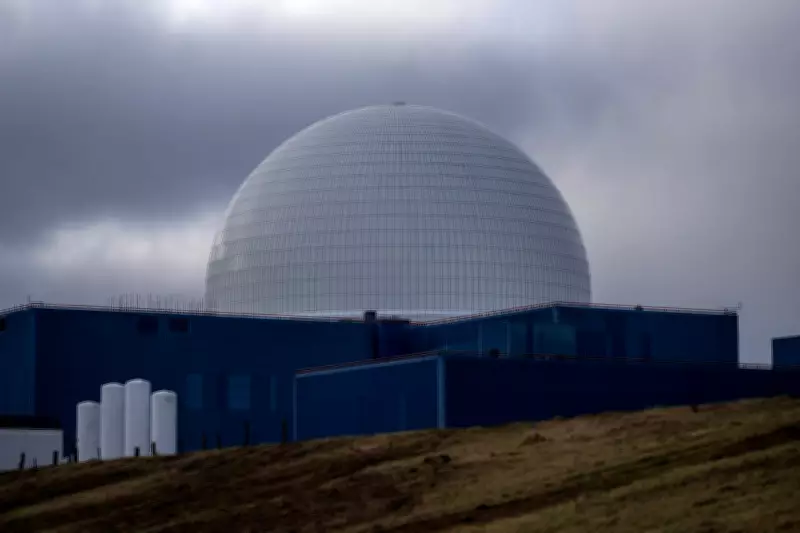
The deeper issue lies in the 2022 Strategy's boosterish targets without a concrete implementation plan. Fortunately, practical solutions exist today. First, radical supply-side reform is needed to make nuclear energy more accessible and affordable. Nuclear power cuts the Gordian knot by reducing reliance on imported fossil fuels and Chinese technology, offering insulation from price shocks, zero carbon emissions, and fewer hidden costs due to its consistent output regardless of weather.
Going Nuclear: A Cost-Effective Path Forward
The challenge is that Britain's current approach to nuclear construction is prohibitively expensive, but it doesn't have to be. Countries like Korea build nuclear plants six times cheaper, and the UK historically built them for a quarter of current costs. The Fingleton review, which the government has pledged to implement fully, provides a roadmap to reduce costs to competitive levels. Regulatory changes and legislation should be passed by year-end, akin to a vaccine taskforce for nuclear energy.

Second, market reform is essential to cut waste. While driving down renewable costs and expanding the grid, renewables should stand on their own merits. If data centers wish to invest in solar and batteries, they should be allowed, but the energy system must be guided by market prices rather than Whitehall planning. This principle also applies to streamlining grid queues.
Finally, cutting unnecessary taxes and removing levies can slash bills immediately. Carbon taxes on electricity, which helped phase out coal, now only increase power costs across the board and should be eliminated. Government subsidies to industry should be shifted to general taxation or scrapped entirely, rather than hidden on bills.
Conclusion: A Unified Strategy for Energy Independence
Together, these measures—nuclear expansion, market and planning reforms, and tax cuts—would reduce electricity costs in both the short and long term. This approach benefits industry and households alike while making the transition from imported fossil fuels in boilers and petrol cars more appealing for consumers. The core principle of the 2022 strategy, making it easier to build energy infrastructure in Britain, remains valid. The government now has a clear blueprint; it is time to act decisively to secure a stable and affordable energy future.