Middle East Conflict Sparks Widespread Price Increases in UK Markets
The ongoing conflict in the Middle East has severely disrupted global supply chains, leading to significant price rises across multiple sectors in the United Kingdom. From fuel pumps to airline tickets, consumers are facing escalating costs, with experts warning that the situation could deteriorate further if hostilities persist. This crisis has triggered accusations of price gouging and prompted government interventions to monitor speculative movements.
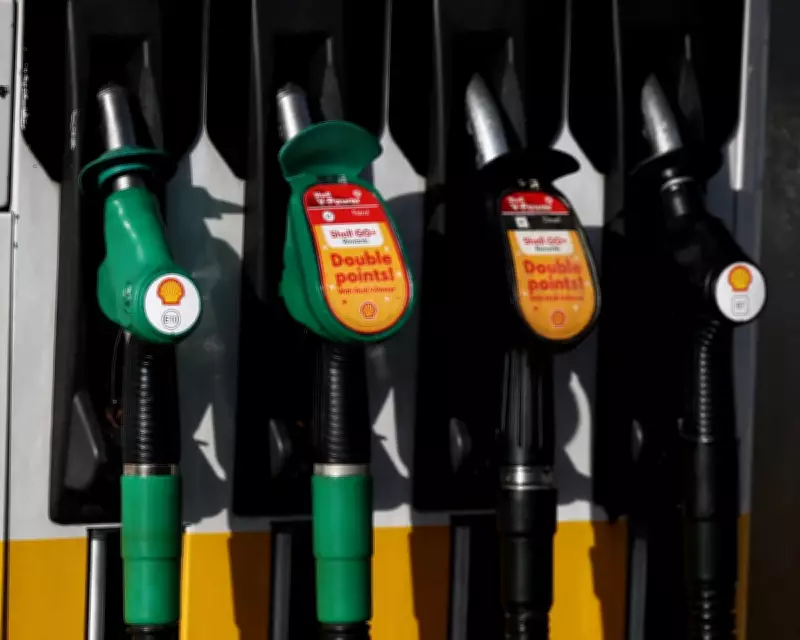
Petrol Prices on the Rise with Record Highs Feared
Fuel pump prices across the UK and Europe have experienced a slight increase since military actions began over the weekend, and much steeper rises are anticipated. Brent crude oil, a global benchmark, surged by 10% to $82 per barrel earlier this week before settling at $78. The AA has cautioned that record-breaking petrol prices could materialize within the next two weeks, heightening concerns for motorists and businesses alike.
In response, political leaders have voiced strong objections. The Irish taoiseach, Micheál Martin, emphasized that there is "no excuse" for fuel price hikes, noting Ireland's reliance on North Sea oil and condemning any potential price gouging. Similarly, the Spanish government has committed to monitoring petrol prices closely to prevent speculative activities that could exacerbate the situation.

Heating Oil Costs Skyrocket in Northern Ireland
In Northern Ireland, where nearly two-thirds of households depend on oil for heating, suppliers have raised prices by more than a third. Reports indicate that the average cost for 500 litres, previously £307, has now climbed to as high as £425 in some cases. This sharp increase places additional financial strain on residents during a critical period.
Airline Tickets Soar Amid Flight Cancellations
The closure of major Middle East hubs has resulted in thousands of flight cancellations, driving up ticket prices for routes between Europe and Asia. Stranded passengers attempting to switch carriers or find alternative routes are encountering exorbitant fares and limited availability. Commodities analyst Michelle Wiese Bockmann highlighted on social media that airlines are "gouging" desperate travelers, with quotes ranging from €2,400 to €3,600 for flights to London. She called for government intervention, describing the situation as "worse than the pandemic."
Private jet operators have escalated prices even more dramatically. For instance, one operator charged £20,000 per seat for a flight from Oman to Milan, while a charter from Oman to Paris was listed at €215,000 for a 13-seater aircraft—nearly double the standard rates.
Grocery Bills Face Impending Pressure
While supermarket bills have not yet increased, a knock-on effect is expected due to the closure of the Strait of Hormuz. This disruption halts approximately one-fifth of global oil and gas supplies and one-third of fertiliser shipments, potentially leading to higher costs for consumers. Grain prices are already rising, and products like Asian shrimp, dried fruit, and nuts may require longer, more expensive routes to Europe, according to commodity reporting agency Expana. Disruptions to Iran's exports of pistachios, walnuts, almonds, saffron, and dates could further drive up prices.
However, there may be a silver lining for European consumers. If Brazil redirects its beef and poultry supplies from the Middle East to Europe, it could result in lower prices for these items, as suggested by the Association of Independent Meat Suppliers.
Maritime Insurance Rates Set to Climb
The conflict is also impacting maritime insurance, with leading insurers cancelling war risk cover for vessels in the Gulf. While many are expected to reinstate coverage under new terms, rates could increase by 50% to 100%, or even more. Marcus Baker, global head of marine at Marsh, noted that insurance costs might rise from 0.25% to 0.5% or 1% of the insured asset's value, adding to the financial burdens on global trade.
As the Middle East crisis continues to unfold, its ripple effects are being felt across the UK economy, from energy and transport to food and insurance. With warnings of further price hikes, consumers and businesses must brace for ongoing challenges in the weeks ahead.