Middle East Conflict Offers Economic Lifeline to Russia's Flagging War Machine
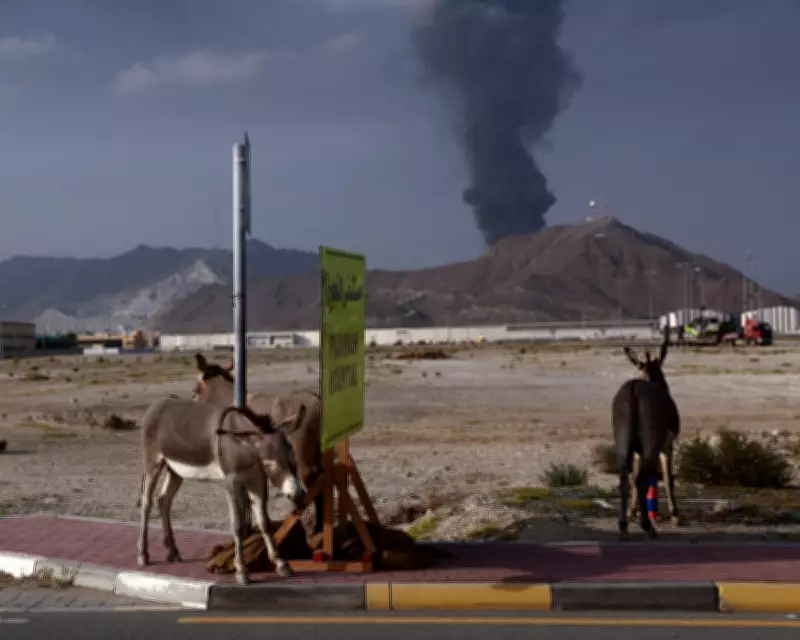
As smoke rises in the Fujairah oil industry zone following Iranian strikes, the widening Middle East conflict presents a potential economic windfall for Russia's war effort. With significant portions of global oil supplies disrupted, Russia could step in to meet increased demand from major economies like China and India, providing crucial financial support to its military campaign in Ukraine.
Global Oil Markets in Turmoil
Brent crude surged more than 7% on Tuesday to exceed $80 per barrel, adding to Monday's 7.2% jump after shipping halted in the Strait of Hormuz and Iranian missile strikes targeted regional infrastructure. This price surge represents the highest levels since July 2024, with analysts predicting further increases as the conflict escalates.
"When approximately one-fifth of global oil supply and roughly a quarter of seaborne trade becomes effectively locked up, that creates significant opportunities for Russia," explained Sergey Vakulenko, a senior fellow at Carnegie Russia Eurasia Centre and leading expert on Russia's energy sector.

Strategic Shifts in Major Economies
India and China, among the largest buyers of Middle Eastern crude, would face the most severe impacts from extended supply disruptions. Both nations could be compelled to increase purchases from Moscow despite previous efforts to diversify their energy sources.
While Beijing has systematically diversified oil imports across the Middle East, Africa, and Russia, sustained disruption to Gulf supplies, particularly from Iran, could accelerate a deeper shift toward Russian barrels. India faces a more delicate balancing act, having recently reduced Russian imports to their lowest level since 2022 under a trade agreement with the United States.
Should Middle Eastern supplies falter significantly, Indian officials are likely to seek greater flexibility from Washington, potentially reopening the door to increased Russian purchases.
Russia's Energy Sector Revival
For months, Moscow has been forced to offer steep oil discounts as global supply gluts and lingering sanctions risks made traders wary of Russian barrels. Storage capacity was tightening, with growing indications that Russia might eventually need to curb production as cargoes struggled to find buyers.
"Some of the Russian oil that's been sitting on tankers will definitely find buyers now," Vakulenko noted, highlighting how the crisis could alleviate Russia's energy sector challenges.
Beyond oil, Russia could also benefit from potential gas market disruptions. A halt to Qatari LNG exports would create global supply gaps that Russian producers might partially fill, though gas flows are less flexible than oil and harder to reroute quickly. Russian energy stocks have already reacted positively, with Gazprom and Novatek among the main gainers on the Moscow exchange.
Timing and Duration Critical Factors
The crisis arrives at a particularly challenging moment for Ukraine. Russia's oil and gas revenues, vital to financing its war effort, fell to a five-year low in 2025 as crude prices softened and exports declined under sanctions. This downturn had raised hopes in Kyiv that Moscow might struggle to sustain its military campaign at current intensity into 2026.
"If it's two weeks of disruption, it doesn't matter much. If it's longer, then things start to get interesting," Vakulenko observed, emphasizing that the duration of Middle Eastern supply disruptions will determine the scale of Russia's potential benefits.
Geopolitical Implications and European Divisions
The crisis risks reopening divisions within Europe regarding its approach toward Moscow. The European Union has been working to phase out Russian fossil fuels, a policy opposed by Moscow-friendly governments in Hungary and Slovakia and criticized by surging right-wing parties across the bloc.
Norway's energy minister, Terje Aasland, acknowledged that the Middle East escalation could revive debate within the EU about banning Russian gas imports. "The EU has been very clear about wanting to liberate themselves from Russian oil and gas, but recent events have been difficult," Aasland told a conference in Oslo.

Military and Diplomatic Consequences
Ukraine faces additional concerns about military supply chains. President Volodymyr Zelenskyy warned that Ukraine could encounter difficulties securing air defense systems, particularly US-made Patriot missiles, if Washington and its regional allies prioritize their own defense needs in the Middle East.
In Moscow, the prevailing mood appears cautiously optimistic. "The world is in turmoil, but this time we're not at the epicenter," one insider noted, describing the Kremlin's approach as "wait and see."
Russian officials have been careful not to criticize US actions too harshly, wary of antagonizing a US administration they see as potentially pivotal in pressuring Ukraine to accept peace terms favorable to Moscow. With each increase in oil prices, there is barely concealed satisfaction among Russia's elite about the potential financial windfall for their war economy.