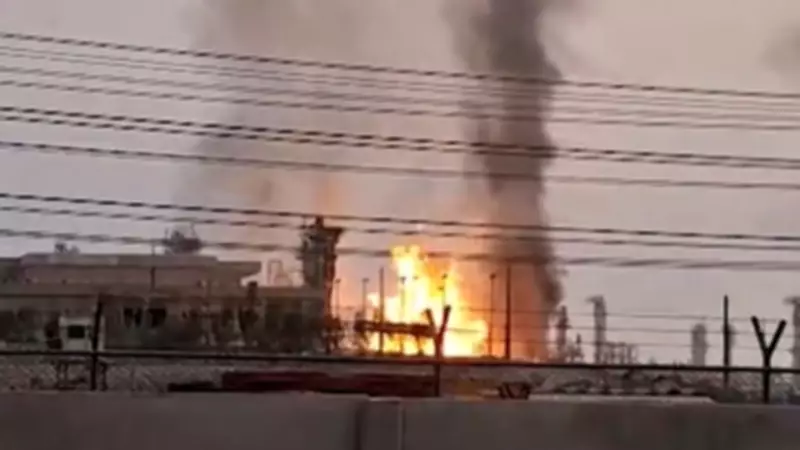
Israeli Drone Attacks Set World's Largest Gas Field Ablaze, Sparking Global Energy Crisis
In a dramatic escalation of the ongoing conflict, Israeli strikes have ignited parts of Iran's South Pars gas field, the largest known gas field globally, leading to immediate spikes in oil and natural gas prices worldwide. The attack, confirmed by Iranian state media, targeted gas tanks and refinery sections, marking the first reported assault on Iranian energy infrastructure since the war began.
Massive Resource and Strategic Importance
Covering approximately 9,700 square kilometers in the Persian Gulf, the South Pars field is a colossal energy asset, shared between Iran and Qatar. According to the Guinness Book of World Records, it holds an estimated 51 trillion cubic metres of gas. Iranian state media reports that this field supplies two-thirds or more of Iran's domestic gas, making it a critical component of the nation's energy and economic stability.
The Qatari side of the field was discovered first in 1971, but the Iranian portion has become a focal point in the current conflict. Middle East commentator Tara Kangarlou noted that Iranian output from South Pars is primarily used domestically, yet the repercussions of the attack extend far beyond Iran's borders.

Immediate Market Impact and Global Repercussions
Following news of the strikes, oil prices surged sharply, with Brent crude rising over 5% to exceed $110 per barrel. Natural gas costs also climbed, with UK wholesale prices up 6% on Wednesday and 60% for the month to date. Sky News' international correspondent Alex Rossi explained that the strikes aim to increase the cost for Iran to prosecute the war by targeting a key revenue stream.
However, the immediate burden falls on ordinary Iranian civilians, who face worsening living costs amid already high inflation exacerbated by wartime conditions. Additionally, Iranian gas flows to Iraq have halted, as confirmed by a senior Iraqi official to Reuters, disrupting regional energy supplies.
International Reactions and Escalating Tensions
Qatar, which shares the gas field, condemned the strikes as a "dangerous and irresponsible" escalation that jeopardizes global energy security. Iran has vowed retaliation, warning it will target energy installations in other Middle Eastern nations in response. This threat has prompted neighboring states to evacuate facilities, fearing similar attacks.
Rossi emphasized that the conflict is widening and intensifying, with real-world effects already evident in soaring energy prices. The attack on South Pars not only heightens military tensions but also poses significant risks to international energy markets, potentially leading to prolonged instability in the region.
Long-Term Implications and Economic Strain
The targeting of such a vital energy asset underscores the strategic dimensions of the Iran-Israel war. By crippling Iran's gas supply, the strikes could undermine its economic resilience and capacity to sustain military operations over time. Yet, in the short term, the global economy faces increased volatility as energy costs rise, affecting consumers and industries worldwide.
As the situation develops, the world watches closely, with fears that further attacks on energy infrastructure could trigger a broader crisis, impacting not only the Middle East but also global energy security and economic stability.