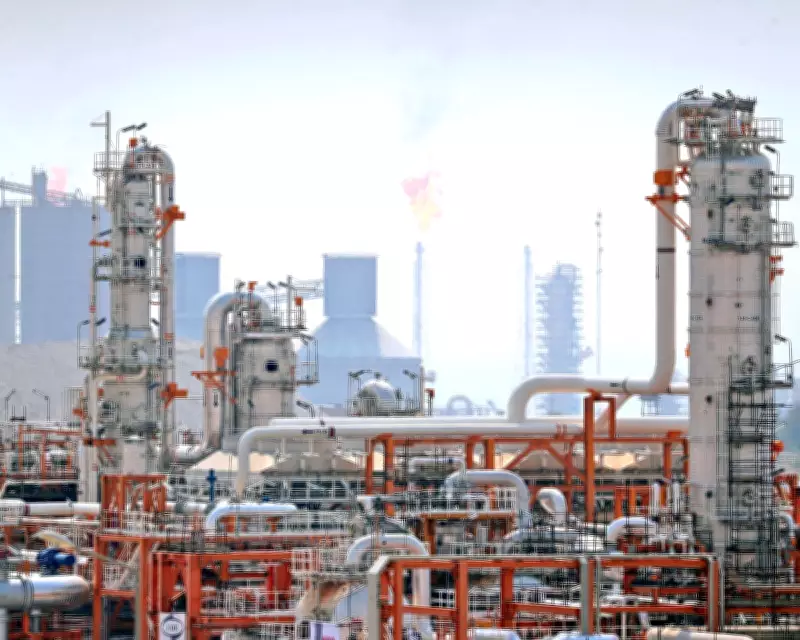
Israel's Attack on Iranian Gasfield Marks Major Escalation in Conflict
Israel launched a significant military strike against Iran's massive South Pars gasfield on Wednesday, dramatically escalating the ongoing conflict between the two nations. The attack targeted one of the world's largest natural gas reserves, which Iran shares with neighboring Qatar, and has triggered immediate retaliatory actions with far-reaching global consequences.
Iran Issues Stern Warning Following Infrastructure Attack
Iranian Foreign Minister Abbas Araghchi delivered a stark warning following the Israeli assault, stating that Iran would show "zero restraint" if its energy infrastructure faces further attacks. In a post on social media platform X, Araghchi emphasized that Iran's response to the initial strike represented only a fraction of its military capabilities and that restraint was exercised solely out of respect for requested de-escalation efforts.
The Iranian foreign minister's statement came as Qatar revealed that nearly one-fifth of its liquefied natural gas export capacity had been knocked out by Iranian retaliatory strikes targeting the Ras Laffan gas complex. This facility supplies approximately 20% of the world's liquefied natural gas, making the disruption particularly significant for global energy markets.

Global Markets React to Energy Infrastructure Attacks
The exchange of attacks between Israel and Iran has sent shockwaves through international financial markets, with stock indices tumbling globally and natural gas prices experiencing sharp increases. The conflict's impact on energy infrastructure has raised concerns about sustained disruption to global energy supplies, particularly as the Ras Laffan facility damage is expected to have a years-long recovery timeline.
Israel confirmed on Thursday that the Bazan Group refinery in Haifa had been hit and damaged in what it claims was an Iranian retaliatory strike. This development further complicates the regional conflict and highlights the vulnerability of critical energy infrastructure throughout the Middle East.
Broader Implications for Regional Stability
The escalation represents a dangerous new phase in the Israel-Iran conflict, with both nations demonstrating willingness to target economically vital infrastructure. The South Pars gasfield attack marks a significant departure from previous engagements, suggesting that future conflicts may increasingly focus on disrupting energy production and distribution capabilities.
International observers have expressed concern that the conflict could draw in additional regional actors, particularly given Qatar's involvement through the shared gasfield and subsequent retaliatory strikes. The situation remains fluid, with diplomatic efforts underway to prevent further escalation while global markets continue to react to the uncertainty surrounding energy supplies from the strategically vital Persian Gulf region.