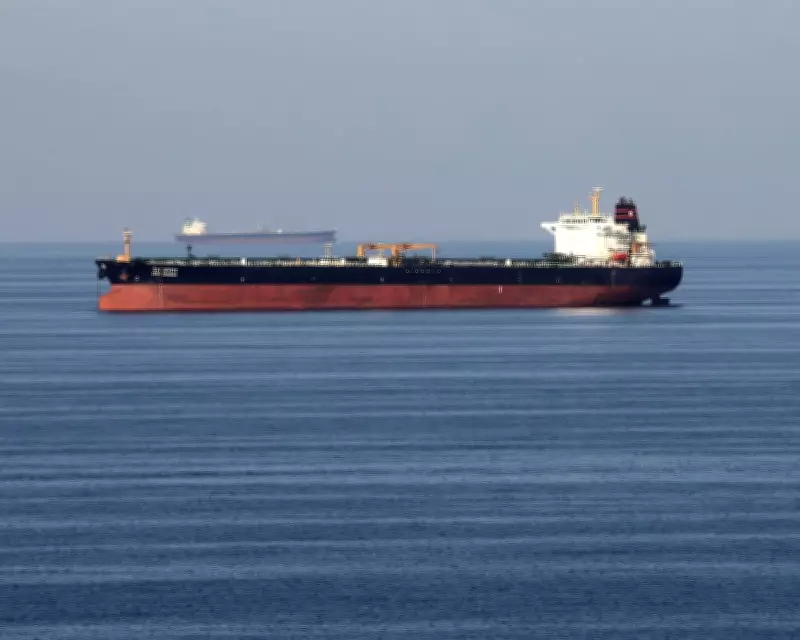
Iran's Closure of the Strait of Hormuz Disrupts Global Oil Flow
Iran has largely halted oil and gas exports through the strategically vital Strait of Hormuz over the past four days, employing a combination of drone strikes and intimidation tactics that have crippled commercial maritime traffic. This disruption persists despite intense US military attacks targeting Iran's naval capabilities, escalating tensions in the region.
Drone Attacks and Traffic Plummet
At least four tankers have been struck by drones, leading to a dramatic 80% drop in seaborne traffic on Sunday, as reported by Lloyd's List Intelligence. The situation worsened when key maritime insurers cancelled coverage the following day, further discouraging vessels from attempting the passage. In a stark warning, Brig Gen Ebrahim Jabbari, a senior adviser to Iran's revolution guards commander-in-chief, stated on Monday, "We will attack and set ablaze any ship attempting to cross."
Recent incidents include an unknown projectile exploding near a vessel 40 miles west of Sharjah in the UAE on March 1, according to the UK's Maritime Trading Organisation, though no serious casualties were reported. However, Iran's capacity to sustain such attacks may be diminishing due to US military actions.

US Military Campaign and Regional Impact
The US Central Command (Centcom) has engaged in a sustained campaign against Iran's small navy, claiming to have sunk or crippled all 11 ships operating in the Gulf of Oman east of the strait by Monday. This includes the Shahid Bagheri, a converted container ship designed for drone and helicopter operations, which Iranian officials said could remain at sea for up to 12 months with onboard facilities like a hospital.
Gen Dan Caine, head of the US military, detailed that the US attack began with Tomahawk cruise missiles targeting Iranian naval forces, accompanied by strikes across southern Iran. Satellite imagery confirmed heavy targeting of Iran's Bandar Abbas naval base. While Israel has focused on attacking regime sites in Tehran, the US effort has prioritized securing southern Iran to control maritime routes and airspace.
Economic Consequences and Global Oil Market
The closure of the Strait of Hormuz has severe economic repercussions, as about one-fifth of the world's crude oil conventionally passes through this chokepoint. Data from Kpler reveals regional disparities: countries in the Americas import 12.5% of their oil via the strait, while China relies on it for 45.7% of its imports. The disruption has caused oil and gas prices to soar, with Brent crude surging 15% to $83 a barrel from Friday's levels.
Iran's strategy has evolved to include bombing infrastructure and ships at port, with satellite imagery showing damage to Saudi Arabia's Ras Tanura oil refinery, the country's largest, which shut down after drone interceptions. Qatar halted liquefied natural gas production due to military attacks, and a fire broke out in Fujairah, UAE, after a drone was intercepted in its key oil storage area.
Insurance and Future Risks
Many tankers laden with oil, natural gas, or other fossil fuel products are now declining to risk transit through the Gulf, though some reports suggest vessels may attempt to turn off tracking transponders and navigate at night, despite potential lack of insurance. In response, President Donald Trump is considering proposals for the US government to assist oil tankers in obtaining insurance to restore confidence, following a war initiated by the US and Israel.
The ongoing conflict highlights the fragility of global energy supply chains and the geopolitical stakes in the Middle East, with the Strait of Hormuz remaining a critical flashpoint for international trade and security.