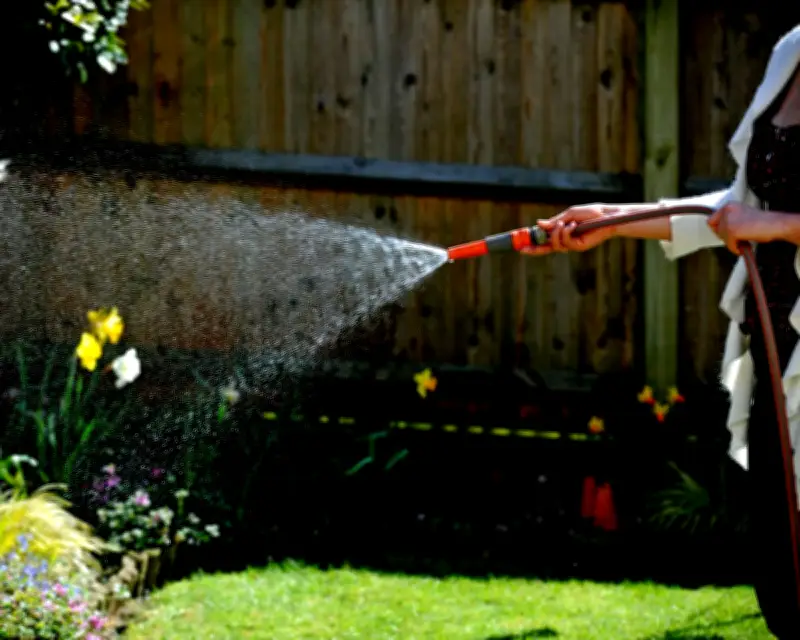
South East Water has announced a hosepipe ban affecting 2.3 million customers in Kent and Sussex, citing record demand during a heatwave that has pushed water supplies to critical levels. The ban, effective from midnight on Friday, prohibits the use of hosepipes for watering gardens, washing cars, and filling paddling pools.
Record demand triggers emergency measures
The company reported that demand for water reached an all-time high on Monday, with customers using 720 million litres in a single day, compared to the usual 550 million litres. This surge, combined with prolonged dry weather, has depleted reservoir levels to 60% of capacity, according to South East Water's chief executive, David Hinton.
“We have no choice but to introduce this temporary ban to ensure we can maintain supplies for essential uses such as drinking, cooking, and hygiene,” Hinton said in a statement. “We apologise for the inconvenience but urge customers to use water wisely.”

Exemptions and enforcement
The ban includes exemptions for commercial users, such as car washes and window cleaners, as well as for health and safety reasons. Vulnerable customers on the company's priority services register will also be exempt. Enforcement will be carried out by water company officials, with fines of up to £1,000 for those found breaching the ban.
Impact on households and businesses
Households in affected areas, including Tunbridge Wells, Maidstone, and Brighton, face restrictions on outdoor water use. Gardeners expressed frustration, with many saying they had already reduced water consumption. Local businesses, such as nurseries and garden centres, anticipate a drop in sales of plants and watering equipment.
Broader context and advice
The ban comes as the UK experiences its third heatwave of the summer, with temperatures exceeding 30°C in parts of southeast England. The Environment Agency has urged all water companies to prepare for potential drought conditions. South East Water advises customers to take shorter showers, fix leaks promptly, and use a watering can instead of a hose.
“We are working around the clock to maintain supplies,” Hinton added. “But we need everyone’s help to reduce demand.”