Government Considers Decoupling Electricity and Gas Prices to Reduce Bills
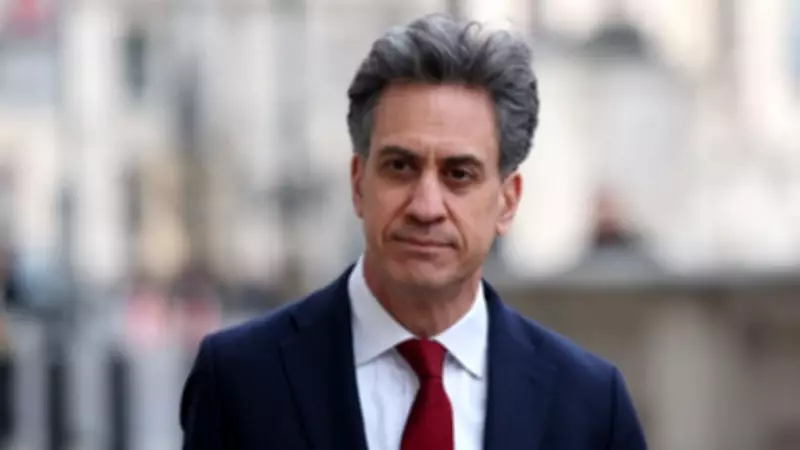
Energy Secretary Ed Miliband has informed Labour MPs that the government is committed to exploring the decoupling of electricity prices from gas in an effort to lower household energy bills. During a meeting of the Parliamentary Labour Party (PLP) on Monday night, Miliband described the move as "complicated but possible," according to sources present. This initiative responds to concerns that the push for cheaper renewable energy will not translate into lower bills as long as gas continues to set the wholesale price of electricity.
Proposals for Market Reform
The UK currently uses a marginal cost pricing model, where electricity is sold at the price of the most expensive energy source needed to meet demand, often gas. This means that even electricity generated from cheaper renewables is priced at the higher gas rate. Eco-tycoon Dale Vince has proposed a new bidding system in his "Breaking the Link" report, which argues that without reform, high gas prices will persist even if 95% of electricity comes from clean energy. Vince estimates that the current link added £43 billion to UK energy bills in 2023, equivalent to £367 per household.
Other experts have also put forward various proposals to break this link, with Vince suggesting a system where generators are paid the price they bid, rather than the highest market price, to reflect the true cost of renewables. Miliband did not guarantee success but emphasized that the government is actively seeking solutions to make energy more affordable and stable.

Political and Economic Context
The discussion comes as forecasters predict energy bills will hit a three-year high when the current price cap ends in June, exacerbated by the ongoing Iran war and its impact on global energy markets. Chancellor Rachel Reeves, when asked about decoupling in the Commons, made no commitment but highlighted that Labour's Planning and Infrastructure Act aims to facilitate renewable energy projects. She noted that gas now sets energy prices about a third less than four years ago due to reduced imports.
Within the Labour Party, there are some divisions on energy strategy. MP Henry Tufnell has called for an end to the ban on new North Sea oil and gas exploration, arguing it is necessary for energy security. However, at the PLP meeting, Tufnell was reportedly a lone voice, with most MPs supporting Miliband's approach. The Conservatives have also advocated for more North Sea drilling, claiming the government's net-zero emissions target by 2050 compromises energy security, but they recently lost an Opposition Day vote on ending the moratorium.
Support for Reform
Green Party leader Zack Polanski has called for decoupling electricity and gas prices in a recent speech on the economy, echoing Vince's arguments. Labour MP Simon Opher urged ministers to "grasp the chance," stating that cutting the link could save households hundreds of pounds annually and demonstrate the government's commitment to alleviating the cost of living crisis. Miliband emphasized that dependence on fossil fuel markets makes the UK "price takers, not price makers," and that achieving energy sovereignty requires homegrown, clean power.
Vince, a Labour donor, warned that without market reform, the UK will face more energy crises in the coming decade. He criticized past Conservative spending on bill suppression during crises and urged a focus on solving the underlying issue. Labour's goal is to make Britain a clean energy superpower by 2030, which they claim could cut household bills by £300 a year, but Vince's report stresses that this benefit may not materialize without changes to wholesale market rules.