Fuel Price Surge and Panic Buying: A Global Crisis Unfolds
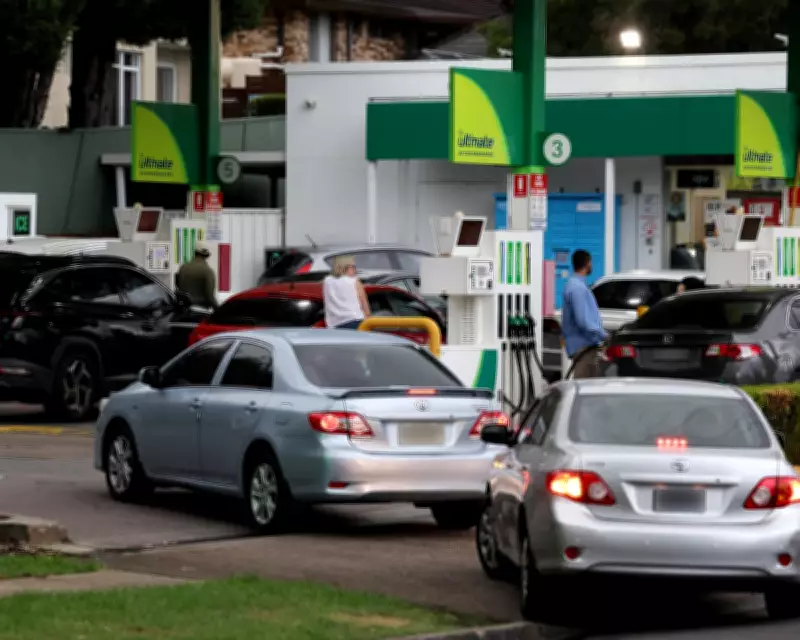
In Australia, fuel prices have skyrocketed by approximately 40% since the onset of the US-Israel war on Iran, triggering widespread panic buying across numerous countries. This alarming trend has led to reports of petrol stations running dry and long queues of vehicles waiting to refuel, echoing historical crises where scarcity fears drove consumers to stockpile essential goods.
The Psychology Behind Panic Buying
Panic buying is a well-documented phenomenon during times of crisis, from the oil shocks of the 1970s to the Covid-19 pandemic. According to experts, it stems from a scarcity mindset, where perceived low supply increases the psychological value of items. This heuristic is often exploited by advertisers to drive impulse purchases, such as through "only one left" messaging on e-commerce sites.
Professor Melissa Norberg of Macquarie University explains that when items like fuel become scarce, their objective value rises, further fueling demand. "If thinking that you might not have petrol puts you into distress, or you fear that it might not be there in the future and you don’t like to deal with uncertainty … that can drive people to stockpile," she says. Research indicates that panic buyers do not view themselves as selfish, but their actions can prioritize personal desires over collective needs.

Historical Context and Modern Triggers
The current crisis mirrors past events, such as the 1973 Yom Kippur War, which caused a quadrupling of global oil prices and led to fuel rationing in countries like Australia, the UK, the US, and France. During that time, consumers stockpiled petrol, canning lids, and gold in response to reported shortages. Similarly, the Covid-19 pandemic saw panic buying of toilet paper, hand sanitiser, and non-perishable foods, driven by perceived risk and social norms.
Dr. Karina Rune, a researcher at the University of the Sunshine Coast, identifies three key drivers of stockpiling behavior:
- Attitude: The belief that buying extra is a smart or sensible action.
- Perceived Risk: The fear that not stockpiling will put oneself and family at risk.
- Negative Social Norms: Reinforced by media reports showing others engaging in panic buying, creating a sense of collective behavior.
Professor Liam Smith of Monash University warns that focusing on the minority who panic buy can inadvertently encourage more stockpiling by emphasizing negative descriptive norms. "What you’re saying is: most people are stockpiling. Appeals like that are not the best form of communication," he notes.
Effective Strategies to Curb Panic Buying
To mitigate panic buying, experts recommend shifting the narrative away from shaming and blaming. Instead, they advocate for messages that highlight collective responsibility and reassure the public. Dr. Rune suggests, "We want to reiterate that most people … are actually buying only what they need." By reminding individuals that excessive buying harms vulnerable populations, such as those in service industries like paramedics and fire trucks, communities can foster a sense of shared duty.
Professor Norberg advises consumers to uphold values of generosity and equality, even in times of distress. "Don’t just act because you feel anxious," she counsels. Drawing parallels to the pandemic, she notes that while restrictions were challenging, society learned to cope through collective action and adaptation.
As the global oil supply faces disruption due to geopolitical tensions, understanding the psychological and circumstantial factors behind panic buying is crucial. By promoting accurate information and emphasizing community resilience, we can work towards stabilizing markets and preventing self-fulfilling shortages.