The government's leading cost of living adviser has issued a stark warning, urging ministers to implement a temporary cap on profits for energy and petrol companies. This measure aims to prevent excessive profiteering as the Middle East conflict escalates, disrupting global oil supplies and driving up prices for consumers.
Call for Temporary Profit Restrictions
Richard Walker, a Labour peer, chair of Iceland supermarkets, and the prime minister's designated "cost of living champion," has formally requested the government to explore limiting how much businesses can benefit from surging energy prices. This request follows Iran's blockade of the Strait of Hormuz, a critical shipping route for Europe's oil and gas, and broader regional hostilities.
In a column published in the Sunday Times, Walker emphasized the distinction between legitimate profit and exploitative profiteering. "As executive chairman of a retailer, I have no problem with profit. It's what allows businesses to invest, employ people and pay tax," he wrote. "But I do have a big problem with profiteering, especially when families are under real pressure."

Background of the Crisis
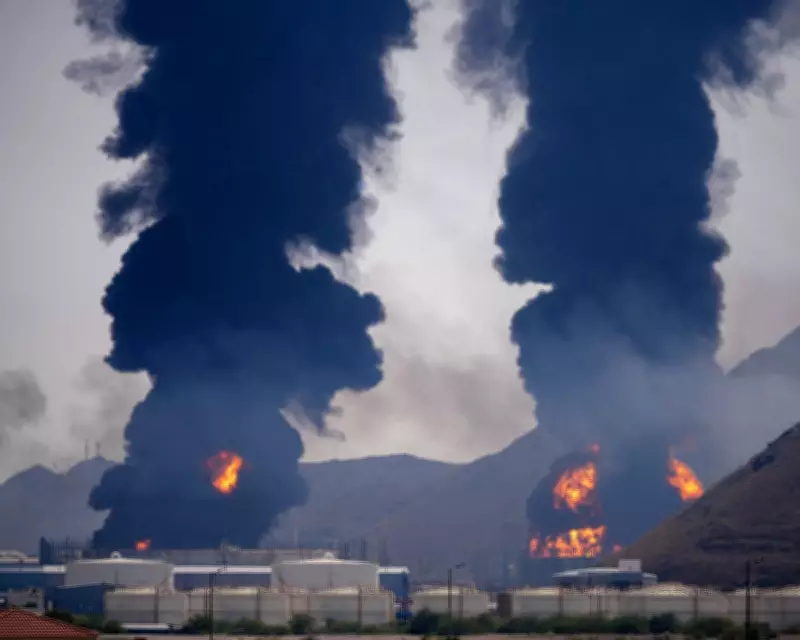
The call for action comes in the wake of a significant geopolitical event: a fire at an oil facility in the United Arab Emirates, ignited by an Iranian missile strike. This incident has exacerbated tensions, leading to sharp increases in oil and gas prices globally. The situation intensified after the US and Israel launched airstrikes against Iran on February 28, resulting in the death of Iran's supreme leader, Ali Khamenei.
Previously, there were indications that Chancellor Rachel Reeves might ease the UK's existing windfall tax, known as the energy profits levy. However, the recent attacks and subsequent market volatility have shifted the focus toward protective measures for consumers.
Industry Perspectives on Price Impacts
Chris O'Shea, chief executive of Centrica, the parent company of British Gas, provided insights into the potential economic fallout. He suggested that if the Middle East conflict persists, an increase in energy prices might be "inescapable." However, he predicted that petrol prices would bear the brunt of the impact more than household energy bills.
"The world uses about 100 million barrels of oil a day. We've lost about 20% of that through the Strait of Hormuz," O'Shea explained during an appearance on the BBC's Sunday with Laura Kuenssberg programme. "The loss of gas through the Strait of Hormuz being closed is about three or 4% of global gas. So the impact on gas, and therefore on electricity bills, should be lower than the impact on oil."
O'Shea advocated for targeted government support to assist consumers with rising costs, rather than blanket measures. "I do think targeted help is far better than blanket help," he stated, noting that Centrica has engaged in discussions with government officials on this issue.
Broader Implications for the UK
The escalating conflict in the Middle East poses significant challenges for the UK's economy and household budgets. With oil and gas prices climbing sharply, there is growing concern about profiteering by energy firms at the expense of struggling families. Walker's proposal for a temporary profit cap highlights the urgency of addressing these economic pressures.
As the situation develops, the government faces mounting pressure to balance market stability with consumer protection. The outcome of these deliberations could have lasting effects on energy policy and the cost of living crisis in the United Kingdom.