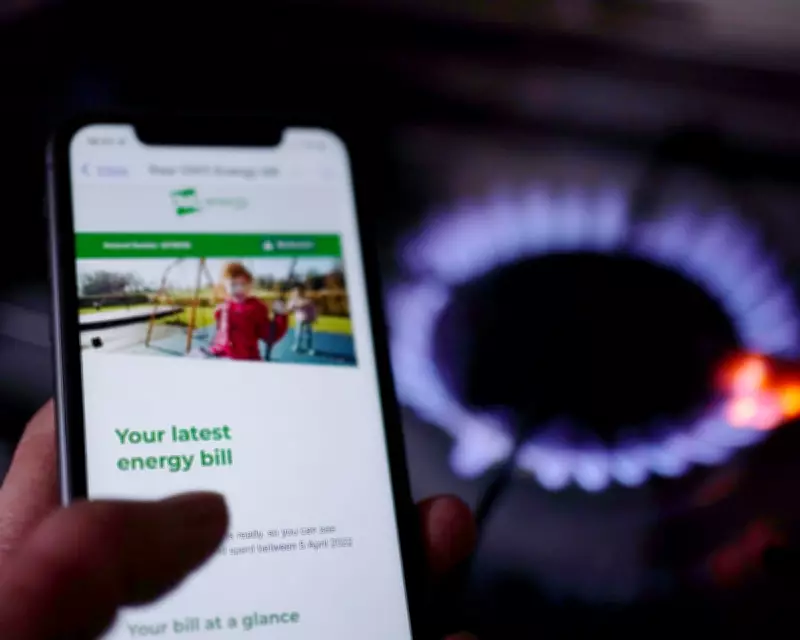
Households across Great Britain are set to see a rise in their energy bills from July, following an increase in the energy price cap. The cap, which limits the amount suppliers can charge per unit of gas and electricity, is being raised in response to higher wholesale costs, partly driven by geopolitical tensions including the war in Iran.
Price Cap Increase Details
Ofgem, the energy regulator, announced that the price cap for a typical dual-fuel household paying by direct debit will increase by approximately £120 per year, from the current level to around £1,780. This represents a rise of about 7% and will affect around 28 million households in England, Wales, and Scotland. The new cap will come into effect on July 1 and will remain in place until September.
Factors Behind the Rise
The increase is primarily attributed to higher wholesale gas prices, which have been volatile due to the ongoing conflict in Iran. The war has disrupted global energy supplies, pushing up costs for suppliers. Additionally, colder-than-expected weather in early 2026 led to higher demand for heating, further straining supply. Analysts warn that further increases may be on the horizon if the conflict continues.

Impact on Consumers
Consumer groups have expressed concern about the impact on households, many of which are already struggling with high living costs. Martin Lewis, founder of MoneySavingExpert, said: 'This is another blow for families who are already facing high food and fuel prices. While the increase is not as large as some previous jumps, it will still add pressure to household budgets.'
- Typical annual bill for direct debit customers: £1,780
- Prepayment meter customers will see a slightly higher increase, with typical bills rising to £1,810
- Customers on standard credit (paying on receipt of bill) will see typical bills rise to £1,920
Government Response
The government has said it is providing support through cost-of-living payments and the Energy Price Guarantee, which caps the unit price for all customers. However, critics argue that these measures are insufficient to offset the rising costs. The Labour Party has called for a windfall tax on energy companies to fund additional support for vulnerable households.
What Can Consumers Do?
Ofgem advises consumers to shop around for the best deals, although the fixed-rate tariffs currently available are often higher than the price cap. The regulator also recommends improving home energy efficiency, such as by installing insulation or using smart meters, to reduce consumption. Customers struggling to pay their bills should contact their supplier to discuss payment plans or apply for hardship funds.
The next price cap review will take place in August, with the new level announced in late September. If wholesale prices remain high, further increases could be expected for the winter period.