Cuba's Power Grid Collapses for Third Time in March
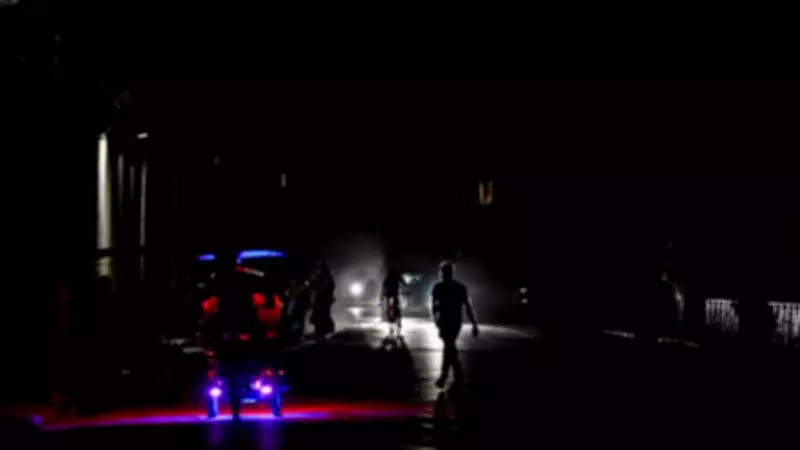
Cuba has been plunged into complete darkness following the third total power grid collapse this month, according to official reports from the Cuban Electric Union. The nationwide blackout occurred on Saturday, leaving the entire island without electricity and highlighting the severe energy crisis facing the communist nation.
Infrastructure Failure at Nuevitas Plant
The Cuban Electric Union, which operates under the Ministry of Energy and Mines, initially announced the total blackout without providing specific causes. However, officials later revealed that the outage originated from an unexpected failure of a generating unit at the Nuevitas thermoelectric plant in Camaguey province. This marks the second such complete blackout within a single week and the third occurrence during March alone.
By Sunday morning, state utility Union Electrica reported on social media that microsystems had become operational across all territories, though the broader grid remained compromised. The repeated collapses demonstrate the fragility of Cuba's aging energy infrastructure, which has suffered from decades of underinvestment and maintenance challenges.

Dual Crises: Embargo and Decaying Systems
The power grid failures occur as Cuba contends with two simultaneous crises: a strict US-imposed oil blockade and critically decaying infrastructure. Regional and national power outages have become increasingly common over the past two years, with breakdowns in aging equipment contributing significantly to the instability.
Cuban President Miguel Diaz-Canel revealed last week that the island has not received oil from foreign suppliers for three months, exacerbating the energy shortage. This supply disruption followed the capture of Venezuelan President Nicolas Maduro and his wife by US military forces in early January, which halted Cuba's critical petroleum shipments from South America.
The United States has maintained a comprehensive trade embargo against Cuba since 1962, following the failed CIA-sponsored Bay of Pigs invasion. Former President Donald Trump extended this blockade through an executive order imposing trade tariffs on countries exporting oil to Havana last month.
International Condemnation and Domestic Unrest
The UN Office of the High Commissioner for Human Rights has condemned the US actions, with experts accusing the United States of serious violations of international law and creating grave threats to democratic international order. These economic pressures have intensified Cuba's energy crisis, as the country produces barely forty percent of the fuel required to power its economy.
Domestic tensions have escalated alongside the energy crisis. On March 15th, Donald Trump warned that the United States could take whatever actions necessary regarding Cuba following his Iran conflict. This statement came just one day after rare anti-government riots erupted on the island.
Social media videos captured protesters throwing rocks through building windows while shouting demands for liberty, reflecting growing public frustration with the ongoing power shortages and economic hardships. The combination of infrastructure failures, international embargoes, and domestic unrest creates a perfect storm of challenges for Cuban authorities attempting to maintain stability and basic services.