Cornwall's Connectivity Crisis: Storm Goretti Exposes Infrastructure Gaps
In the aftermath of Storm Goretti, which battered Cornwall earlier this month, residents in remote settlements are grappling with a prolonged loss of essential services, sparking a fierce debate over the county's resilience and infrastructure funding. The storm, which brought down thousands of power, phone, and broadband lines, has left communities feeling isolated and neglected, with some areas still without reliable communication links two weeks on.
Remote Communities Left in the Dark
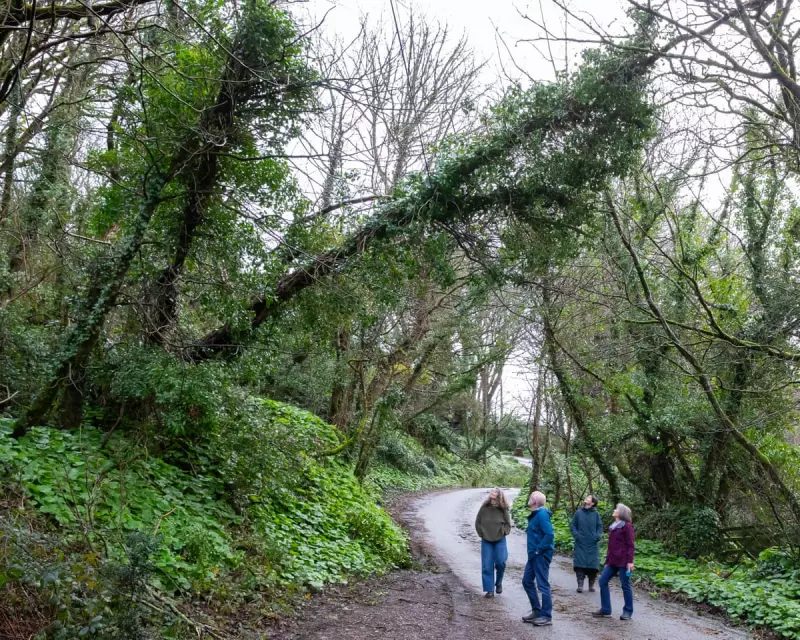
Accessed by a steep, winding lane, the tiny hamlet of Cucurrian in far-west Cornwall epitomises the challenges faced by rural areas. Mark Pugh, an audiobook producer, expressed frustration at the ongoing disruptions, stating, "I think people feel let down, angry, failed. This storm has shown that Cornwall isn't resilient enough. A lot is promised, but not enough is delivered." Pugh has resorted to sitting in his car in laybys to find a mobile signal, a common workaround for many affected residents.
Elaine Claxton, a 70-year-old actor from Cucurrian, highlighted the personal toll, pointing to broken wires and a giant fallen tree near her home. "It's like we're forgotten," she said, noting the lack of broadband, landline, and unreliable mobile signal that complicates staying in touch with frail family members. Her sister, Shelley Claxton, an animal trainer, added, "When you're as remote as we are, you have to be resilient, but this storm shows we need to do something different. Nature is whipping up more and more storms, and we need to adapt."
Broader Impact Across Cornwall
The disruption extends beyond isolated villages. Sam Kirby, a digital marketing consultant and coastguard rescue officer on the Lizard peninsula, described how the outage forced her to work as a "digital nomad," using supermarket car parks and libraries for wifi. "We're constantly told Cornwall has the best broadband and is a booming digital economy. It's hard to boom digitally when you can't even get a text message out," she remarked.
In Penzance, close to the town centre, Karen Bennett, 72, faced similar issues when a pine tree knocked out her broadband, hindering her role as chair of a twinning association. "It's frustrating. We still don't know when the broadband will be back," she said, underscoring the widespread nature of the problem.
Political and Cultural Implications
The outages have ignited political discussions, with Loveday Jenkin of Mebyon Kernow calling for more devolved resilience funding. "People want to treat Cornwall as a holiday playground. They need to recognise that there are people on the ground who have to manage it but don't have the money," she argued. Jenkin also warned that Cornwall could be a "canary in the coalmine" for climate change, predicting more frequent storms.
This comes amid significant cultural developments, such as the official recognition of the Cornish language, Kernewek, under European charter protections. However, the infrastructure failures have led many to question whether the rest of the UK prioritises Cornwall only as a tourist destination, overlooking the needs of its permanent residents.
Response from Openreach and Recovery Efforts
Openreach, responsible for maintaining the UK's largest broadband network, acknowledged the severity of the damage but rejected claims that the switch to fibre makes the network more vulnerable. A spokesperson stated, "Storm Goretti has caused the worst impact to our network in Cornwall in recent memory. We have teams working round the clock, but repairs are complex and time-consuming." They could not provide figures on how many remain without service.
On the Isles of Scilly, which experienced 99mph gusts, Alasdair Moore reported devastating effects, including fallen trees and damaged houses. "The scale of the clear-up is huge and will take years, but the community response has been magnificent," he said, highlighting the resilience of remote areas.
As Cornwall navigates this crisis, the storm has underscored urgent calls for improved infrastructure investment and greater local control to enhance resilience against future extreme weather events.