Australia's Fuel Crisis Deepens as Regional Stations Run Dry Amid Global Oil Shock
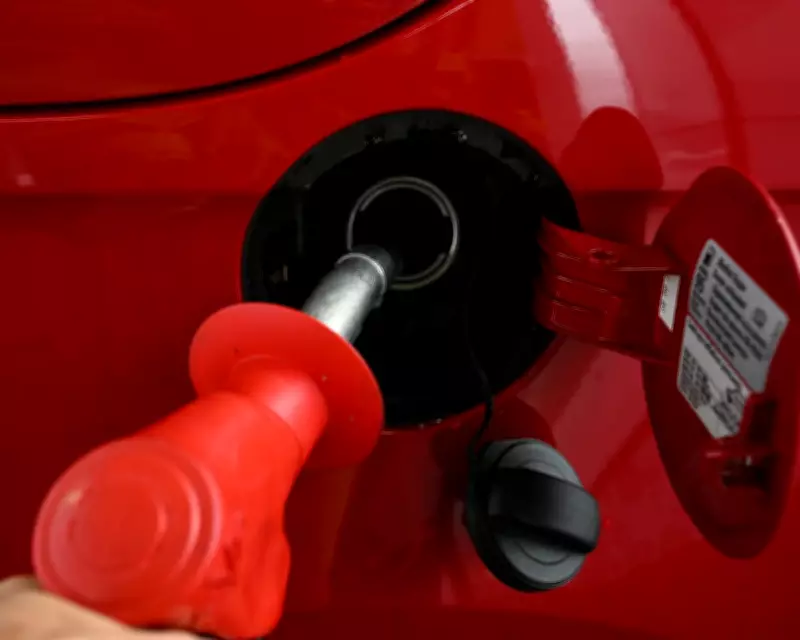
Dozens of service stations across Australia, especially in regional areas, have completely run out of petrol, as distributors struggle to manage a surge in panic-buying by consumers. This alarming situation stems from a severe disruption in global oil markets, triggered by the escalating US-Israel war on Iran, which has closed key shipping routes like the Strait of Hormuz.
Global Oil Market Turmoil Hits Home
The Strait of Hormuz, a critical passageway for approximately one-fifth of the world's fuel supply, has been shut down due to the conflict, causing widespread ripple effects. Asia, heavily reliant on imported energy through this strait, is facing significant challenges, and Australia has not been spared from the fallout. In response, Australian authorities have taken emergency measures, directing fuel companies to release nearly 20% of reserve petrol and diesel supplies. Additionally, standards have been relaxed to permit higher sulphur levels in fuel, aiming to alleviate the immediate shortage.
Economic Forecasts and Inflation Concerns
Treasurer Jim Chalmers has released concerning forecasts indicating that inflation could peak at 5% this year, with petrol price hikes expected to continue burdening motorists until 2029. This prolonged financial strain is forcing many Australians to reconsider their daily habits and expenditures. The rideshare company DiDi has already raised its prices to cover soaring petrol costs, becoming one of the first major firms, following airlines, to pass these increases directly onto consumers as a direct result of the conflict.

Impact on Daily Life and Consumer Behavior
As the fuel crisis intensifies, Australians are feeling the pinch in various aspects of their lives. Many are consciously cutting back on fuel use, which has led to changes such as:
- Cancelling holidays and reducing non-essential travel
- Increasing work-from-home arrangements to save on commuting costs
- Taking fewer journeys overall, impacting social and recreational activities
- Limiting energy use for other necessities like air conditioning or cooking
- Seeking innovative ways to conserve fuel and reduce expenses
This crisis highlights the broader economic vulnerabilities and the urgent need for adaptive strategies in the face of global instability.