
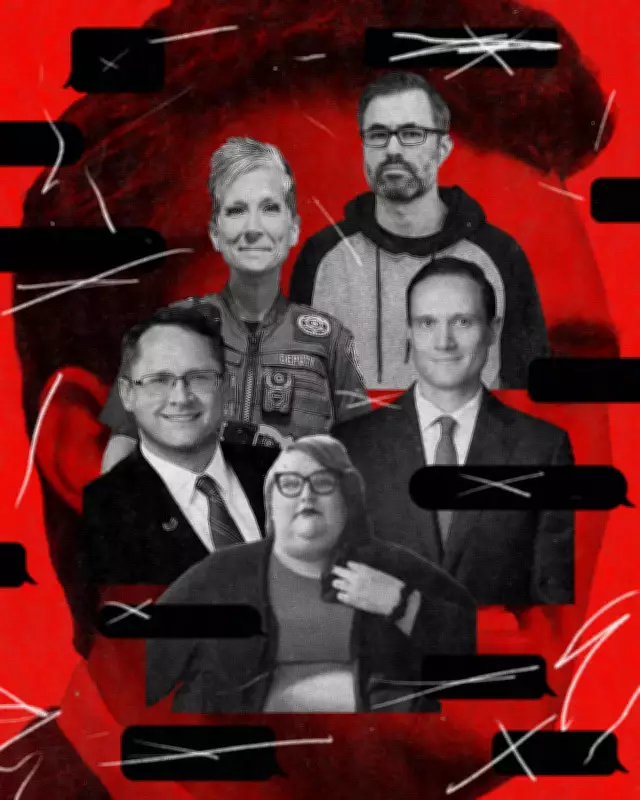
Workplace Fallout from Social Media Posts on Charlie Kirk's Death
In a significant development, multiple individuals across various industries have reportedly faced severe workplace consequences, including terminations and formal disciplinary measures, following their social media activity related to the death of political commentator Charlie Kirk. This incident highlights the growing intersection between personal online expression and professional repercussions in today's digital age.
Incidents of Job Terminations and Disciplinary Actions
According to recent reports, employees from sectors such as education, retail, and corporate services have been fired or punished by their employers for posting content about Kirk's death on platforms like X (formerly Twitter), Facebook, and Instagram. The posts in question ranged from celebratory remarks to critical commentary, with employers citing violations of company social media policies, concerns about maintaining a professional image, or potential harassment issues as grounds for their actions.
One notable case involved a teacher in a public school district who was dismissed after sharing a post that was deemed inappropriate by school administrators. In another instance, a retail employee faced suspension without pay for comments made on a personal account, despite arguing that the posts were made outside of work hours. These examples underscore the blurred lines between private and professional conduct in the era of social media.
Legal and Ethical Considerations
The situation raises complex legal and ethical questions regarding free speech, employment rights, and corporate oversight of employee behavior. While employers generally have the authority to enforce social media policies that protect their business interests, critics argue that punishing employees for political expression—especially on personal accounts—may infringe on First Amendment protections in some contexts, depending on jurisdiction and employment status (e.g., public vs. private sector).
Legal experts note that such cases often hinge on factors like whether the posts were made during work hours, if they involved threats or harassment, and the specific terms of employment contracts. Additionally, the political nature of Kirk's commentary as a conservative figure adds a layer of sensitivity, with some alleging that disciplinary actions may reflect bias or attempts to suppress dissenting viewpoints.
Broader Implications for Workplace Culture
This trend of workplace discipline for social media activity is not isolated to the Kirk incident but part of a larger pattern where employers increasingly monitor and regulate online behavior. Companies are implementing stricter social media guidelines to mitigate risks related to reputation damage, legal liability, and internal conflicts. However, this has sparked debates about employee autonomy, privacy, and the potential chilling effect on free expression.
- Increased scrutiny of personal social media accounts by employers
- Rise in social media policies that extend beyond work-related content
- Growing legal challenges from employees contesting disciplinary actions
- Impact on workplace morale and trust between staff and management
As digital communication continues to evolve, these incidents serve as a cautionary tale for both employees and employers. They emphasize the need for clear, fair policies that balance organizational interests with individual rights, while also encouraging responsible online engagement. The fallout from posts about Charlie Kirk's death may prompt further discussions on reforming workplace standards in the social media era.




