
Employment Rights Act Unleashes Union Powers, Businesses Brace for Impact
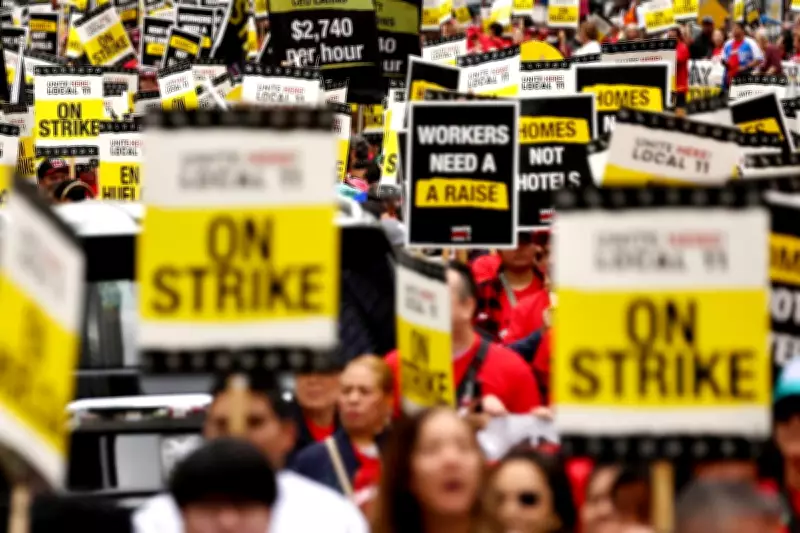
Wednesday 18 February 2026 marked a significant shift in UK labor relations as the first wave of reforms under the Employment Rights Act came into force. This legislation grants employees substantial new trade union powers while introducing protections that have drawn both praise from union leaders and concern from business executives.
New Union Protections and Parental Leave Rights
The initial measures include the repeal of most provisions from the Trade Union Act 2016 and establish automatic unfair dismissal protections for employees participating in protected industrial action. Notably, the 12-week qualifying period for dismissal related to strikes has been eliminated, meaning employers must now provide clear evidence that any dismissal of a striking worker is completely unrelated to their industrial action.
Miriam Bruce, partner at Mayer Brown, emphasized the significance of these changes: "The removal of the 12-week qualifying period for dismissal related to industrial action is also a game-changer. It will now be automatically unfair to dismiss an employee for participating in protected industrial action, regardless of timing."
Bruce added: "This puts even greater onus on employers to have clear evidence that the dismissal of a striking employee is entirely unconnected to industrial action. Resolving disputes through dialogue rather than confrontation has never been more important."
Additional reforms that took effect include 'day one' paternity leave eligibility and provisions allowing employees to give notice for unpaid parental leave. These changes represent the most significant overhaul of employment rights in nearly a decade.
Upcoming Reforms and Business Concerns
The next phase of the controversial legislation, scheduled for implementation on 6 April, will introduce whistleblowing protections and remove existing limits on statutory sick pay. However, it's the changes coming in January 2027 that have business leaders particularly concerned.
Starting in January 2027, three major reforms will take effect:
- Reduction of the unfair dismissal qualifying period from two years to just six months
- Removal of the cap on compensatory awards for unfair dismissal
- Implementation of fire-and-rehire protections for employees
Currently, compensation for unfair dismissal is capped at £118,223 or one year's salary, whichever is lower. The Employment Rights Act will eliminate this cap entirely, potentially exposing employers to significantly higher costs.
Stefan Martin, partner at Hogan Lovells, explained the implications: "When this cap is removed, it could become quite a significant issue, especially for high earners, as it'll cost the employers even more."
Anticipated Job Losses and Economic Context
Legal experts have revealed that businesses are planning a "clean up" of redundancies by the end of this year in anticipation of the unfair dismissal reforms coming into force next January. This preemptive action reflects corporate concerns about the increased costs and legal exposure associated with the new employment protections.
These developments occur against a backdrop of a loosening labor market. According to Office for National Statistics data released on Tuesday, unemployment climbed to 5.2 percent between October and December, reaching its highest level since early 2021. This economic context adds complexity to the implementation of these sweeping employment reforms.
The Employment Rights Act represents a fundamental rebalancing of power between employers and employees in the UK workplace. While unions celebrate enhanced protections and rights, businesses are preparing for increased operational costs and legal complexities in the coming months and years.




