UK Inflation Holds Steady at 3% Amid Looming Iran War Price Shock
The UK inflation rate held firm at 3% in February, according to official figures released by the Office for National Statistics (ONS). This reading matched economists' expectations but remains significantly above the government's 2% target. However, this stability is now under threat from the escalating conflict in Iran, which has already begun to drive up global energy costs, potentially sparking a fresh wave of price increases across the economy.
Calm Before the Storm in Food and Energy Sectors
Grant Fitzner, the ONS chief economist, noted that the February data reflected a balance of opposing forces. "The largest upwards driver was the price of clothing, which rose this month but fell a year ago," he said. "This was offset by falls in petrol costs, with prices collected before the start of the conflict in the Middle East and subsequent rise in crude oil prices."
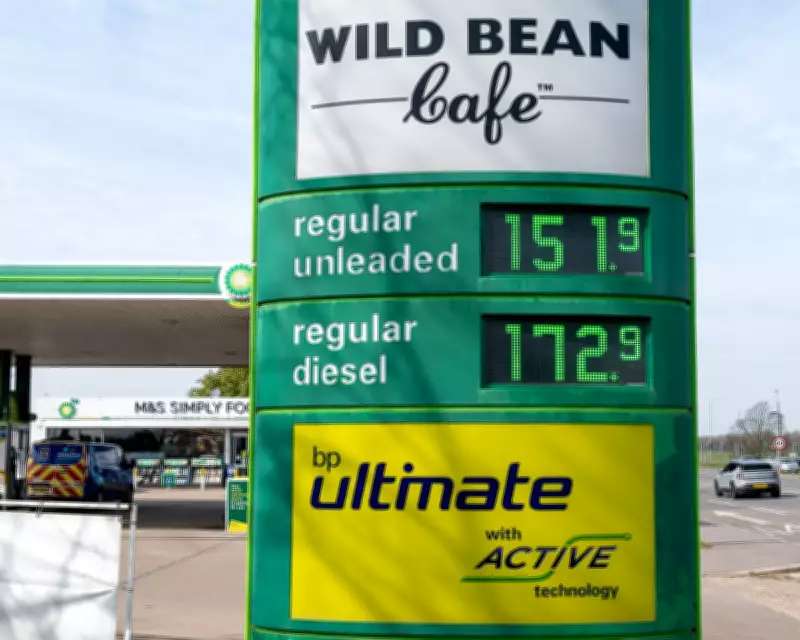
Since the outbreak of war, petrol prices have surged dramatically. The RAC reported that by the end of last week, a litre of unleaded fuel had increased by 12p, a jump of 9%. This spike follows the effective closure of the Strait of Hormuz, a critical global shipping route, which has sent oil and gas prices soaring worldwide.
Food inflation showed a slight moderation, falling from 3.6% in January to 3.3% in February—the lowest rate since March 2025. Declines in the prices of olive oil, flour, and pizza contributed to this dip. Yet, industry leaders are sounding the alarm. Karen Betts, chief executive of the Food and Drink Federation, warned: "While food inflation fell slightly in February 2026, I am concerned that this is the calm before the storm."
Bank of England's Shifting Outlook and Policy Concerns
The inflationary landscape has shifted radically since the onset of the Iran war. Just last month, the Bank of England projected that CPI inflation would fall to the 2% target in the second quarter of the year, potentially paving the way for further interest rate cuts. However, at its most recent monetary policy committee meeting, rates were left unchanged, and financial markets now anticipate the next move could be an increase.
Core inflation, which excludes volatile components like food and energy, edged higher to 3.2% in February, up from 3.1% in January. This rise may fuel concerns among hawkish Bank of England policymakers that price pressures could spread beyond sectors directly impacted by the Iran crisis into the broader economy. The Bank's next rate-setting meeting is scheduled for 30 April.
Government Response and Future Risks
Chancellor Rachel Reeves addressed the situation in Parliament, stating: "In an uncertain world we have the right economic plan … We're taking £150 off energy bills and providing targeted support for those facing higher heating oil costs." She added that the government is acting to protect consumers from unfair price rises, lower food prices at checkouts, and reduce bureaucratic hurdles.
Reeves also revealed she is reviewing options for targeted support to households that may face substantially higher utility bills in the coming months due to the conflict, now in its fourth week. The longer the war persists, the greater its impact on essential costs. Betts emphasized: "The longer the conflict in the Middle East goes on, the bigger its impact will be on food prices. With food and drink price inflation already running above historical averages, heightened energy, maritime fuel and fertiliser costs will put further pressure on prices."
Experts caution that rising fertiliser costs, resulting from supply disruptions in the Gulf, could lead to renewed increases in food prices in the near future. The ONS also noted declining prices for alcoholic drinks and tobacco, which fell 0.1% month-on-month in February, provided some downward pressure on the overall inflation figure.
As the UK navigates this period of economic uncertainty, the steady February inflation rate offers little reassurance. The dual threats of soaring energy costs and potential food price hikes loom large, challenging policymakers to stabilize the economy amidst global turmoil.