The UK government has acknowledged it may need to intervene to secure gas supplies, but its interim response to a warning about potential shortages lacks a clear timetable for action, according to a report by Nils Pratley in The Guardian.
Government's Half-Hearted Response to Gas Supply Risk
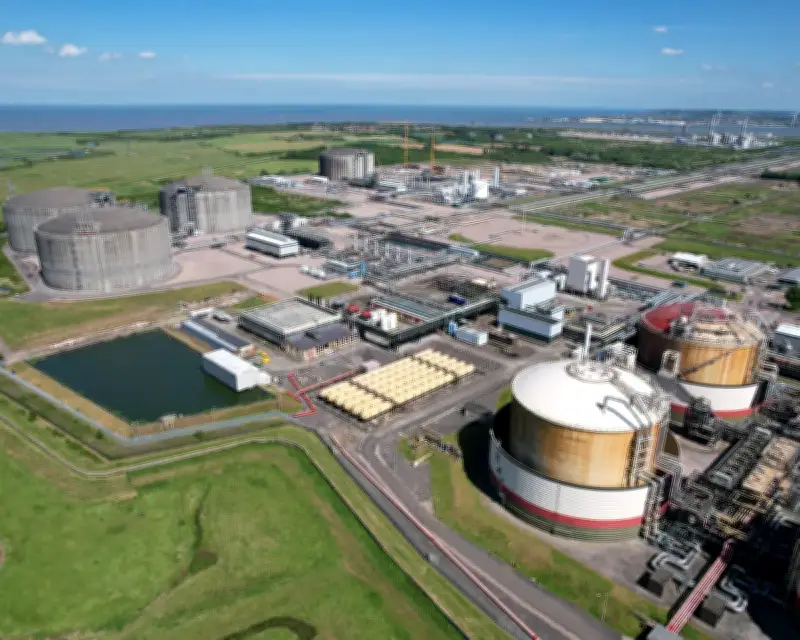
The energy system operator's November report warned of "an emerging risk" to gas supplies at the turn of the decade if critical infrastructure, such as one of the UK's three LNG import terminals, were to be offline during a cold snap. The government's formal response, released Tuesday, is an interim version, cloaked in the language of "more analysis needed." However, it signals a significant shift: the government thinks it will probably have to intervene to ensure sufficient gas capacity and infrastructure, possibly through contracts to underpin more storage or import terminals.
Energy minister Michael Shanks stated, "We have a responsibility to the millions of households that will be heated by gas for years ahead, the industries that rely on it for essential production and the power system in which gas continues to play a key role." Yet he did not set out a timetable for choosing what kit is needed and by when.
Declining North Sea Volumes and Storage Challenges
Britain still relies heavily on gas, with 24 million households connected to the gas grid, mostly for heating, and gas comprising about a third of the UK's overall energy needs last year. Although annual consumption is declining, peak winter demand remains high. The challenge is compounded by declining North Sea volumes (about 40% of supply), skimpy gas storage levels, and limited capacity for importing gas via tanker.
One potential solution is regenerating Centrica's Rough storage site off the coast of Yorkshire, a £2bn project that won't happen overnight. Other options, such as onshore or offshore storage or floating import terminals, also require time. If the 2030 risk is real, ministers need to act swiftly.
Near-Term Challenges and the Jackdaw Gasfield Decision
The report did not address this winter's challenges. Jon Butterworth, chief executive of National Gas, noted in February that "swift and decisive action is also required to address potential near-term challenges," adding that "work is already well under way." However, Centrica has not been injecting gas into Rough this year due to financial viability, meaning Britain will enter winter with even less storage. Continental European storage, which Britain taps via interconnectors, is projected to be lower than average, and wholesale gas prices are rising amid global competition for LNG cargoes.
Tuesday's report also indirectly supports approving the Jackdaw gasfield, which would account for about 6% of domestic North Sea gas volumes and could be operational by winter. It would be inconsistent to outline a supply crunch caused by import reliance and then disallow a field that reduces the problem.