The Treasury’s supermarket food price cap proposal has been met with strong criticism from industry leaders and analysts. Stuart Machin, chief executive of Marks & Spencer, called the idea “completely preposterous,” while City analyst Clive Black at Shore Capital described it as a “neo-Soviet policy idea.” However, many argue that the proposal is unlikely to be implemented, as it is not the first time a government has considered such measures under cost-of-living pressures. In 2023, former Prime Minister Rishi Sunak also flirted with the concept, but it never materialized.
Why Price Caps Are Problematic
Food inflation in the UK was 3% in April, and while it may rise due to higher energy, transport, and fertilizer costs, the country is not in a state of emergency. Artificially depressing prices for staples like milk, bread, and eggs could lead to supply shortages, as historical evidence suggests. Moreover, competition is already keeping prices low. Machin noted that M&S does not profit from milk or bread, and margins on eggs and sugar are minimal. The concept of loss leaders is well understood in retail.
Practical Challenges
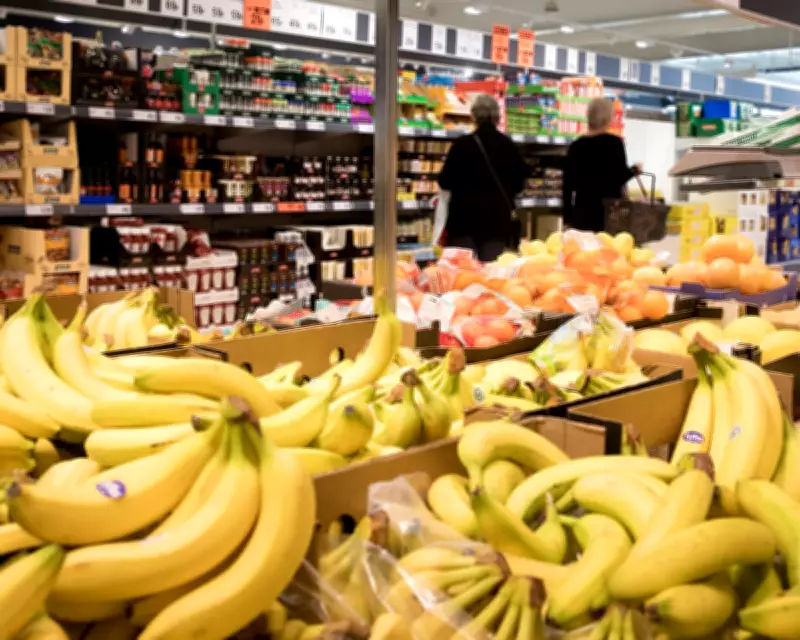
Implementing price caps would be fraught with difficulties. Since collusion between competitors is illegal, how would the chancellor enforce weekly price updates on items like bananas? The government’s role should be limited to ensuring competition works. The Competition and Markets Authority found in 2024 no evidence that weak competition drives grocery inflation. Discount retailers like Aldi and Lidl act as effective price police, with other supermarkets offering “Aldi price match” ranges.
UK food retailing is highly competitive compared to continental Europe. Tesco’s operating profit margin in the UK and Ireland was 4.7% last year, typical for a market leader. Other retailers have lower margins. The backlash against the Treasury’s proposal reflects frustration over government-inspired inflation sources, such as rising employers’ national insurance, business rates, energy policy costs, and bottle-return schemes.
A Better Approach
If ministers want to protect vulnerable groups during price increases, they should increase welfare payments rather than impose price controls. Price-controlled milk and potatoes for all, whether voluntary or mandatory, is an outdated idea that should be abandoned.