Poland is rapidly becoming a magnet for top hedge funds, drawing firms from London and other European financial centers with its combination of highly skilled talent, significantly lower operational costs, and a supportive regulatory environment. According to industry experts, the country is now a serious contender in the global hedge fund landscape.
Why Poland? The Key Drivers
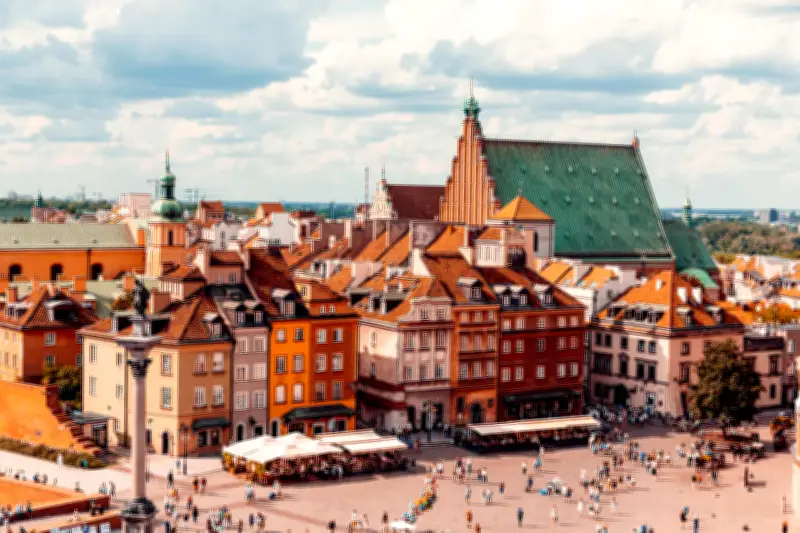
The primary allure of Poland lies in its cost efficiency and access to a deep pool of quantitative and analytical talent. Warsaw, the capital, has become a hub for technology and finance, with universities producing a steady stream of graduates in mathematics, computer science, and engineering. This talent pool is often available at a fraction of the cost compared to London or New York, making it an attractive proposition for hedge funds looking to optimize their operations.
Another factor is the country's stable political and economic environment, which has improved significantly since joining the European Union in 2004. Poland's regulatory framework is aligned with EU standards, providing a familiar and secure environment for international firms. Moreover, the Polish Financial Supervision Authority (KNF) has been proactive in engaging with the industry, creating a welcoming atmosphere for new entrants.
Real-World Examples and Market Impact
Several notable hedge funds have already established a presence in Poland. For instance, G3 Systems, a London-based hedge fund, opened an office in Warsaw in 2021, citing access to engineering talent and cost advantages. Similarly, other firms have set up research and development centers in the country, leveraging the local expertise in algorithmic trading and data analysis.
The trend is not just limited to foreign firms. Domestic Polish hedge funds are also growing, with the country's asset management industry expanding steadily. According to data from the Polish Chamber of Fund and Asset Management (IZFiA), assets under management in Polish investment funds reached over 300 billion PLN (approximately $75 billion) in 2023, a substantial increase from previous years.
Challenges and Considerations
Despite the advantages, there are challenges. The Polish market is relatively small compared to the UK or the US, and liquidity can be an issue for certain strategies. Additionally, the country's currency, the złoty, is not as widely traded as the euro or the dollar, which can increase transaction costs for international investors.
Furthermore, while the talent pool is deep, the competition for top-tier professionals is intensifying as more firms enter the market. This could lead to upward pressure on salaries, potentially eroding some of the cost advantages over time.
Future Outlook
Looking ahead, Poland's position in the global hedge fund industry is likely to strengthen. The country's government has expressed support for the financial sector, and there are ongoing efforts to improve infrastructure and attract more international investment. As the financial ecosystem matures, Poland is poised to become a key player in the European hedge fund landscape.
According to a report by the Polish Investment and Trade Agency (PAIH), the number of financial services companies in Poland has grown by 20% over the past five years, indicating a robust and expanding sector. With its unique blend of talent, cost efficiency, and strategic location, Poland is indeed luring top hedge funds and is set to become a permanent fixture on the global financial map.